
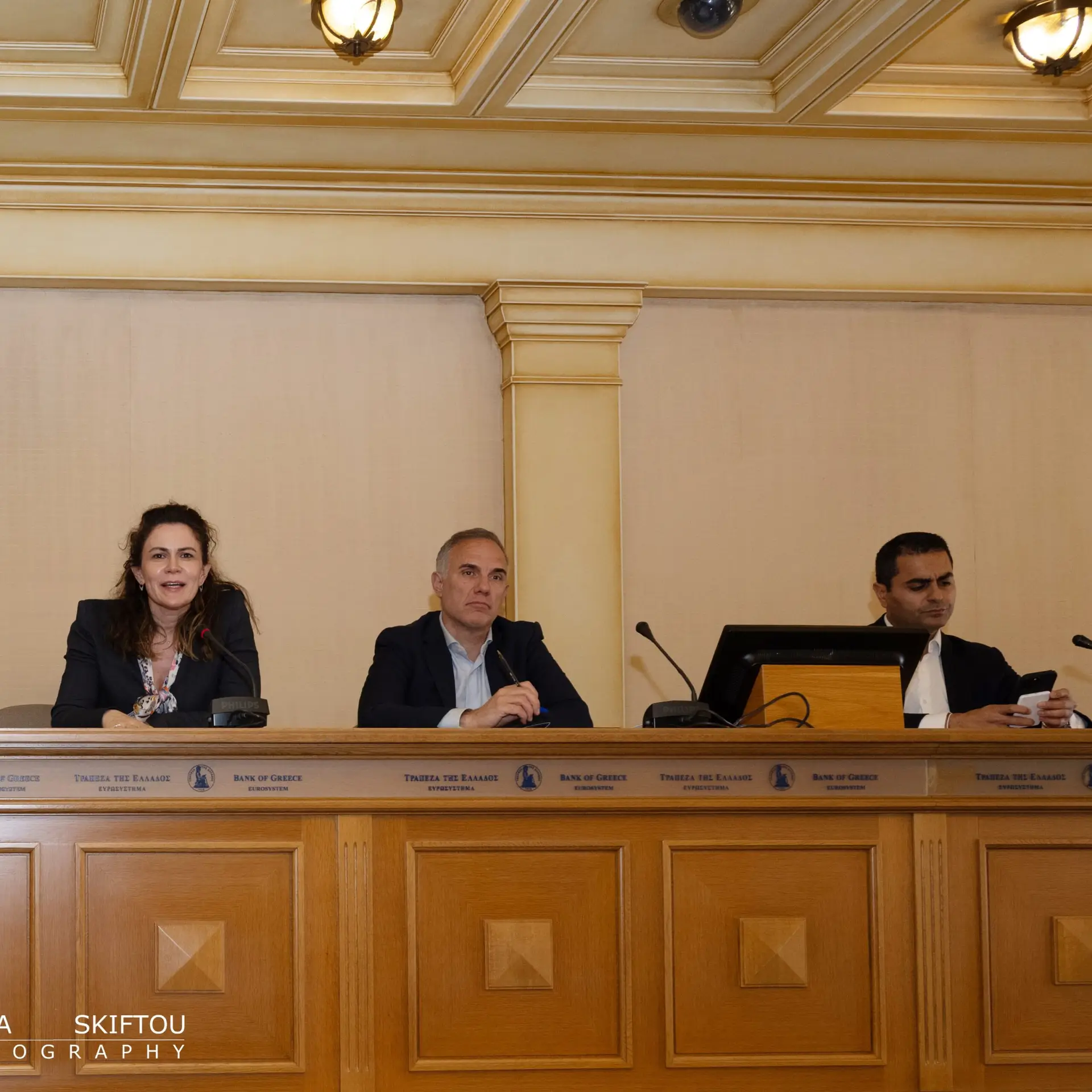
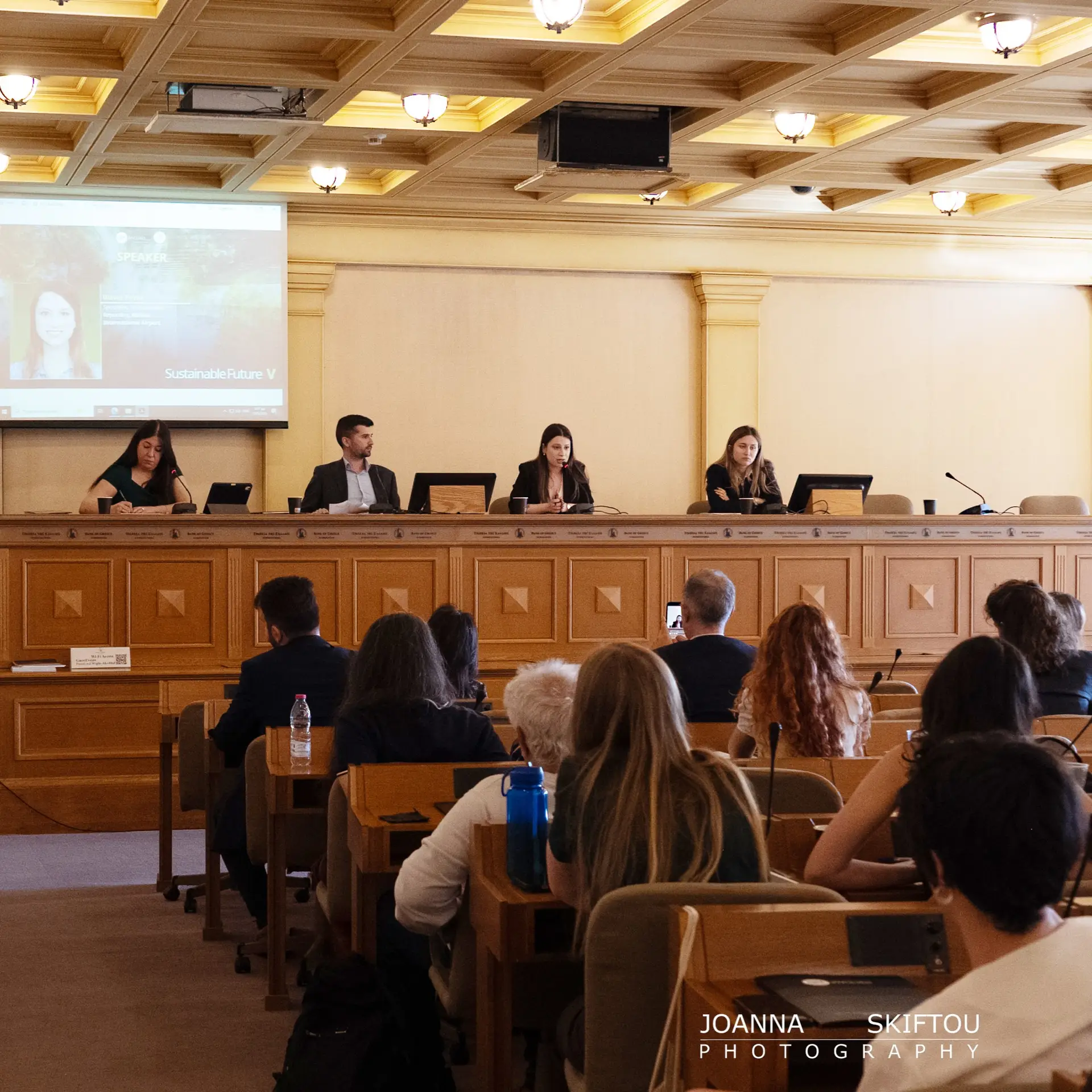
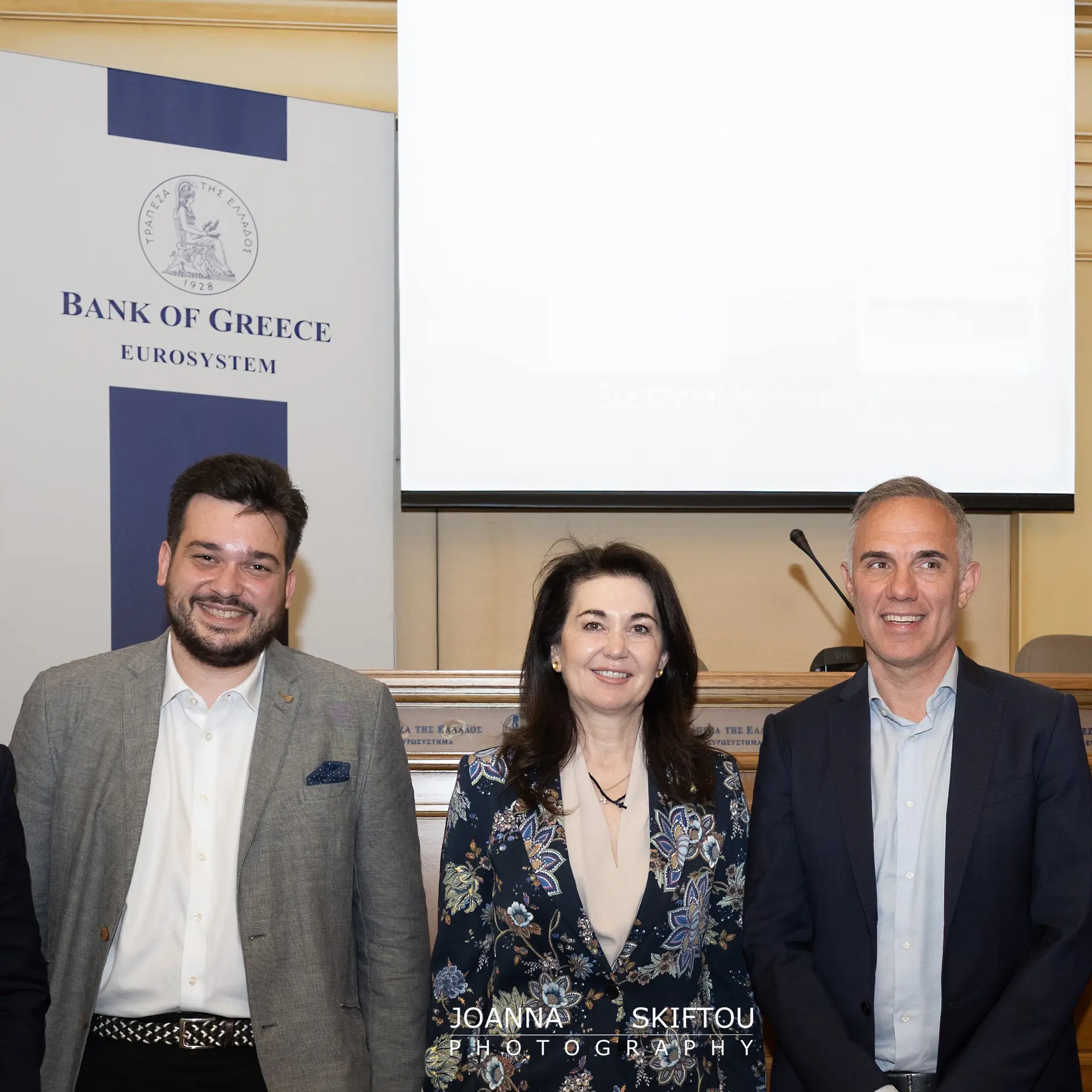
On 25 and 26 May 2026, the two-day educational conference “Sustainable Future V | Industry in Practice: How ESG Becomes Strategy, Risk & Opportunity” was held at the Bank of Greece.
Against a backdrop of geopolitical shifts, increasing supervisory requirements, technological acceleration, and the rapid development of Artificial Intelligence, the conference examined sustainability not as a theoretical concept, but as a tool for strategy and competitiveness.
The event would not be possible without the invaluable support of the Bank of Greece, Athens International Airport, Alpha Bank, Motor Oil, Piraeus, PPC Group, Grant Thornton, and the Center for Education and Lifelong Learning of the Athens University of Economics and Business.
We present a summary of the speeches made during the event. We were honored to have as speakers Mr. Gikas Hardouvelis, Chairman of the Board of Directors, National Bank of Greece; Mr. Vassilis Vasdekis, Rector, Athens University of Economics and Business; Mr. Christos Ntouhanis, Vice President, Council of State; Ms. Helena Athoussaki, Chief Sustainability Officer, Motor Oil Group; Ms. Katerina Paisiou, Sustainable Finance Specialist, Climate Change and Sustainability Centre, Bank of Greece; Mr. Francesco Cometa, Senior Officer, Review and Evaluation Process Department, European Investment Bank; Ms. Anna Vasila, Sustainability and Industry Affairs Manager, Athens International Airport; Mr. Achilleas Ioakimides, Chief Sustainability Officer, PPC Group; Mr. Orestis Omran, Partner, DLA Piper; Mr. Dimitrios Dimopoulos, Head of Sustainability Center, Piraeus; Mr. Dimitris Kazazoglou – Skouras, Group ESG Coordinator, Alpha Services & Holdings S.A, Ms. Dimitra Pallikari, Legal Head, Eurobank; Mr. Athanasios Sakkas, Director of Center for Education and Lifelong Learning & Assistant Professor, Department of Accounting and Finance Athens University of Economics and Business; Mr. Spyros Blavoukos, Professor, Department of International and European Economic Studies, Athens University of Economics and Business; Mr. Alexandros Floros, Sustainable Finance Officer, Euronext Athens; Ms. Iliana Petta, Specialist Sustainability Reporting, Athens International Airport, Ms. Athina Tsironi, Sustainability Specialist, Athens International Airport; Ms. Maria Anastasopoulou, Senior Associate, Get Involved, and Mr. Spyros Nousis, Director of Development and External Offers, SAFIA.
Mr. Christos Douhanis, opening the series of talks at Sustainable Future V, focused on the legal dimension of sustainable development, highlighting how it is reflected in the Greek Constitution. He noted that sustainability is not solely an economic or environmental issue, but is directly linked to social cohesion, social security, and legal certainty.
Particular emphasis was placed on the need for predictability, noting its benefits to public administration, citizens, and investors. As he pointed out, legal certainty protects the legitimate expectations of those who have invested or acted on the basis of a specific situation, without, however, negating the need to protect the environment.
At the same time, he observed that the relationship between the environment and economic development has changed significantly. What was initially a rather conflicting relationship has now evolved into a more integrated approach, where spatial planning and environmental considerations are incorporated from the earliest stages of decision-making.
Finally, Mr. Douhanis underlined that legal certainty remains a key objective. Public administration must respect case law, while investors must comply with procedural legality, so that sustainable development is grounded in clear rules and institutional consistency.
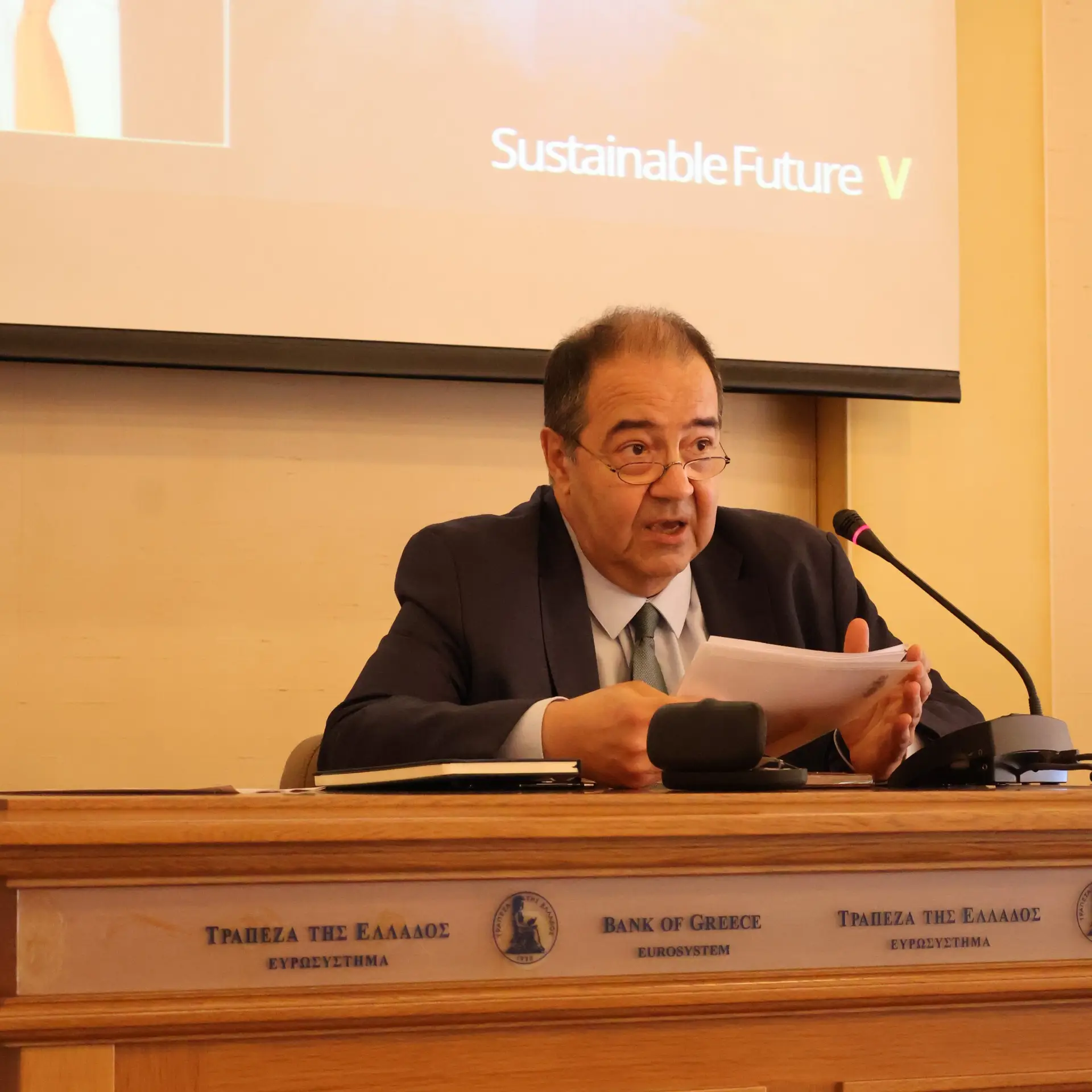
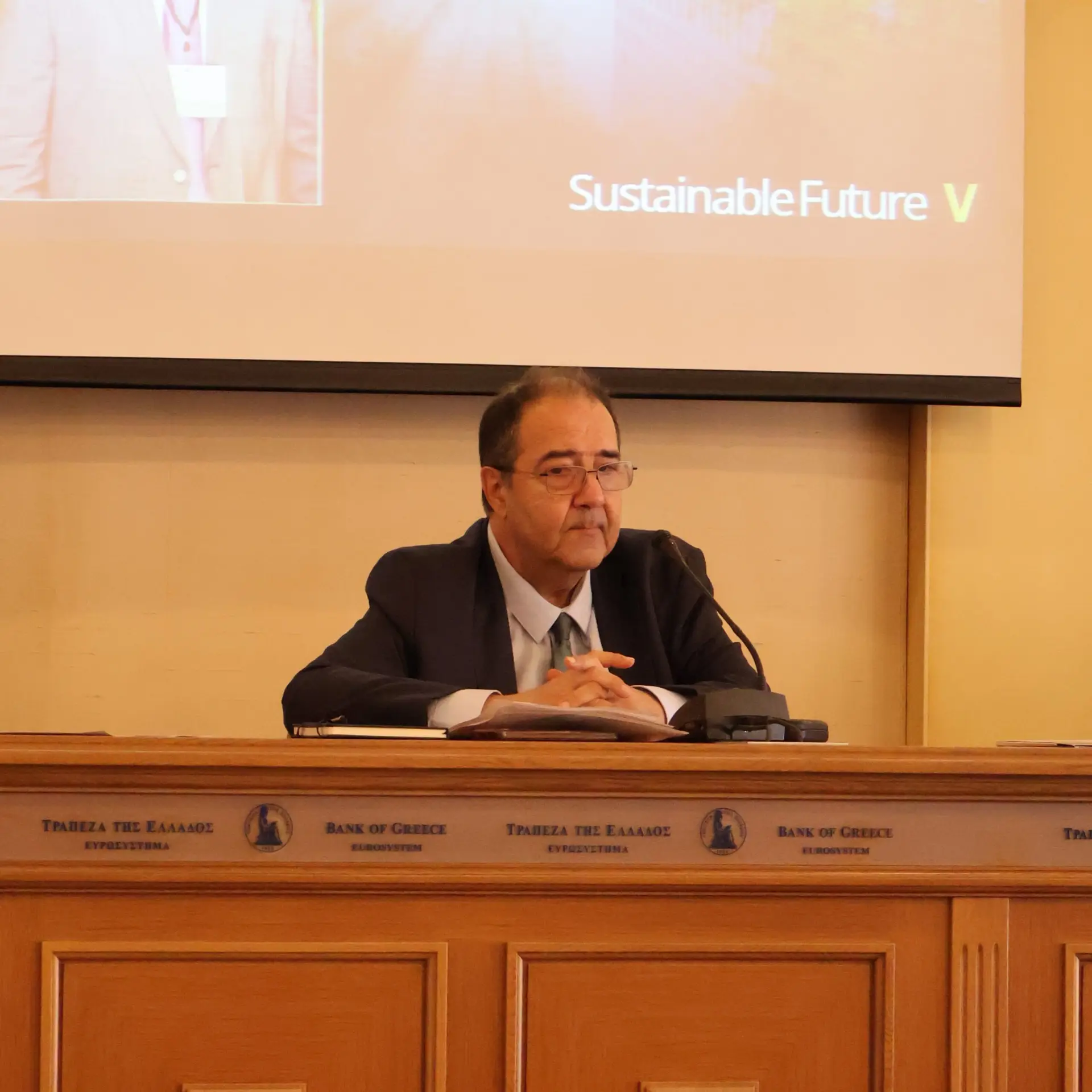
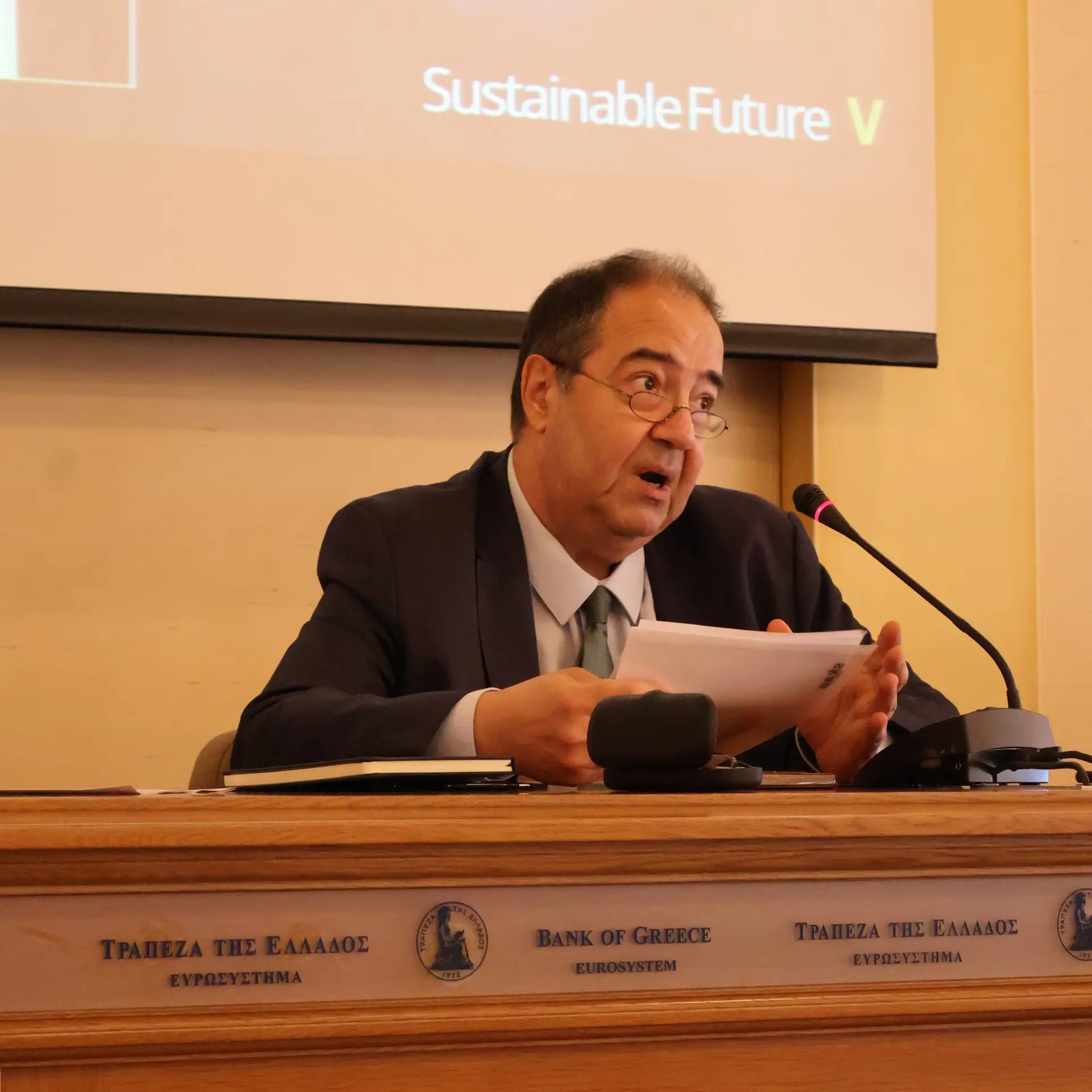
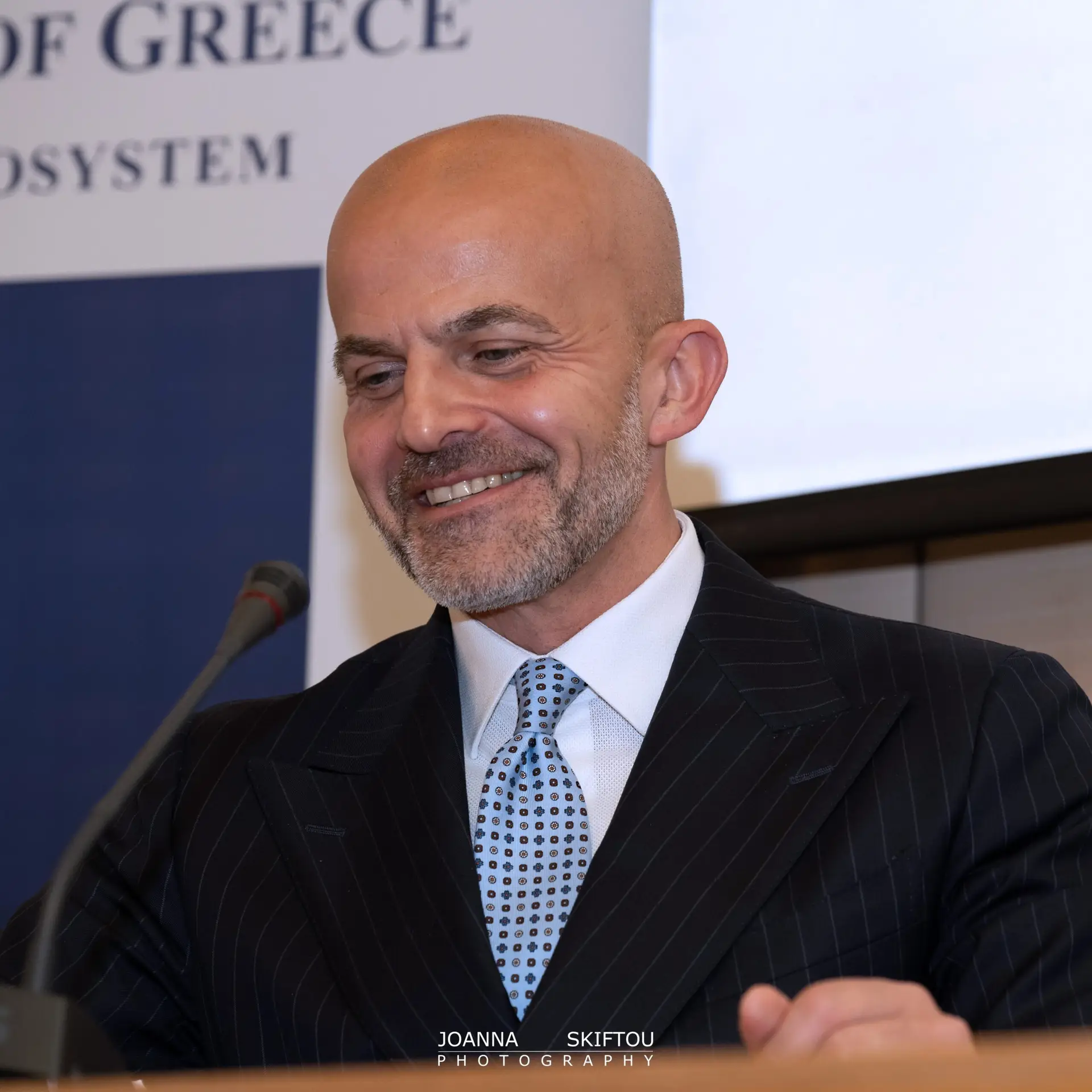
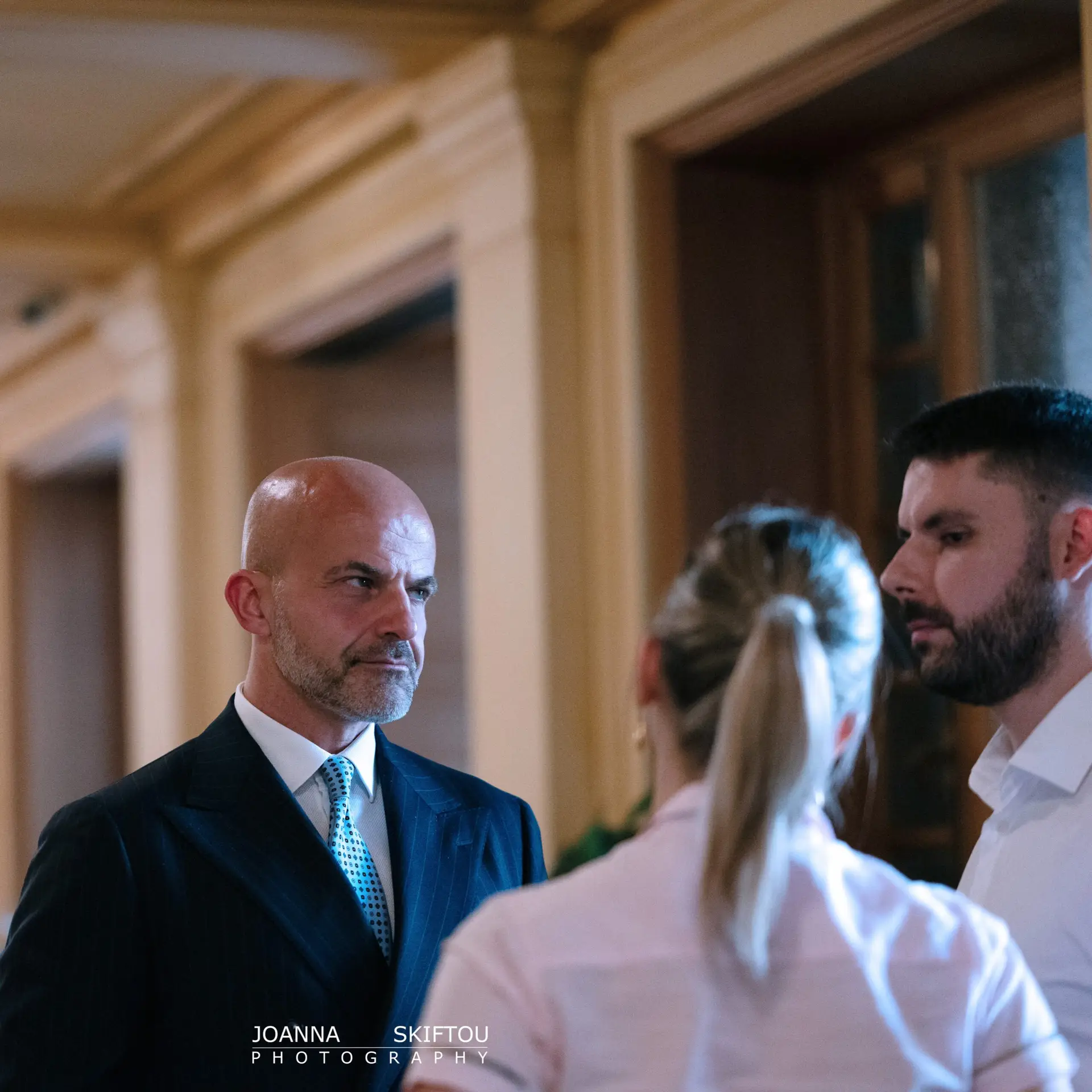
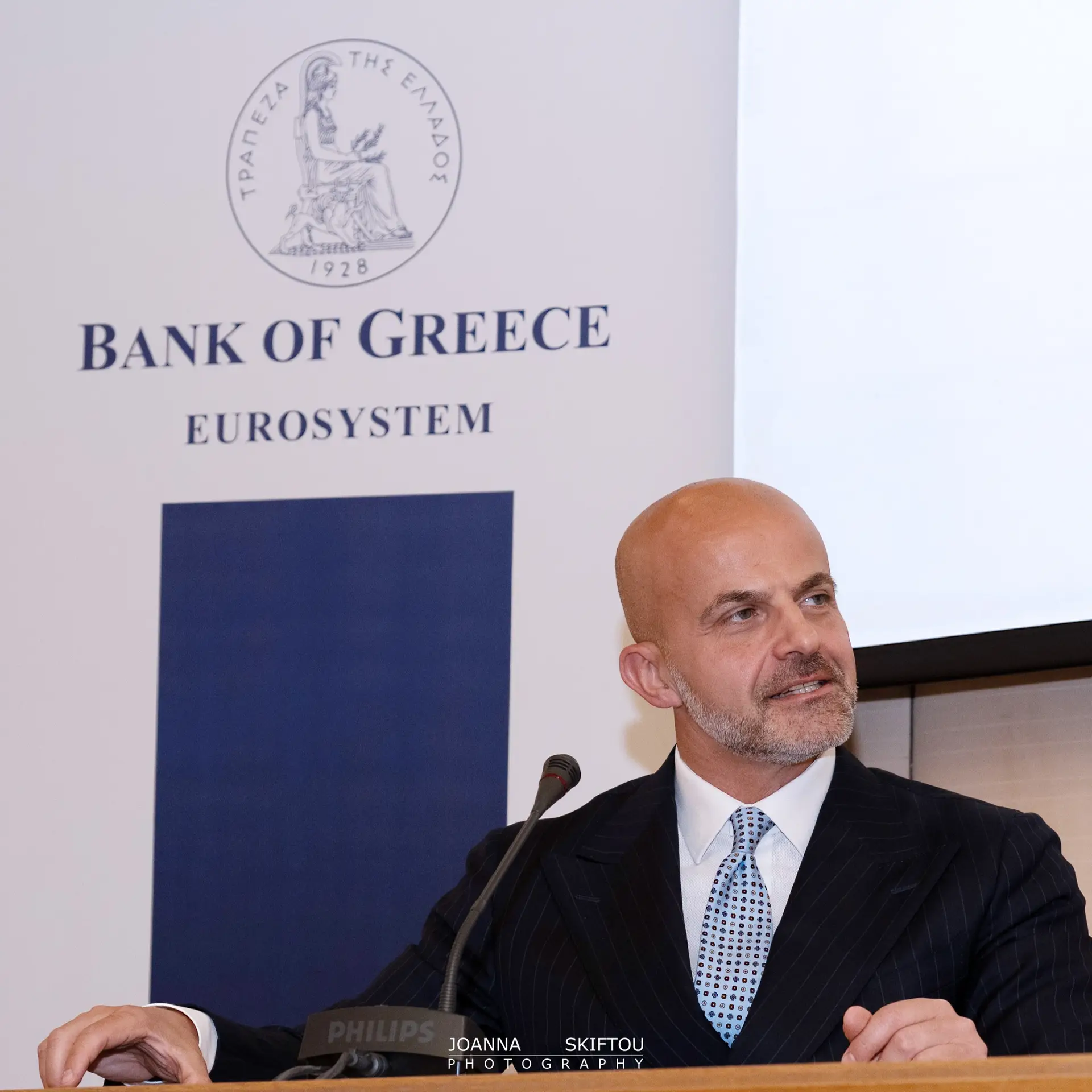

Mr. Francesco Cometa focused on the role of the European Investment Bank (EIB) as a key institution that acts as a guardian of European priorities, with sustainability representing one of the central pillars of its mission. As he explained, the EIB plays an indirect yet highly influential role in shaping financing conditions across Europe by integrating sustainability considerations into its decision-making processes and investment priorities.
Particular emphasis was placed on the interdisciplinary nature of sustainability. Lawyers, economists, and data scientists increasingly work together to assess ESG-related risks, support financial stability, contribute to banking supervision, and address physical risks associated with climate change, including floods and wildfires. As an illustrative example, Mr Cometa referred to the assessment of transition risks within the European automotive industry, highlighting the complexity and cross-sectoral expertise required in such analyses.
Mr Cometa also discussed the growing role of Artificial Intelligence (AI) within European institutions. While AI can significantly enhance productivity and efficiency, he stressed that its use must remain subject to clear human oversight, accountability, and responsibility in decision-making processes.
Concluding the discussion, he highlighted the wide range of opportunities that European institutions offer to young professionals. Beyond technical expertise, he emphasized that curiosity, adaptability, and a commitment to lifelong learning are among the most valuable qualities for building a successful career in the European public sector and the broader sustainability field.
Mr. Achilleas Ioakeimidis opened the panel discussion by highlighting the critical role of sustainability in the infrastructure sector. As he emphasized, safety is the fundamental prerequisite for any infrastructure project—without it, no other objective can be meaningfully pursued. Sustainability, in turn, is an essential condition for the successful implementation of the energy transition. In this context, he stressed the need for modern and resilient energy networks capable of supporting new patterns of energy generation and consumption.
Referring to PPC’s strategic direction, Mr. Ioakeimidis noted that the company’s transition towards sustainability and renewable energy sources is not merely an environmental commitment, but a core business strategy. This transformation is closely linked to capital reallocation, decarbonisation efforts, and the development of new products and market opportunities, including electric mobility, heat pumps, and data centres.
Particular emphasis was placed on lignite phase-out targets, emissions reduction, and the strengthening of energy generation capacity through new investments. As he noted, dependence on fossil fuels increases exposure to geopolitical risks and external shocks. Consequently, the transition away from lignite should be viewed not only as an environmental objective, but also as a strategic resilience measure and a prerequisite for building a more sustainable and secure energy system.

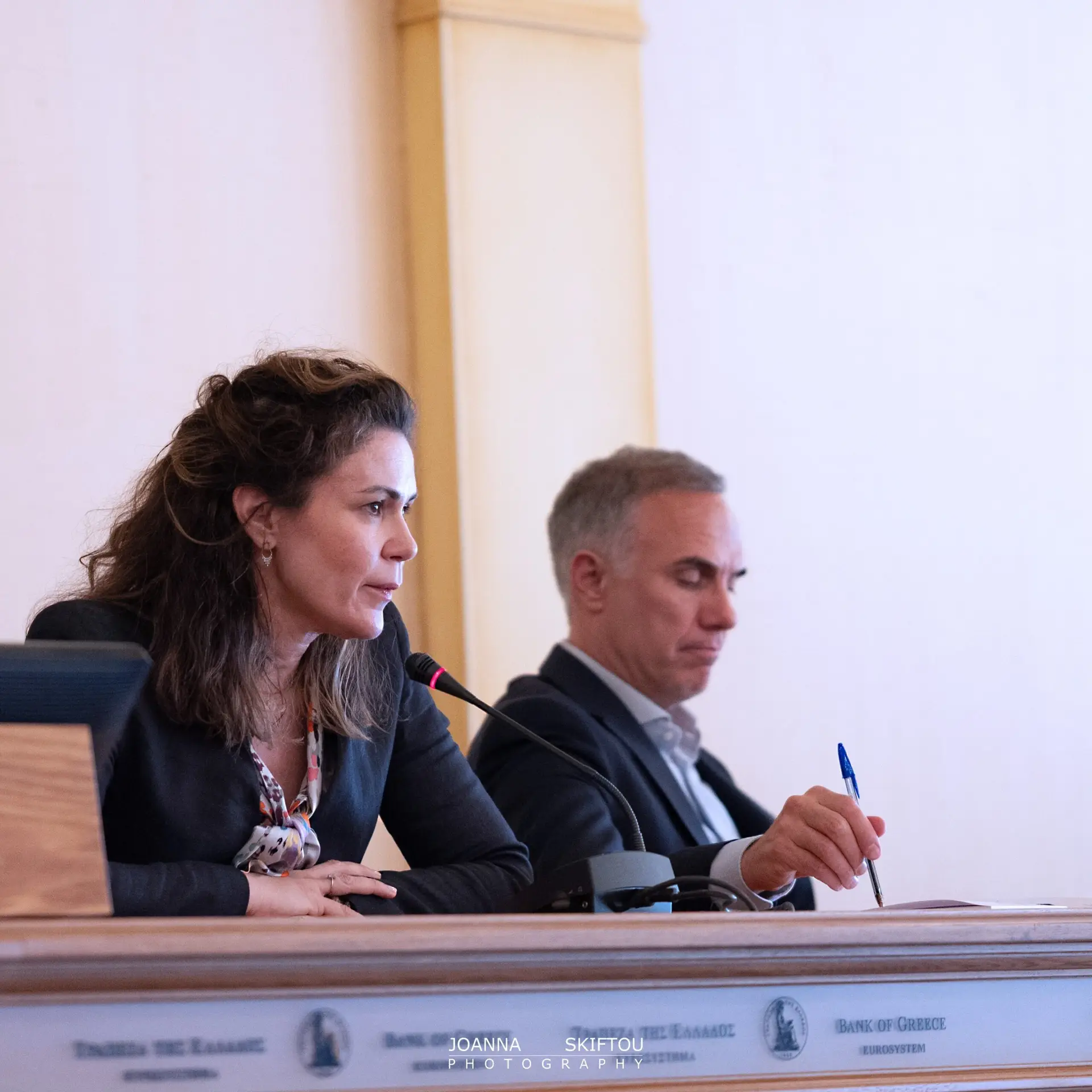
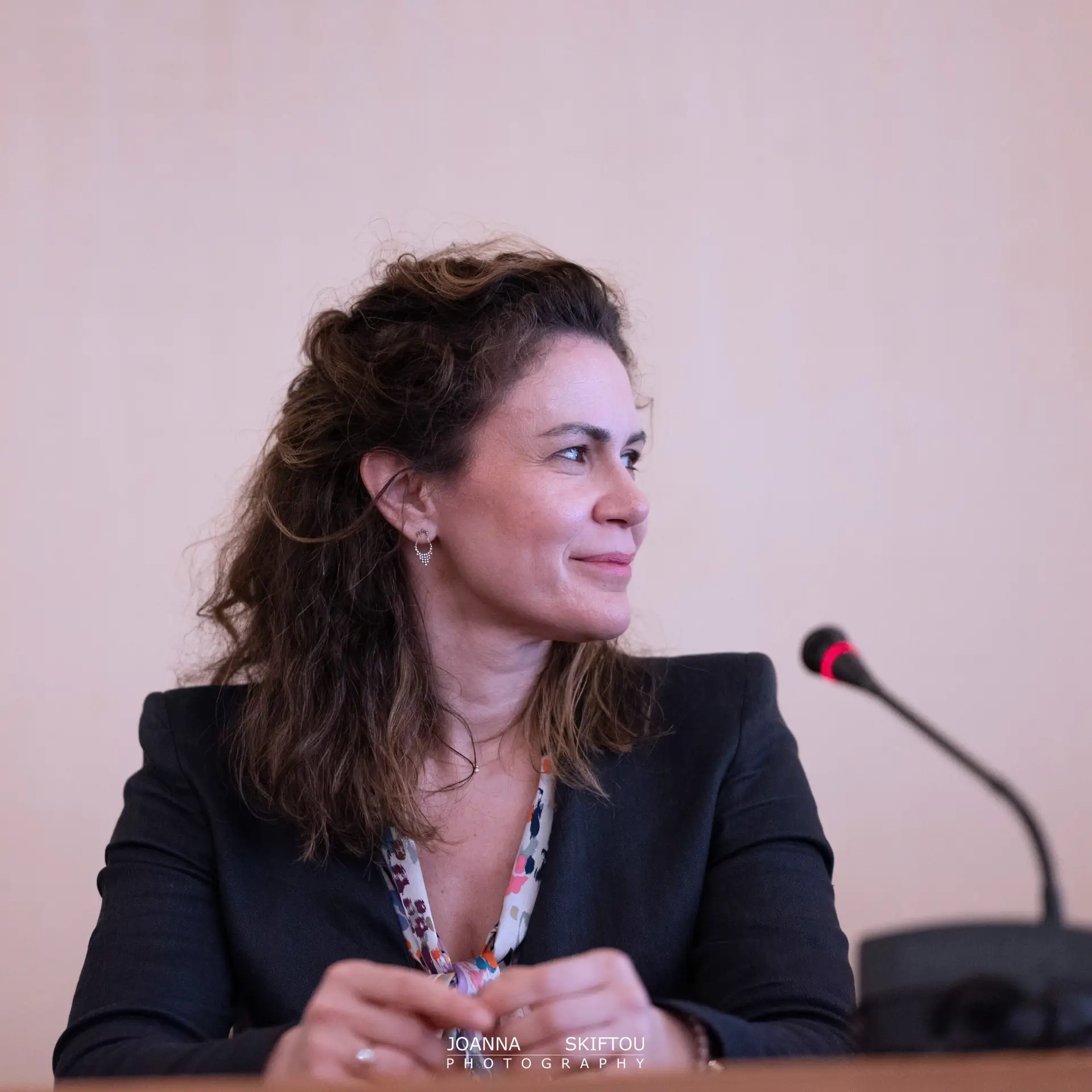
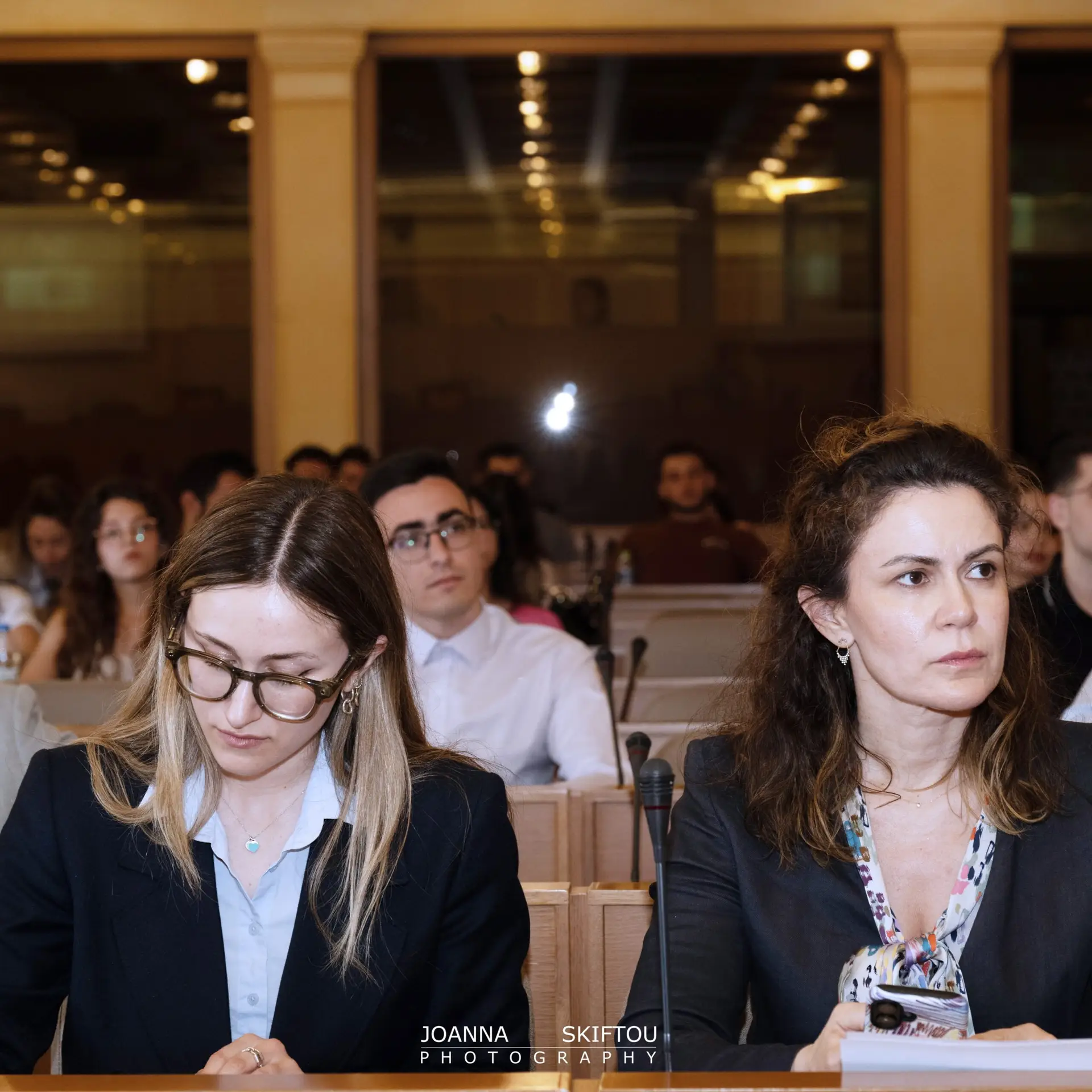
Drawing on his experience as a legal advisor in corporate transactions, Mr. Orestis Omran approached sustainability through the lens of business practicality and strategic adaptability. As he explained, with the exception of purely green investments, ESG considerations are not always the primary driver of a transaction. Instead, they form part of a broader and more complex decision-making framework in which financial, tax, regulatory, and commercial factors are assessed alongside sustainability-related considerations.
Addressing the audience which consisted mainly of university students, he noted that junior lawyers working in the field of transactions may encounter ESG-related matters as part of the due diligence process, including the assessment of compliance with sustainability requirements and regulatory obligations. However, he stressed that aspiring professionals should focus on developing a comprehensive understanding of markets, financial analysis, and tax strategy, as these competencies remain essential for navigating complex corporate transactions.
Mr. Omran also highlighted the growing global trend of moving away from outdated and less competitive assets, as investors increasingly seek infrastructure and investments that can deliver long-term value and resilience. At the same time, he cautioned against viewing the energy transition in isolation from broader geopolitical realities.
In this context, he argued that certain existing infrastructure assets may continue to play an important transitional role. Achieving an effective balance between climate objectives, energy security, and economic viability requires flexibility, sound judgement, and a realistic understanding of the institutional and geopolitical environment in which decisions are made.
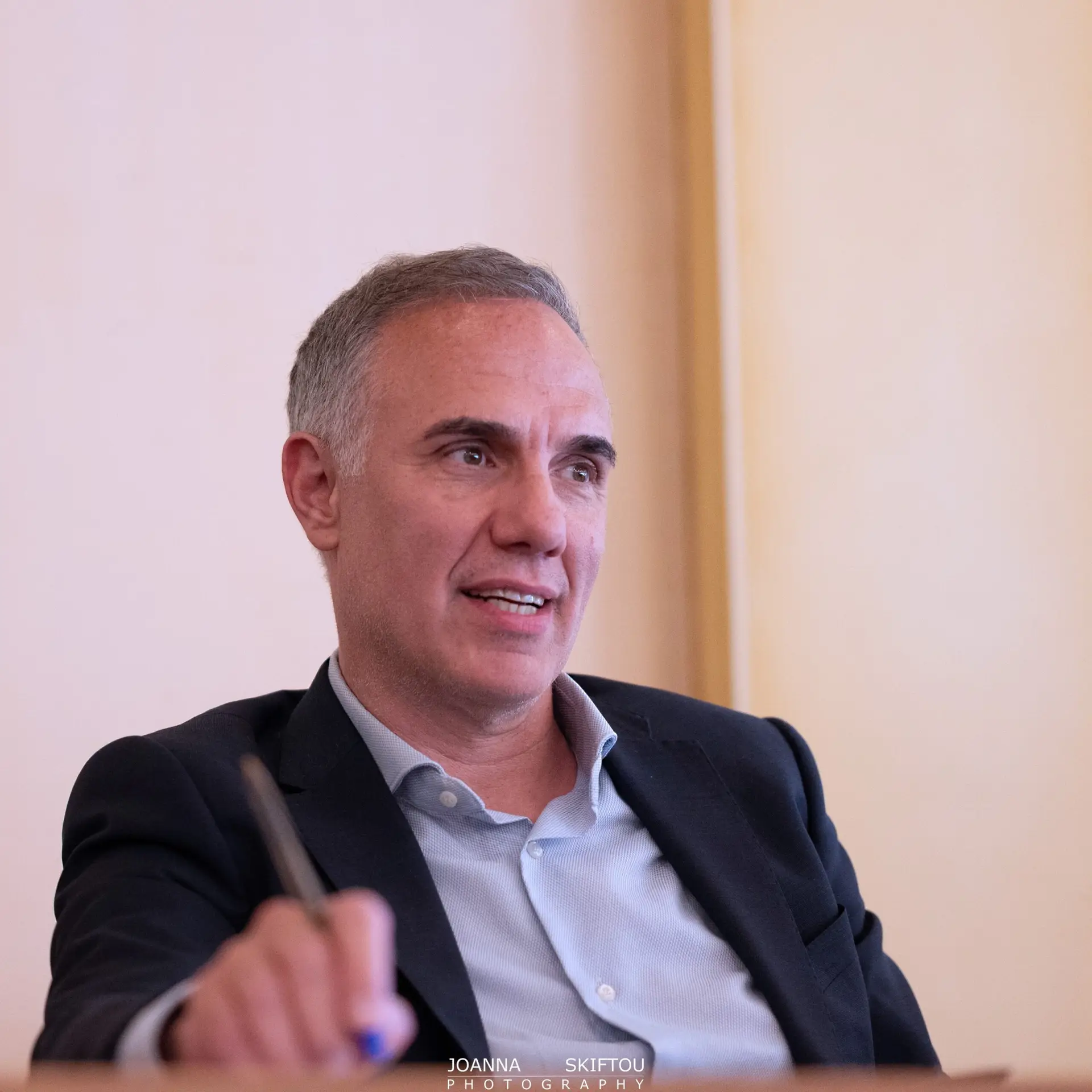



Continuing the panel discussion, Ms. Anna Vasila presented the Athens International Airport (AIA) as a practical example of how infrastructure development can successfully integrate sustainability and long-term financing. Reflecting on the transition from the old airport at Ellinikon to the current airport in Spata, she highlighted how the new infrastructure enabled the creation of a broader economic ecosystem, generating significant direct and indirect value for the economy.
Particular emphasis was placed on the importance of the regulatory framework and the Airport Development Agreement, which establish the conditions for the airport’s operation and future growth. As she explained, access to financing increasingly depends on an infrastructure asset’s ability to demonstrate resilience, adaptability, and long-term sustainability.
Ms Vasila also referred to the successful completion of the Route 2025 roadmap, through which Athens International Airport achieved its net-zero emissions target for Scope 1 and Scope 2 emissions. This milestone not only strengthened the airport’s environmental performance but also enhanced its insurability and its capacity to secure financing for future expansion projects.
Concluding her remarks, she stressed that sustainability is deeply embedded within the company’s governance framework. Rather than being treated as a standalone initiative, sustainability considerations are integrated into strategic decision-making processes and are directly linked to executive remuneration, reinforcing accountability and long-term commitment across the organisation.
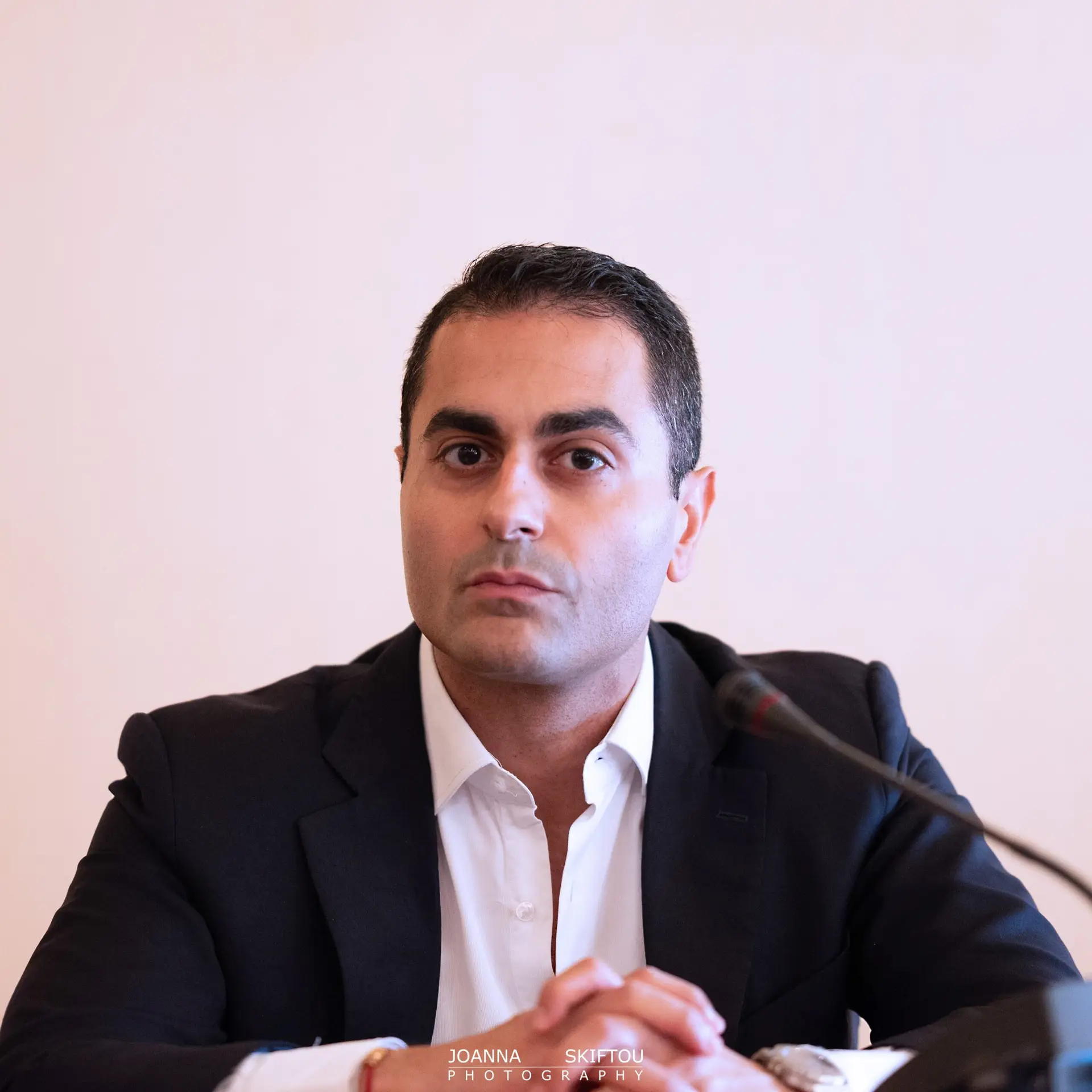

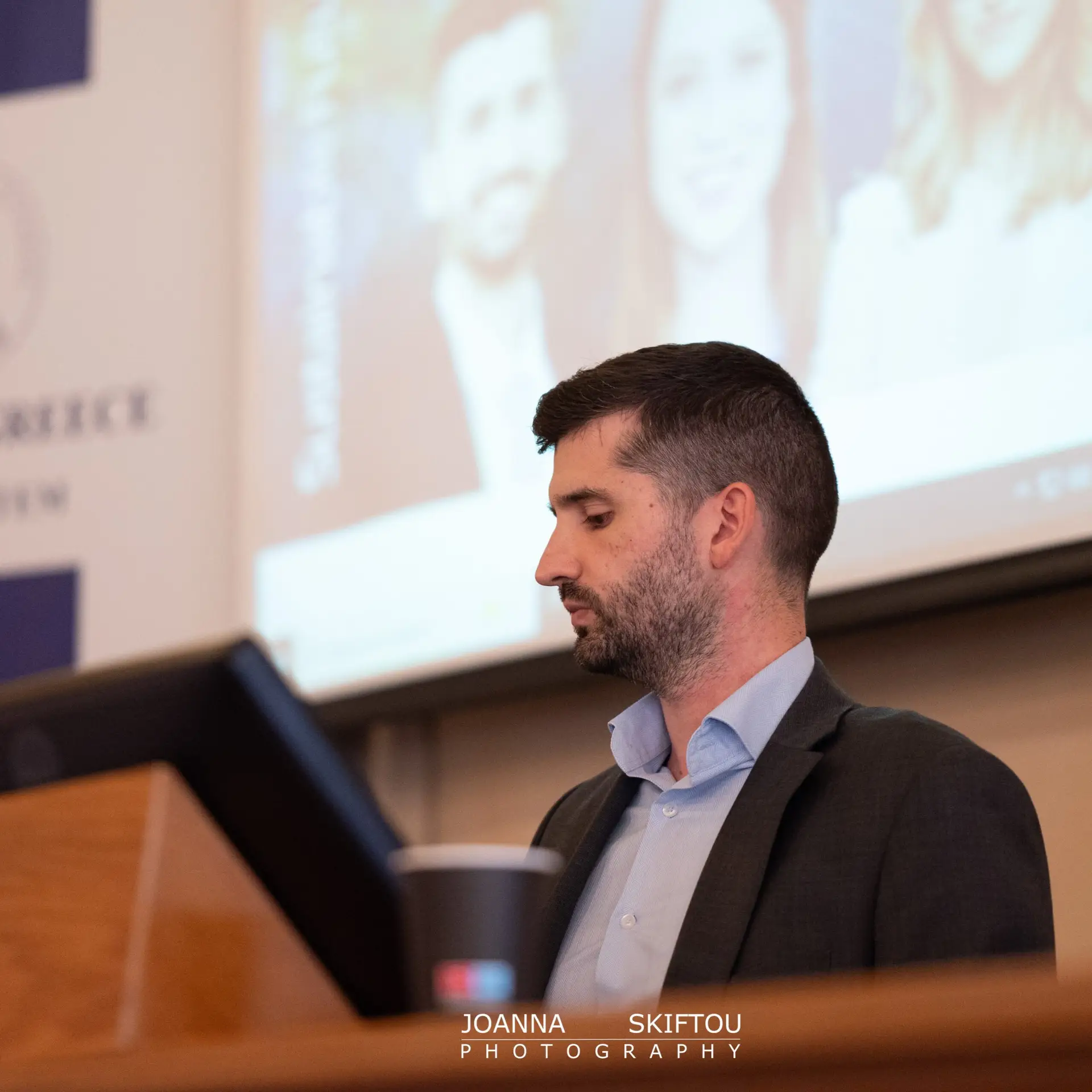
Ms. Iliana Petta focused on the challenges and opportunities associated with ESG reporting, emphasizing that it should not be viewed as a simple compliance exercise or administrative requirement. Rather, it is a collaborative process that demands coordination, technical expertise, and strong organisational alignment across multiple functions.
As she explained, effective ESG reporting requires a thorough understanding of regulatory requirements, which are not always fully harmonised and continue to evolve. At the same time, it mandates meaningful collaboration between different departments, the development of trust-based relationships within the organisation, and the ability to accurately assess both the quality and availability of relevant data.
Particular emphasis was placed on the role of reporting as a valuable reality check for organisations. Through the reporting process, companies gain a clearer understanding of their strengths, identify areas where improvement is needed, and assess whether their stated ambitions and targets genuinely reflect their operational practices and strategic direction.
Concluding her remarks, Ms Petta encouraged young professionals to take ownership of ESG-related initiatives within their own departments, even when sustainability is not part of their formal responsibilities. She highlighted ESG as an opportunity to demonstrate strategic thinking, foster cross-functional collaboration, and become agents of change within their organisations, helping embed sustainability into everyday business decisions and corporate culture.

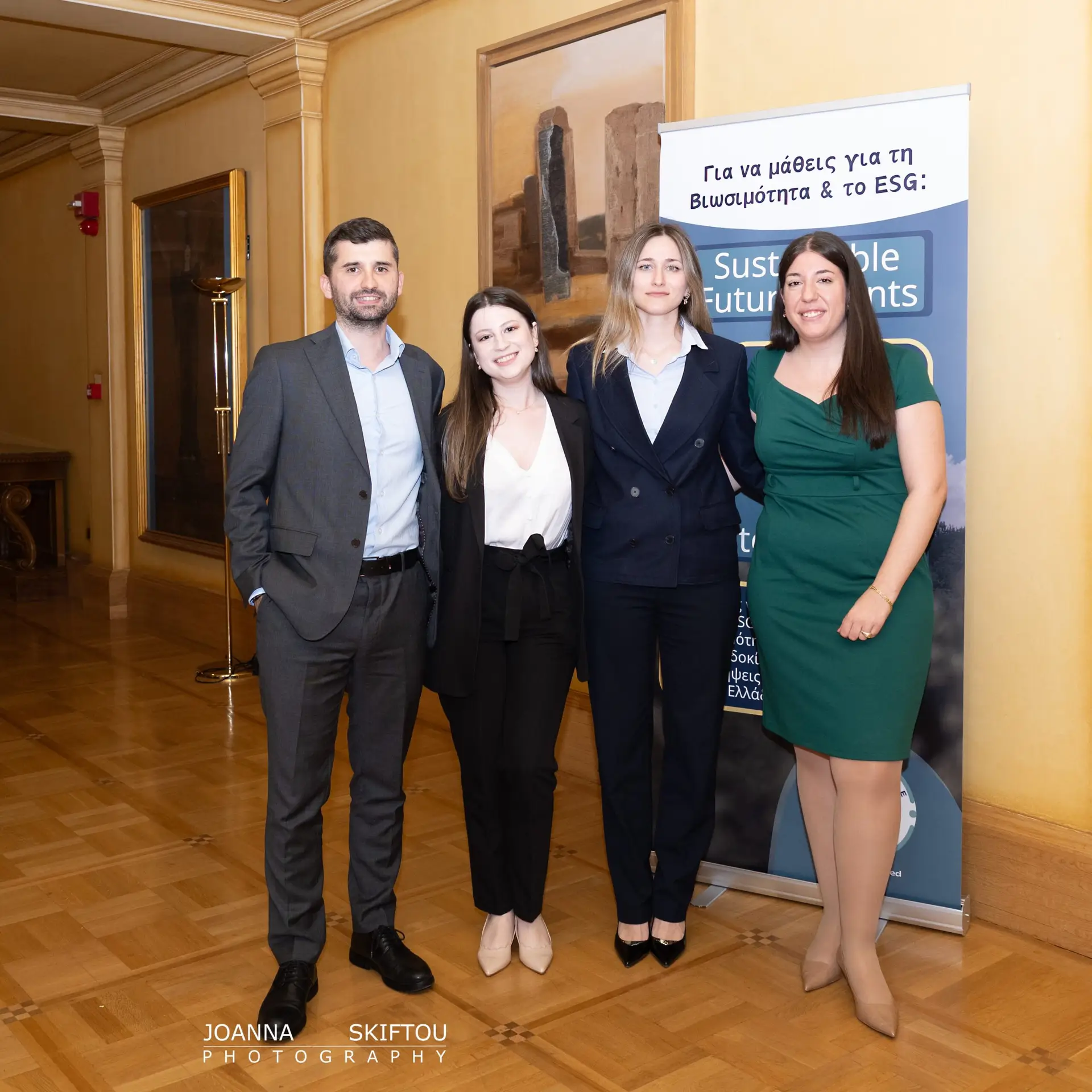
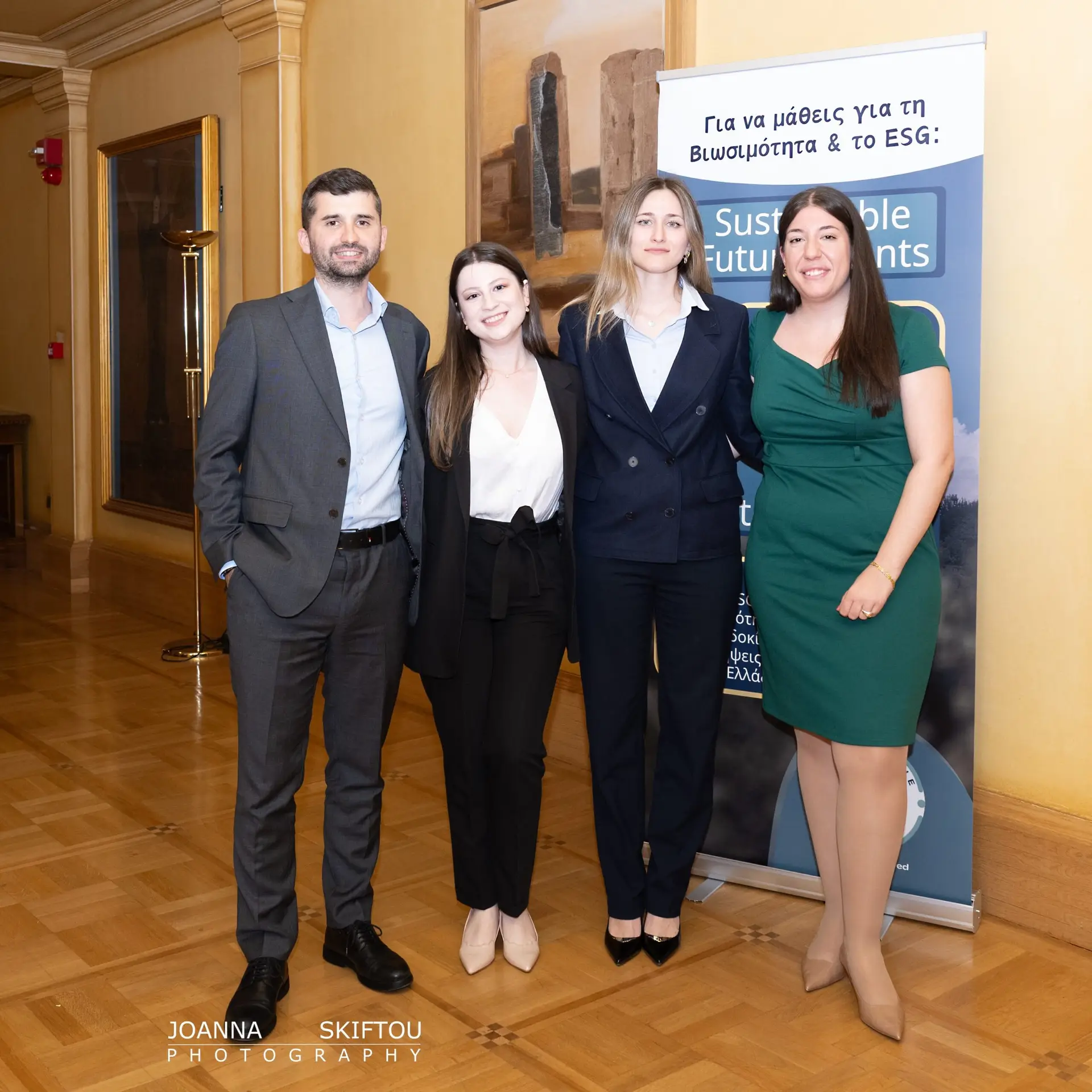
Mr. Alexandros Floros focused on the professional opportunities emerging from the growing importance of sustainability and ESG, particularly for young professionals entering the workforce through junior-level positions. As he explained, working in ESG can provide a unique and holistic perspective on how a business operates, offering exposure to multiple functions and strategic priorities across an organisation.
He noted that the degree to which ESG is integrated into business operations largely depends on a company’s size and organizational maturity. For smaller businesses, sustainability remains a more complex and evolving challenge, often constrained by resources and organisational maturity. In contrast, listed companies typically benefit from more structured governance frameworks, dedicated sustainability teams, and specialised external advisors that support ESG integration and reporting.
Drawing from his own professional journey, Mr. Floros emphasised the importance of curiosity, adaptability, and continuous learning as key drivers of career development. He encouraged young professionals to view sustainability not merely as a technical discipline, but as a field that enables a broader understanding of business strategy, risk management, and value creation.
Concluding his remarks, he highlighted the role of Double Materiality Assessments as a particularly valuable learning opportunity. Through these processes, early-career professionals often gain direct exposure to senior executives and strategic decision-making discussions, providing a unique opportunity to develop a deeper understanding of how organisations operate and create long-term value.


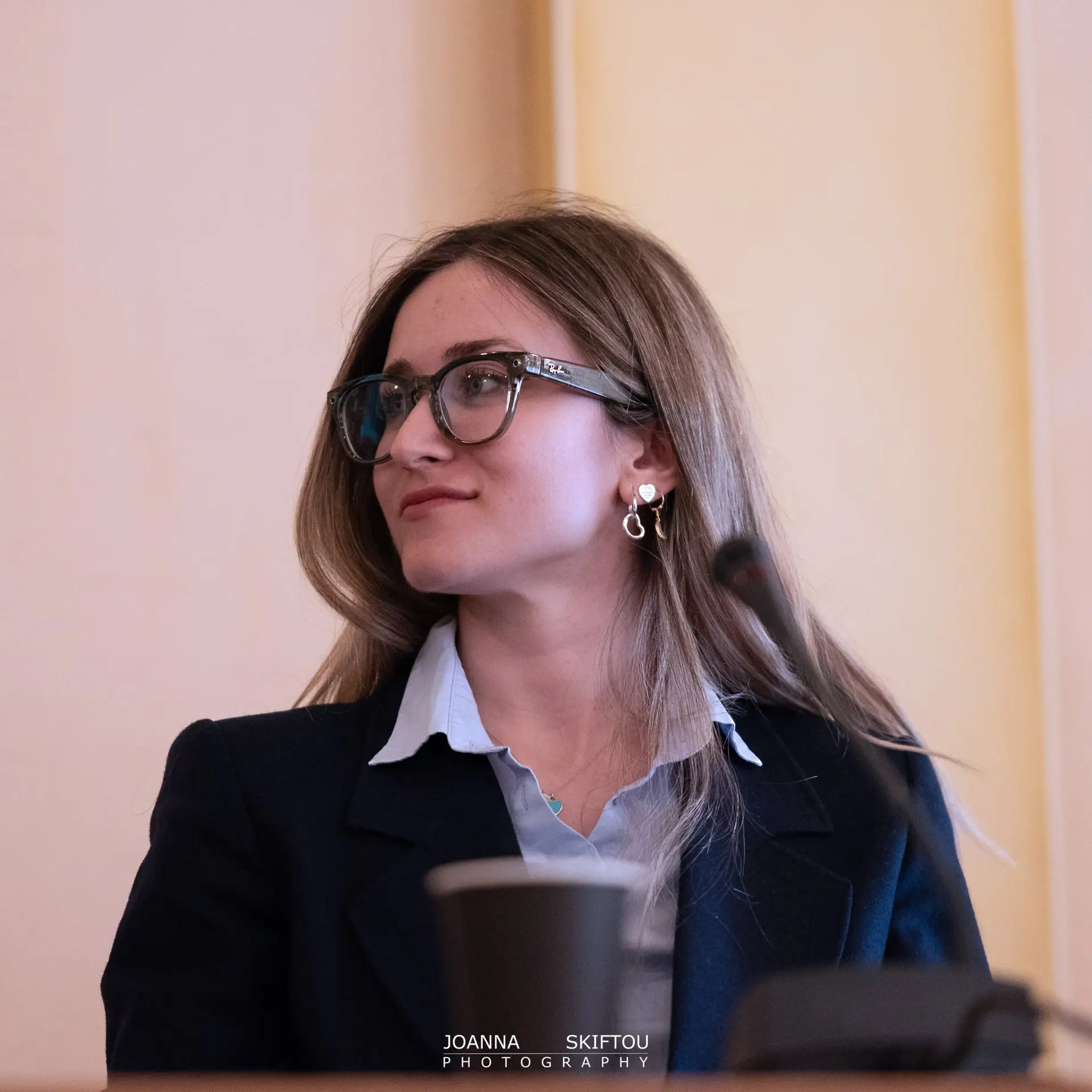
Reflecting on her personal and professional journey, Ms. Athina Tsironi highlighted how sustainability attracts professionals from a wide range of academic and professional backgrounds. Drawing on her studies in Environmental Science, and Public & Environmental Health, as well as her experience in communications and marketing, she illustrated the inherently multidisciplinary nature of the sustainability field and the diverse skill sets it requires.
A key theme of her speech was the importance of being able to translate, synthesise, and communicate information effectively. In the context of sustainability, this often involves gathering large volumes of data from different departments and transforming them into meaningful, accessible, and actionable insights for both internal and external stakeholders.
Ms. Tsironi also emphasised that sustainability acts as an “umbrella” discipline, intersecting with virtually every field of expertise. Whether in finance, law, engineering, communications, operations, or public policy, sustainability considerations are increasingly becoming part of everyday decision-making. At the same time, the rapidly evolving regulatory landscape requires professionals to remain flexible, adaptable, and committed to continuous learning.
Concluding her remarks, she encouraged young professionals not to focus exclusively on job titles, academic credentials, or predefined career paths. Instead, she advocated for a mindset of continuous self-assessment, regularly evaluating what skills and perspectives they can contribute, identifying gaps in their knowledge, and proactively seeking opportunities for growth and development throughout their careers.
The Motor Oil workshop, delivered by Ms. Elena Athousaki, explored sustainability as a strategic decision-making and stakeholder engagement tool rather than a purely compliance-driven exercise. As a diversified energy group, Motor Oil views sustainability reporting as a key mechanism for meaningful communication with investors, suppliers, customers, public authorities, and society at large.
A central theme of the discussion was the concept of Double Materiality, which involves assessing both the risks that sustainability-related issues may pose to the company’s financial performance and the impacts that the company’s activities have on society and the environment. It was emphasized that this process cannot be treated as a one-off exercise, but must be conducted on a regular basis, as stakeholder expectations, business priorities, available data, and regulatory requirements continue to evolve.
Particular attention was given to the importance of producing clear, reliable, and transparent ESG reports. Effective reporting should not only showcase progress and achievements but also provide an honest reflection of areas where further improvement is required. In addition, linking ESG targets to executive remuneration was highlighted as an important accountability mechanism that helps embed sustainability objectives into business decision-making.
The workshop concluded that the energy transition is ultimately a complex balancing exercise, requiring organisations to navigate climate ambitions, economic considerations, geopolitical developments, technological innovation, and long-term business viability simultaneously. Sustainable transformation, therefore, demands both strategic vision and operational pragmatism.
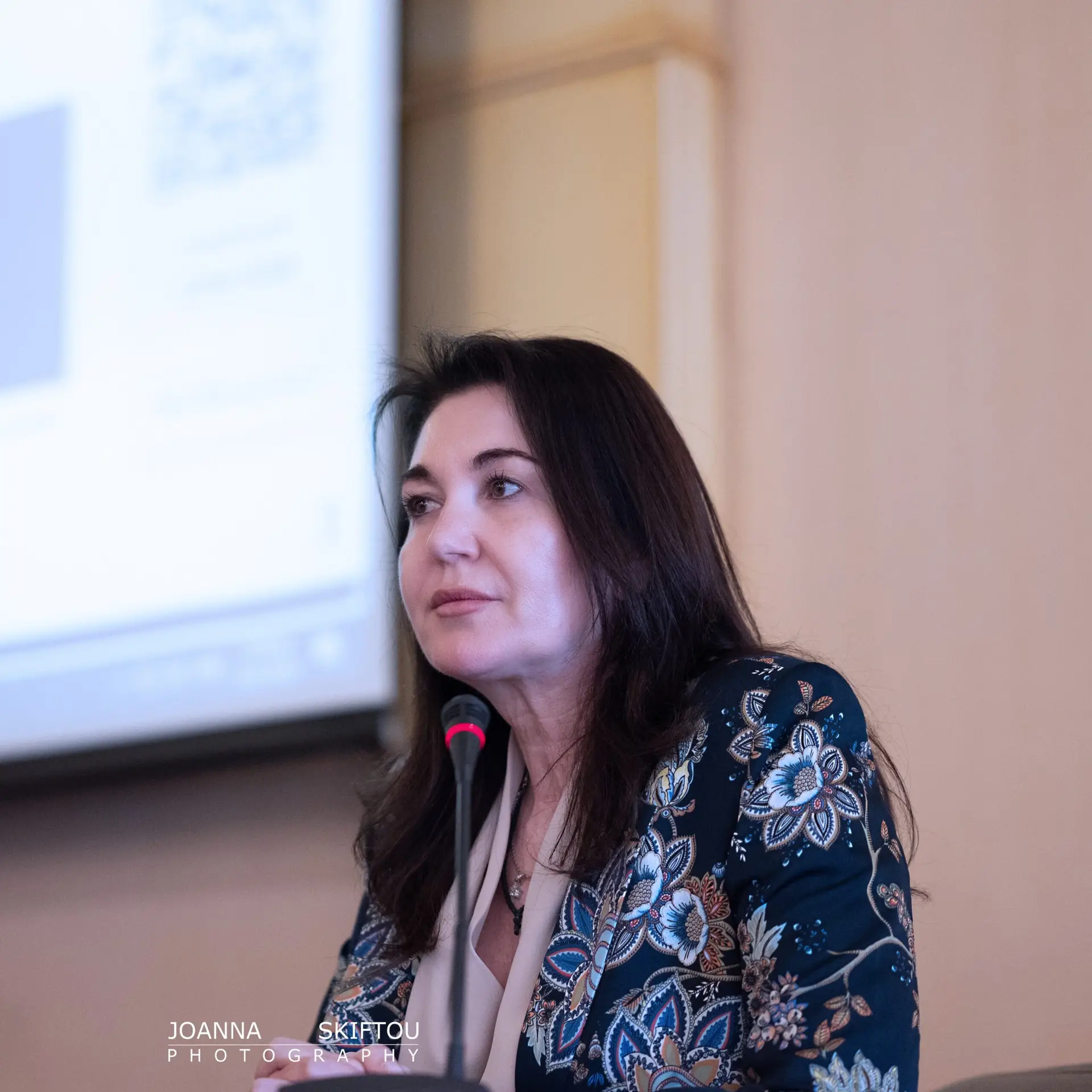


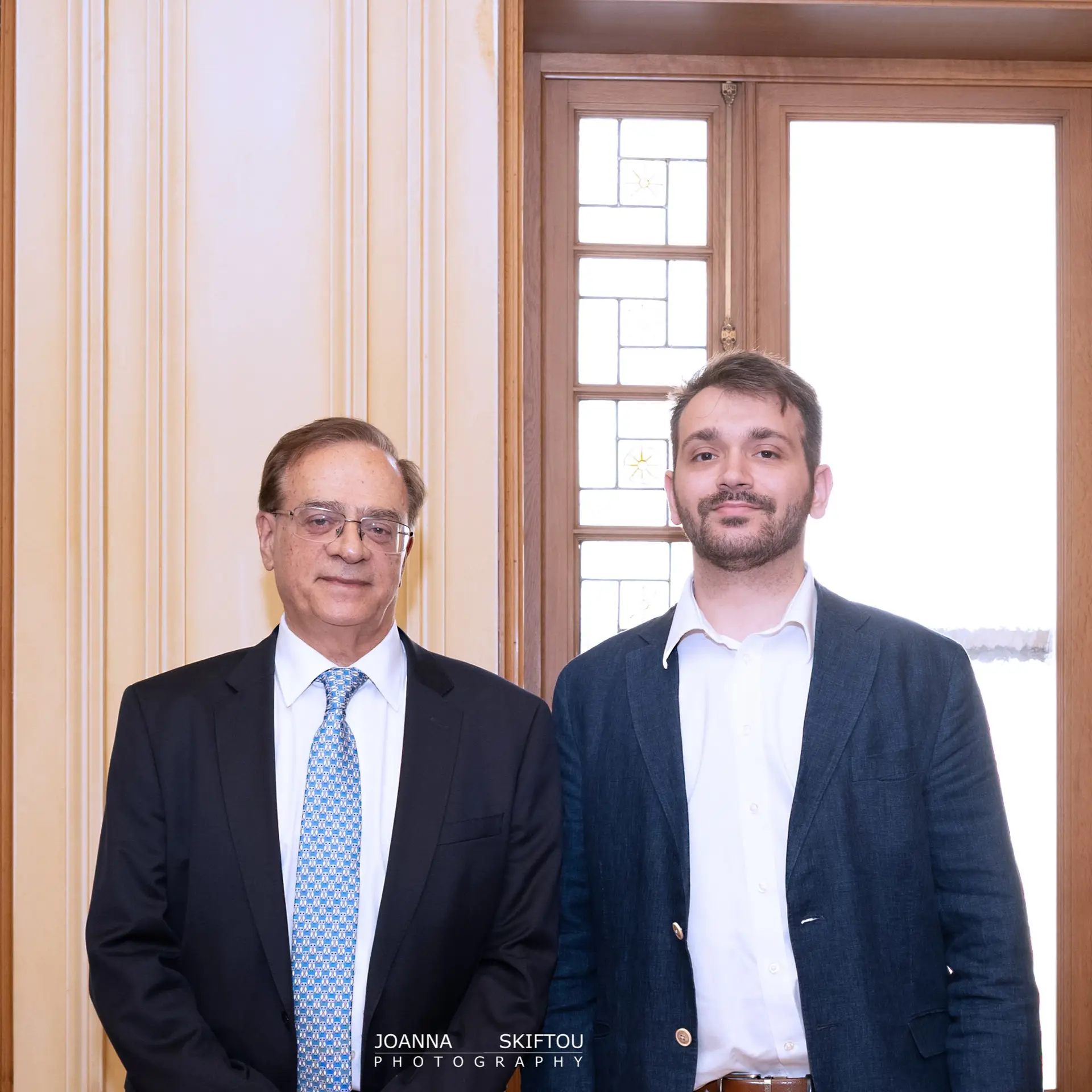
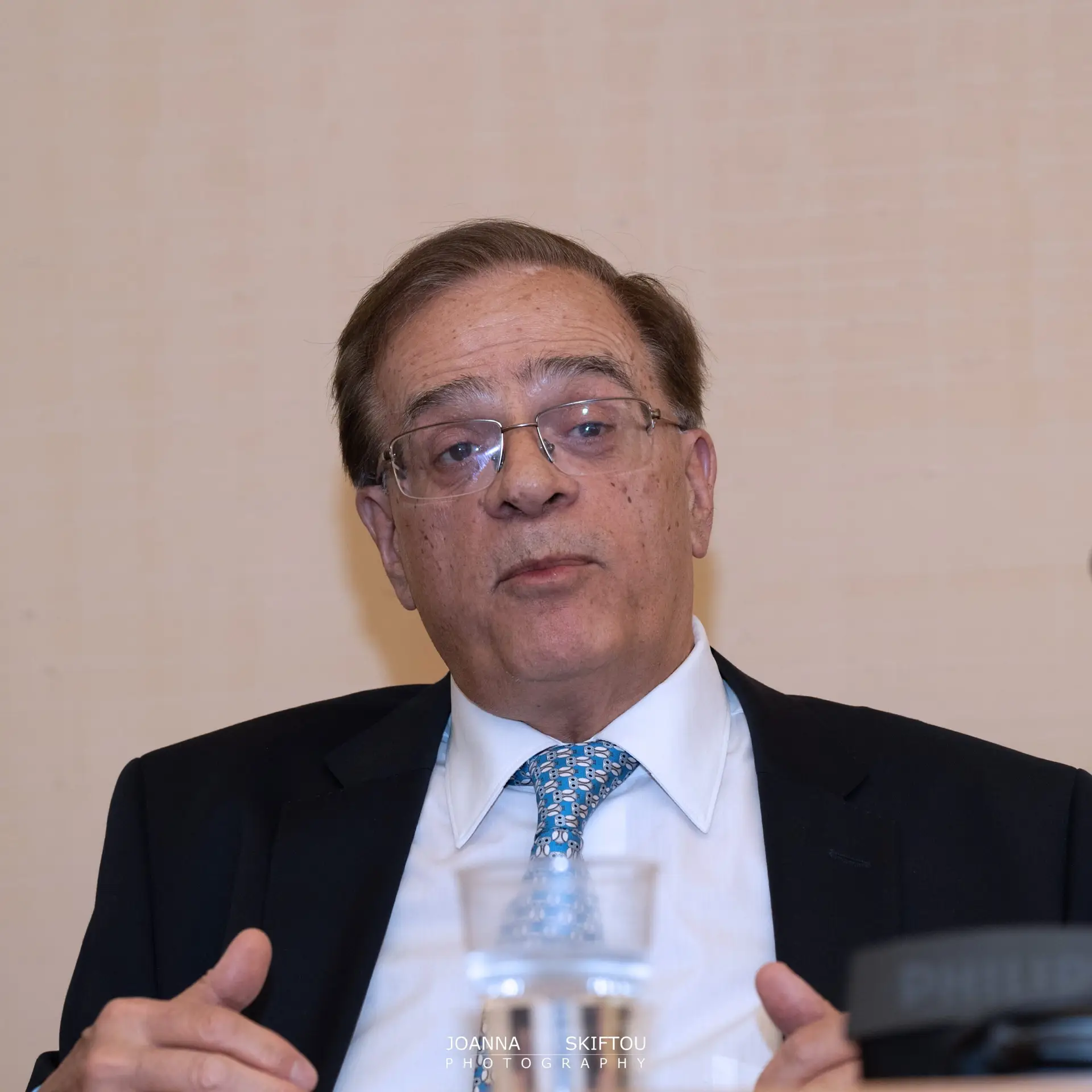
Mr. Vassilis Vasdekis focused on the evolution of ESG from a compliance-driven obligation into a strategic value creation tool for businesses. As he explained, ESG is no longer viewed solely as a regulatory requirement but increasingly as a factor that influences access to capital, supports the quantification and management of risks, and strengthens long-term business resilience.
Within this context, he emphasized that sustainability should not be perceived as a compliance cost. Instead, organisations should view it as an investment in long-term value creation, competitiveness, and sustainable growth.
Mr. Vasdekis also highlighted the role of the Athens University of Economics and Business (AUEB) in bridging academic knowledge and real-world business needs. Through its research activities, postgraduate programmes, and its Center for Education and Lifelong Learning, the University contributes to the development of skills and competencies that are increasingly sought after by employers and aligned with evolving market demands.
Particular emphasis was placed on the importance of continuous education and professional development. As sustainability-related challenges, regulations, and business expectations continue to evolve, organisations are increasingly seeking professionals who combine technical expertise with adaptability and a willingness to learn. In this way, sustainability is becoming not only a regulatory and strategic priority but also a growing field of knowledge, career development, and professional opportunity.
Mr. Gikas Hardouvelis focused on the impact of geopolitical uncertainty on economic activity, energy prices, and global supply chains. As he noted, the current environment is often compared to the disruptions experienced during the 1970s. However, he highlighted one important distinction: modern economies are significantly less energy-intensive, reducing the overall economic impact of energy-related shocks and improving their capacity to absorb external disruptions.
Particular attention was given to macroeconomic projections, according to which rising oil prices may have a negative effect on economic growth, although the impact is expected to remain relatively contained. He also noted that inflationary pressures in Greece could temporarily increase before gradually moderating, while financial markets currently appear to be responding with a degree of confidence and resilience.
Mr. Hardouvelis then turned to the banking sector, emphasizing the substantial progress made in strengthening its resilience over recent years. He highlighted the role of enhanced supervisory frameworks, reverse stress testing exercises, and on-site inspections in improving banks’ ability to identify vulnerabilities and withstand adverse scenarios.
Concluding his remarks, he reflected on the performance of the Greek banking sector, underlining the strong capital adequacy and liquidity positions that Greek banks have built in recent years. These factors, he argued, serve as important buffers against geopolitical risks and external shocks, supporting the sector’s long-term stability and sustainable growth trajectory.

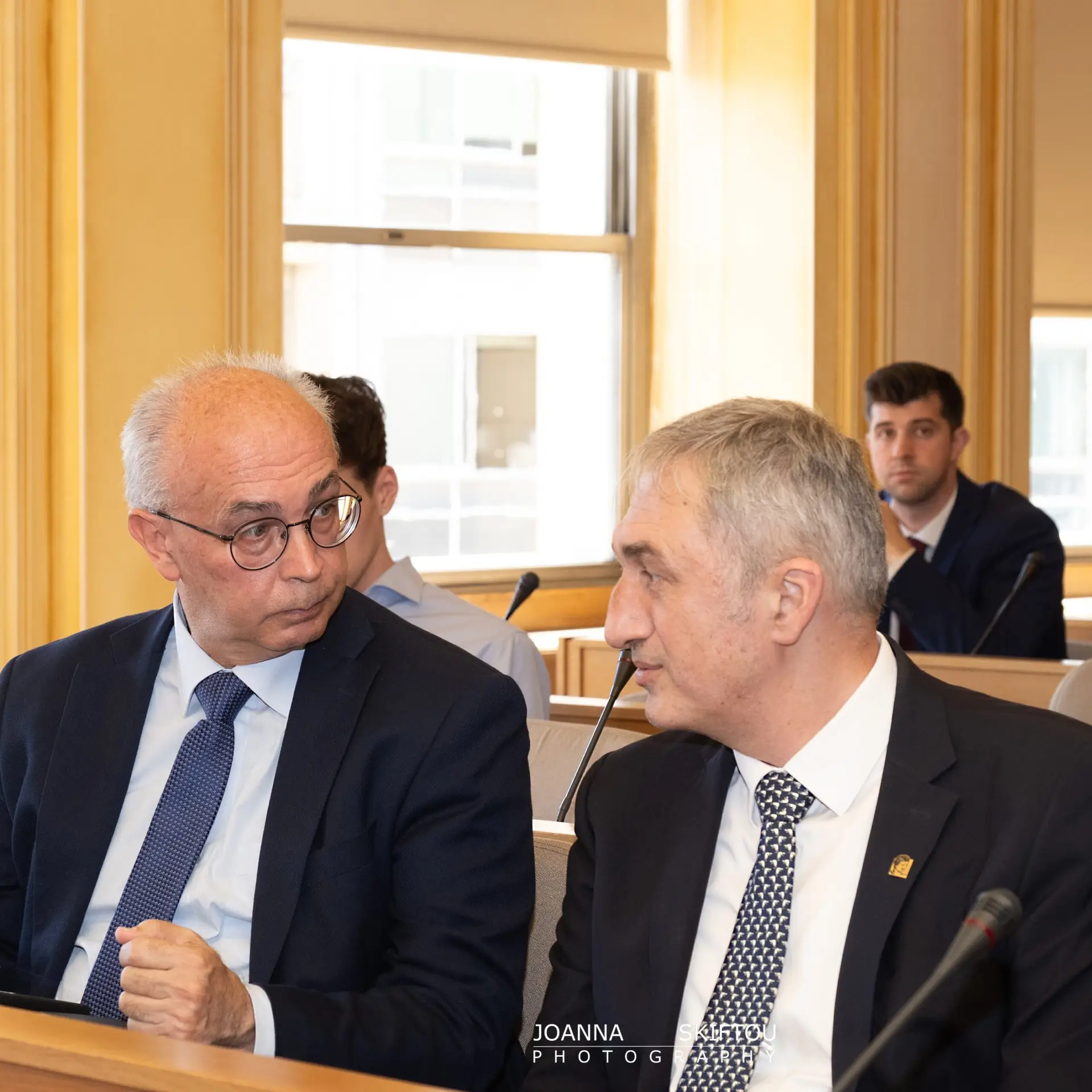
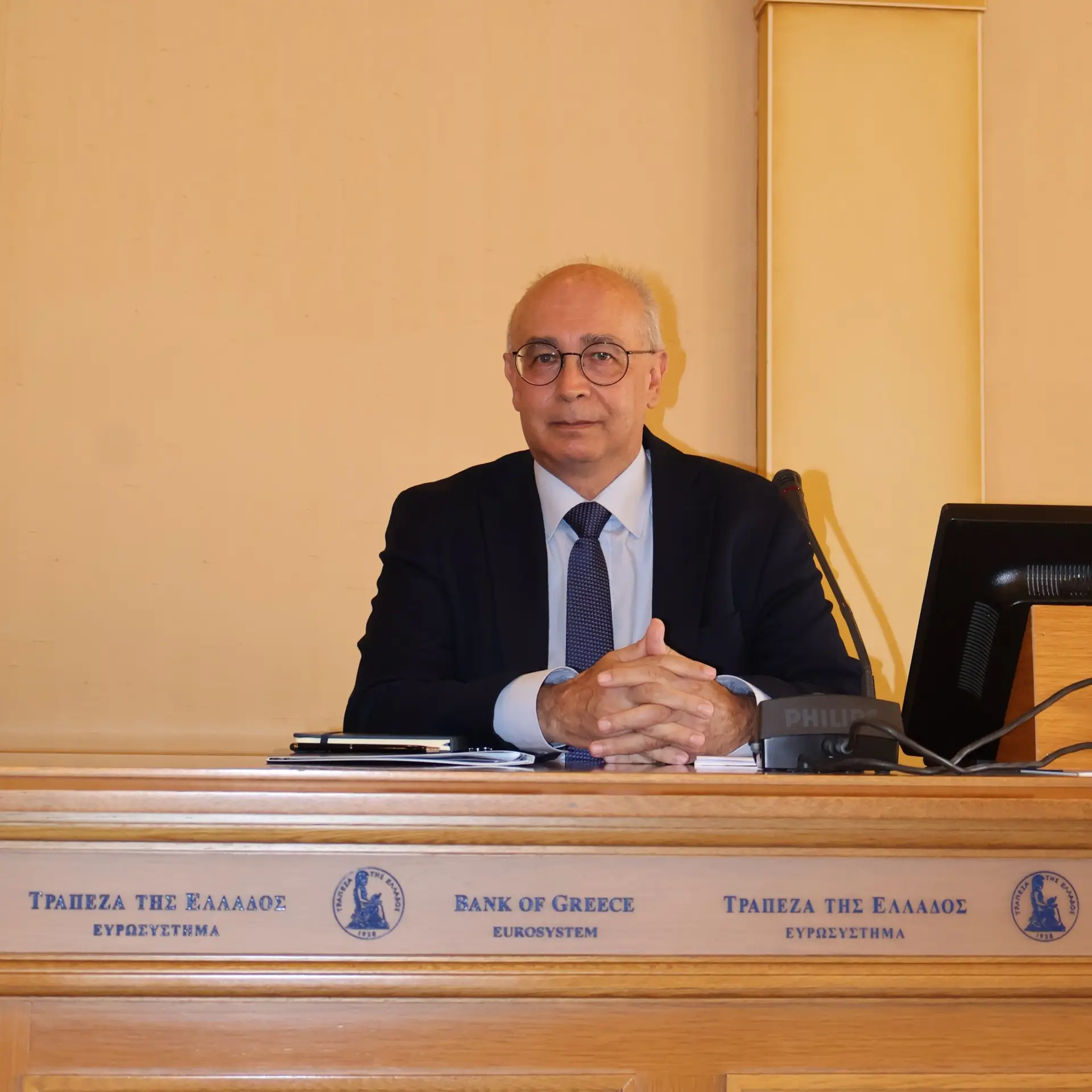
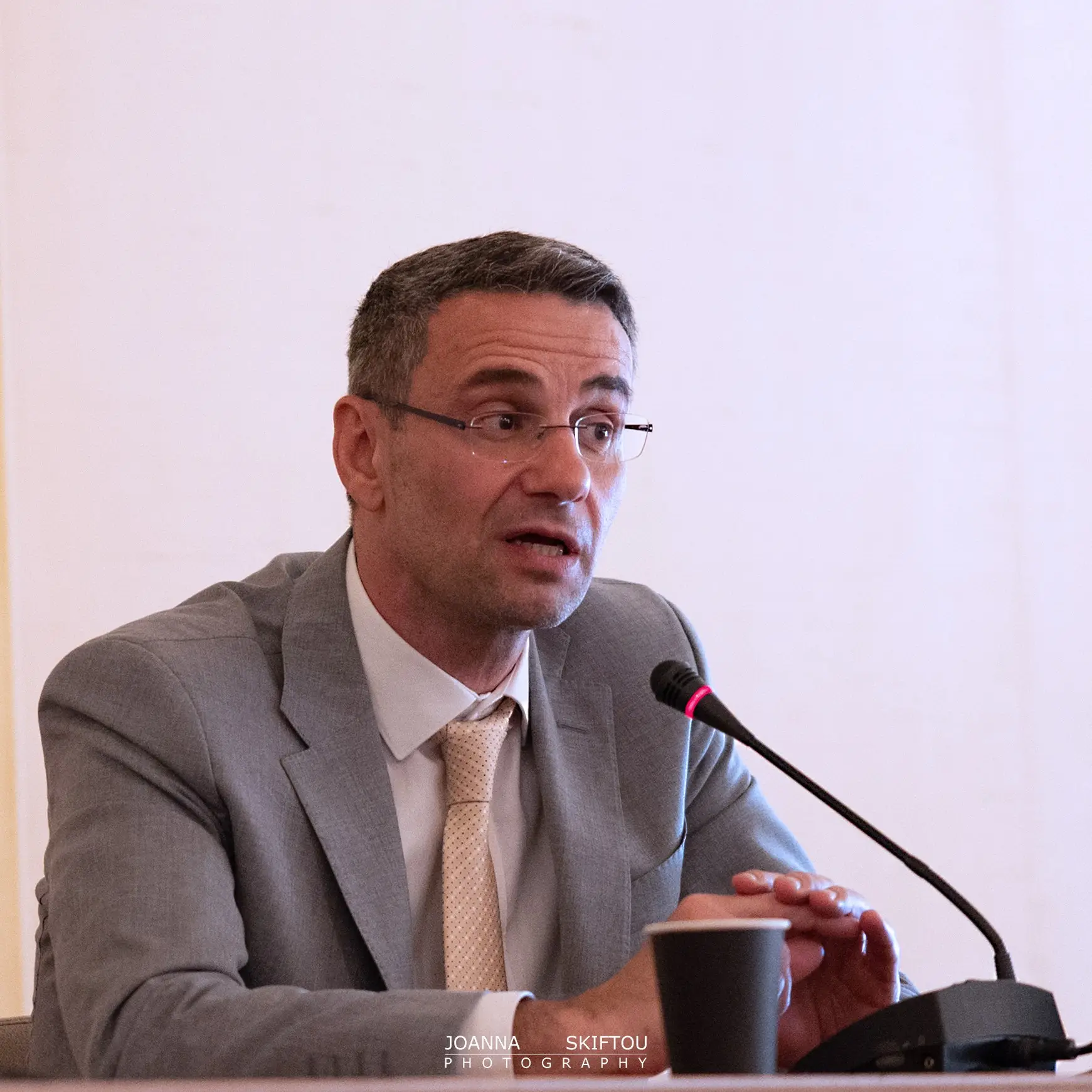
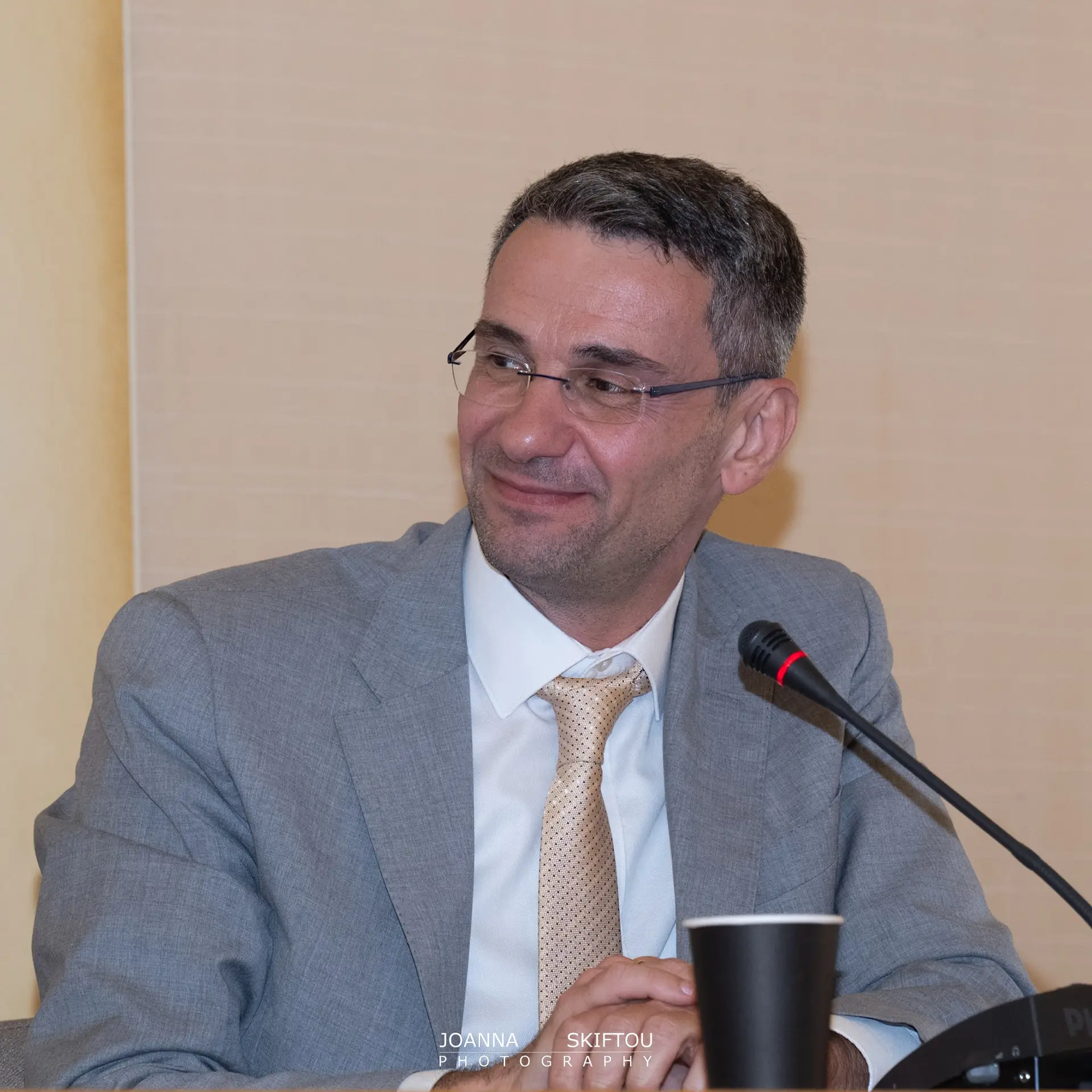
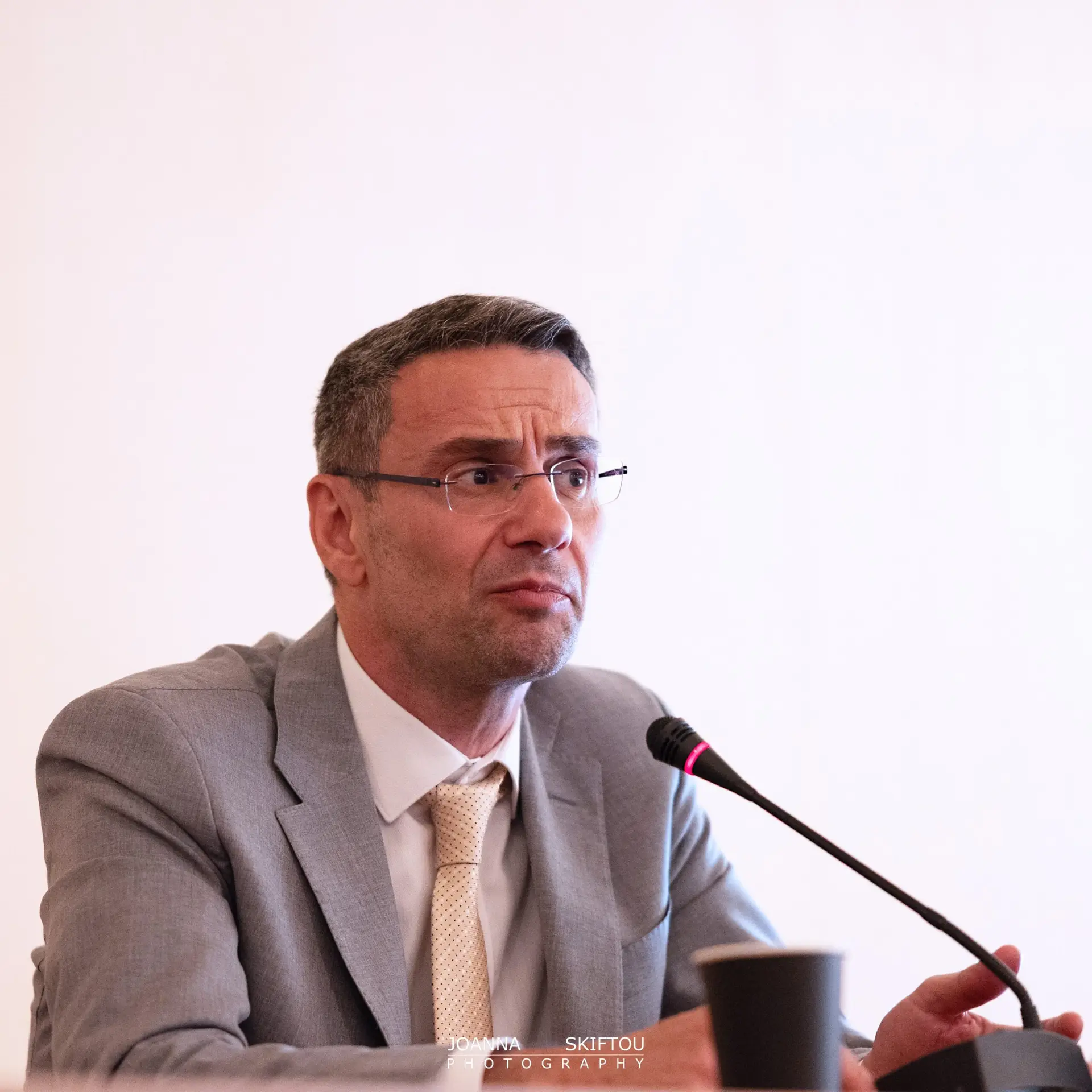
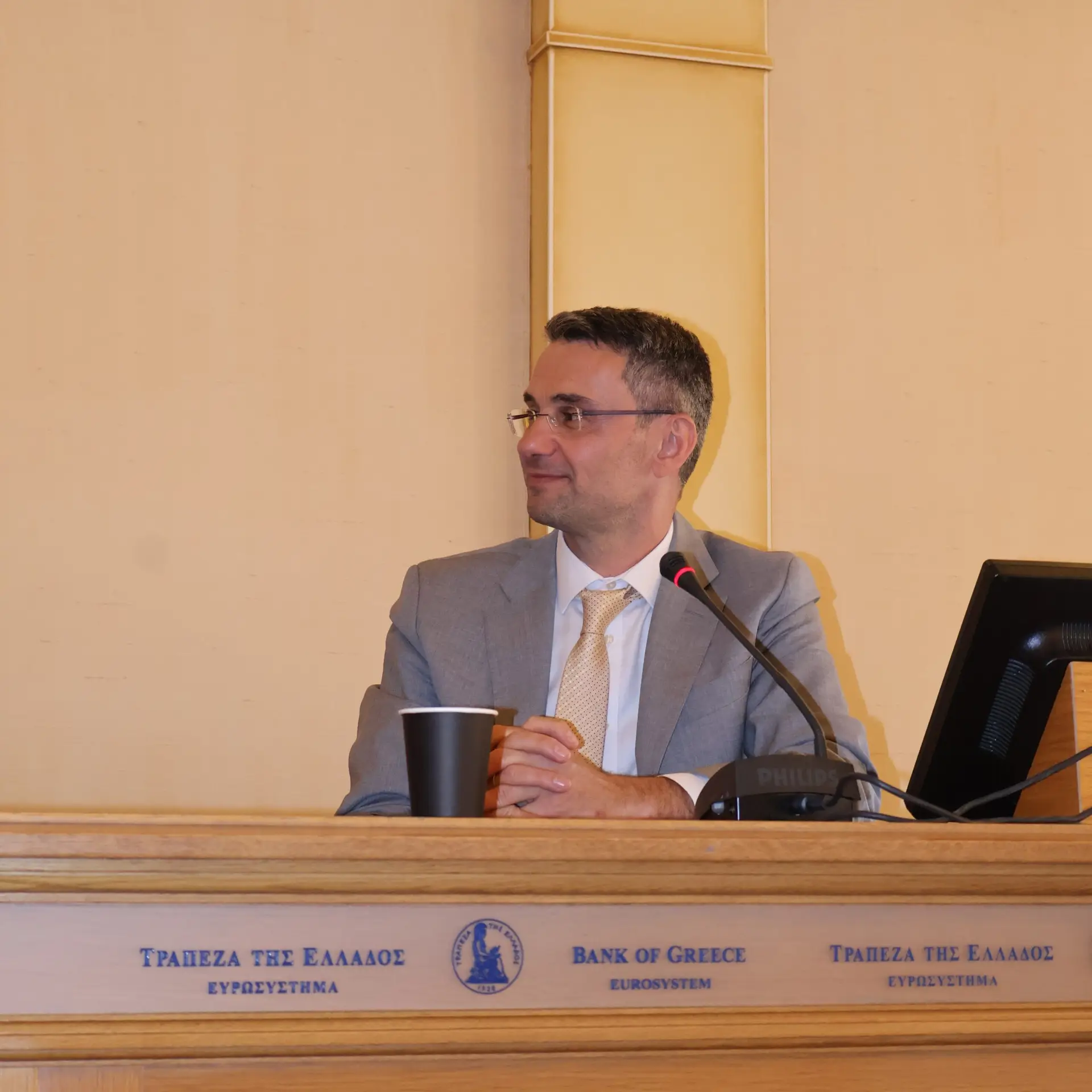
Mr. Spyridon Blavoukos examined the geopolitical developments reshaping the international landscape, raising a fundamental question: in an era of persistent instability and uncertainty, can discussions around ESG and climate objectives remain unaffected by broader geopolitical dynamics?
He argued that the European Union has historically tended to respond to crises rather than anticipate them, often learning and evolving through challenging circumstances, but frequently at a significant political and economic cost. In this context, he highlighted the shift from the optimistic outlook that characterised the early 2000s to a more pragmatic geopolitical environment, where Europe’s strategic autonomy increasingly depends on its ability to secure greater energy independence.
Particular attention was given to the growing fragmentation of the global technological landscape. Mr. Blavoukos referred to the emergence of distinct technological ecosystems, particularly in the field of AI, where competing regulatory approaches, standards, and innovation models are contributing to the creation of different “AI worlds.” At the same time, he noted the difficulties the European Union faces in absorbing the economic and political costs associated with a potential new era of geopolitical rivalry and systemic competition.
Concluding his remarks, he stressed that geopolitical instability has a direct impact on the prospects for sustainable development. For Europe, the central challenge lies in balancing three interconnected priorities: strengthening defence and security capabilities, achieving greater energy autonomy, and maintaining momentum towards the green transition. The ability to reconcile these objectives will play a defining role in shaping the European Union’s future resilience and competitiveness.
Ms. Katerina Paisiou explored the role of central banks in addressing climate-related risks, emphasizing that climate change and ESG considerations should not be viewed as separate or parallel activities within the banking sector. Instead, they are increasingly integrated into existing institutional functions, operational processes, and supervisory frameworks.
She highlighted that climate-related risks have direct implications for both price stability and financial stability, as they can affect the real economy, disrupt supply chains, influence asset valuations, and impact borrowers’ ability to meet their financial obligations. Within this context, she referred to the European Central Bank’s roadmap for integrating climate considerations into its strategy and operations, as well as the initiatives undertaken by the Bank of Greece through its Climate Change and Sustainability Centre.
Particular emphasis was placed on the supervisory dimension of climate risk management, including climate stress testing, enhanced transparency of investment portfolios, and the importance of managing the green transition in a balanced and effective manner. These challenges become even more significant in today’s environment of energy uncertainty, geopolitical tensions, and broader geoeconomic pressures.
Concluding her remarks, Ms Paisiou encouraged the student audience to view sustainability as a dynamic and multidisciplinary field offering substantial professional opportunities. Sustainability increasingly sits at the intersection of economics, finance, risk management, technology, and public policy, making it one of the most relevant and rapidly evolving areas for the next generation of professionals.
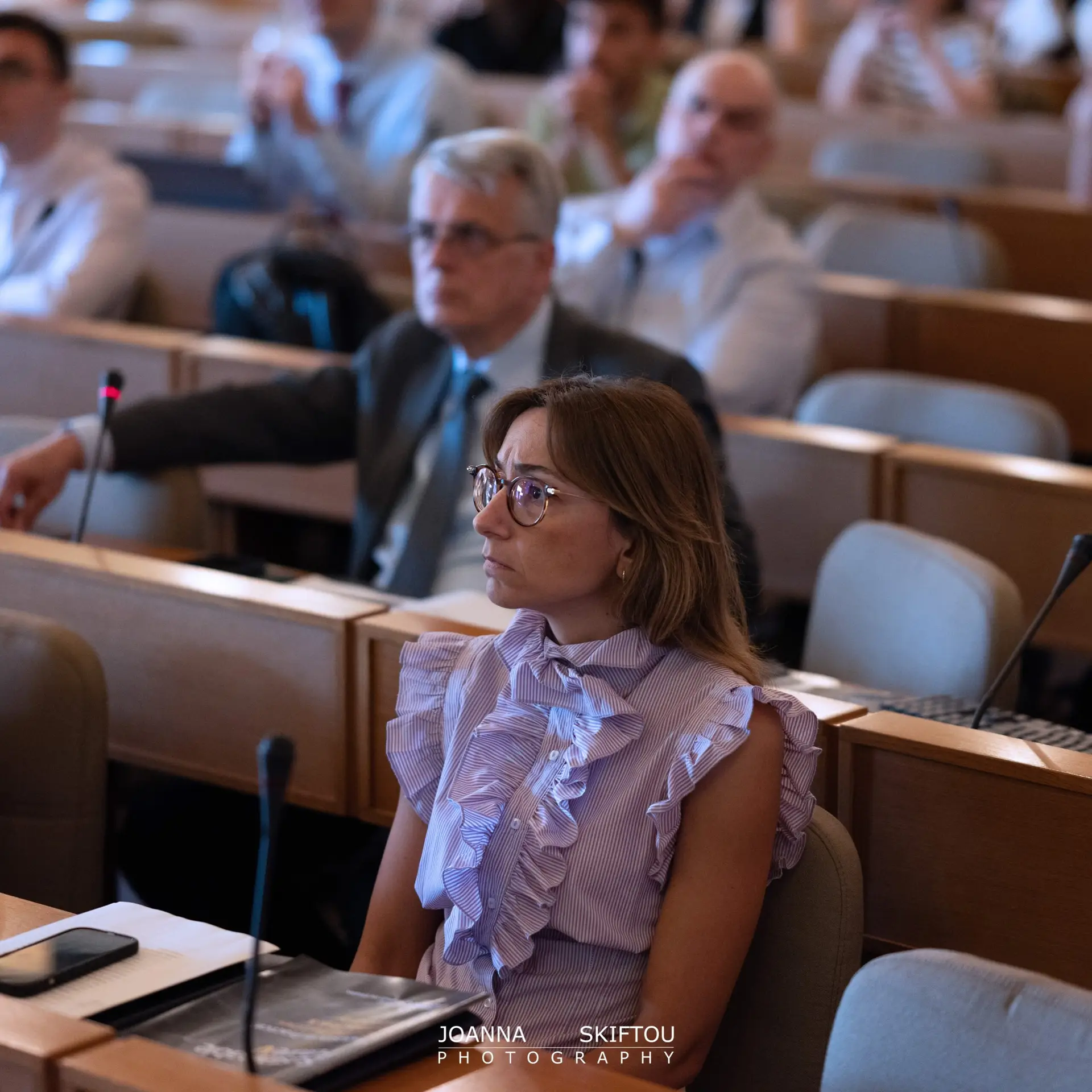


Mr. Dimitris Dimopoulos explored the role of banks in supporting the sustainable transition, highlighting that climate change and biodiversity loss have direct implications for economic activity and, consequently, for the financial system itself.
He stressed that addressing these challenges cannot rely solely on the voluntary commitment or environmental awareness of individual companies. Instead, meaningful progress requires a broader framework of incentives, expectations, and accountability. Within this context, banks play a pivotal role through their financing activities, influencing the direction of businesses and investment decisions while operating within a wider ecosystem that includes investors, supervisors, regulators, and international initiatives.
Particular emphasis was placed on the importance of internal collaboration within organisations. Sustainability, he noted, acts as a connecting force between Risk Management, Commercial Divisions, and other business functions, requiring cross-functional cooperation to be implemented effectively. He also underlined that sustainability discussions should not focus exclusively on environmental issues but should equally consider the social dimension, which remains a fundamental component of long-term sustainable development.
Concluding his remarks, Mr. Dimopoulos highlighted that the transition towards a more sustainable economy inevitably carries costs and requires close cooperation between the private and public sectors. Achieving meaningful change depends on balancing environmental and social objectives with economic realities. As he aptly noted, “without profitability, there can be no sustainability”.

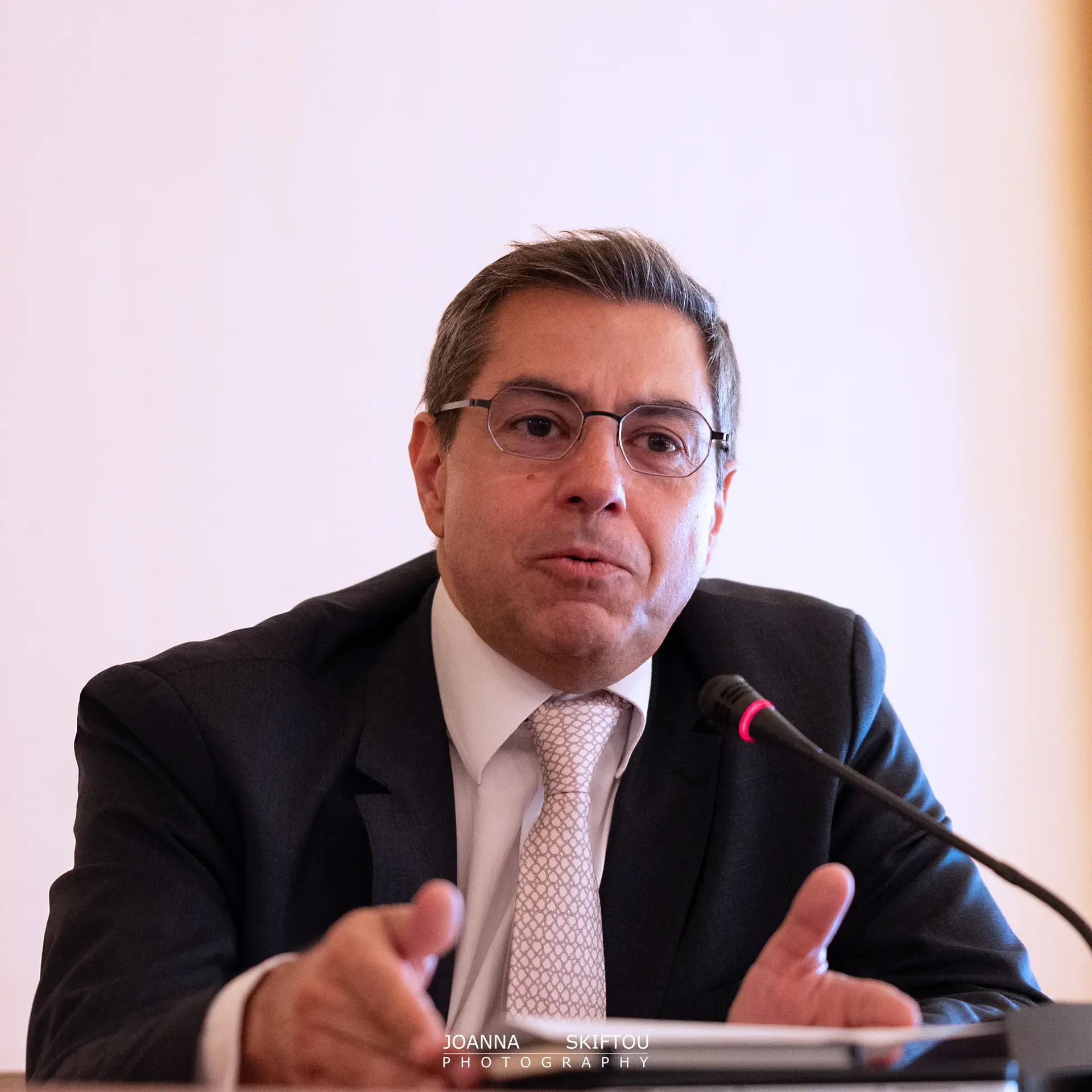
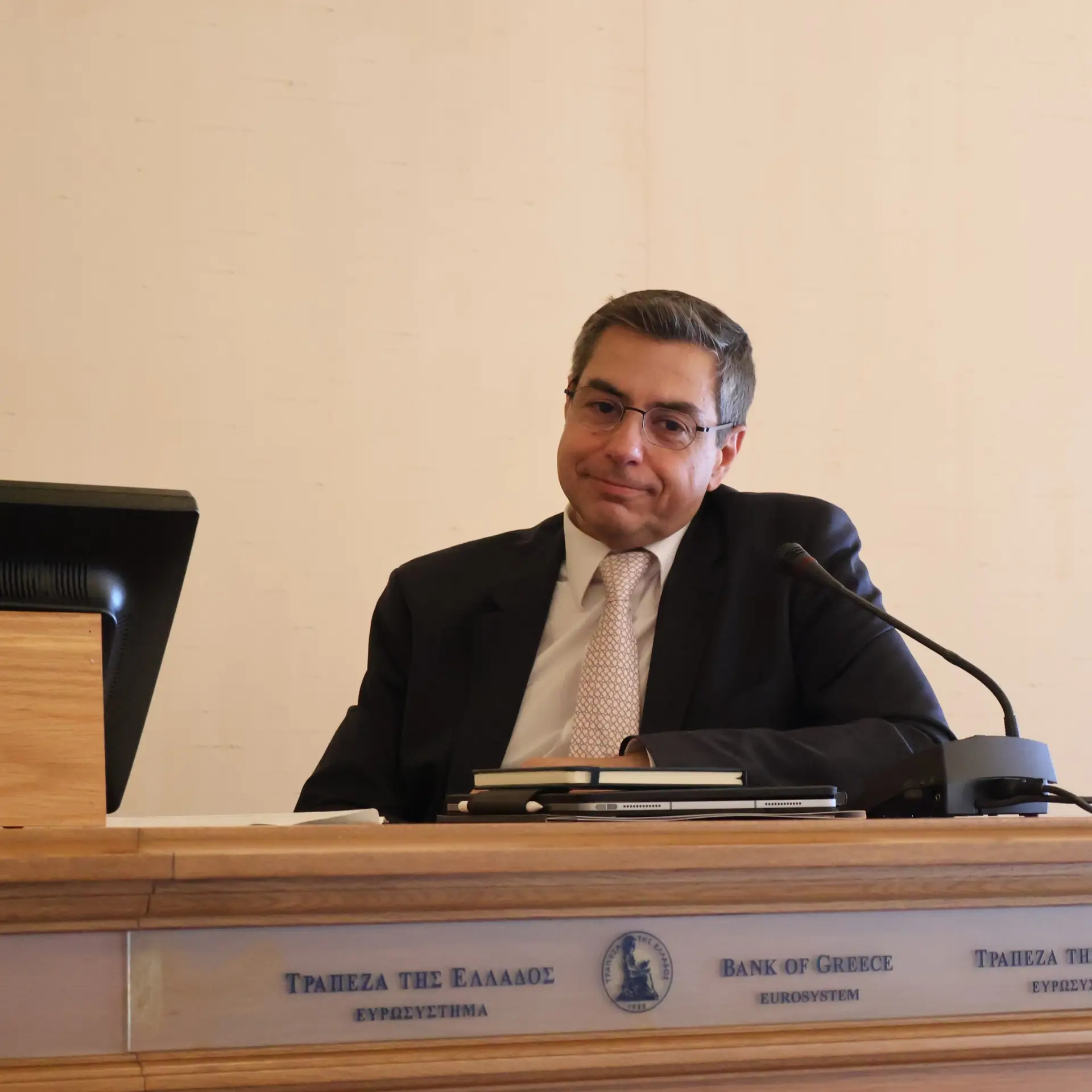
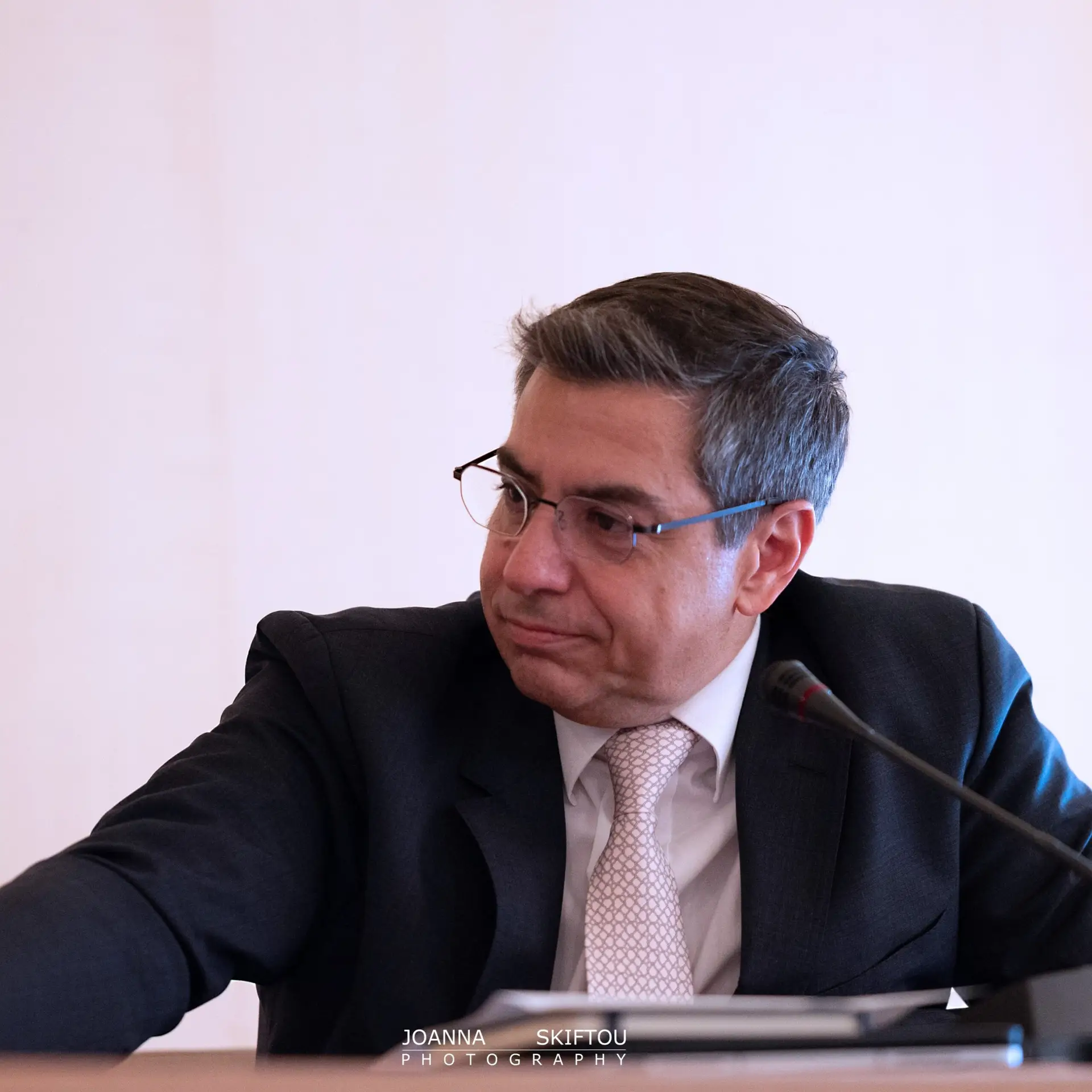
Ms. Dimitra Pallikari presented the three pillars of ESG, highlighting how each of them is closely linked to the way businesses operate and create long-term value, particularly within the banking sector.
Regarding the Environmental pillar, she discussed the management of environmental impacts, carbon emissions, and energy consumption, with particular reference to sectors such as manufacturing and shipping, where sustainability challenges and transition requirements are especially significant. Turning to the Social pillar, she emphasized the central role of people, covering topics such as diversity and inclusion, equal opportunities, fair remuneration, work-life balance, employee wellbeing, and continuous learning and development. Finally, within the Governance pillar, she highlighted the importance of transparency, regulatory compliance, ethical conduct, and effective oversight mechanisms.
Particular emphasis was placed on corporate governance, which, although often less visible than environmental or social initiatives, serves as the foundation that transforms commitments into measurable action. Governance connects strategy with day-to-day operations, strengthens accountability, and enhances the credibility and resilience of an organisation.
Concluding her remarks, Ms Pallikari noted that younger generations increasingly seek employers whose values align with their own. As a result, employer branding is no longer simply a recruitment tool but has become an important component of long-term sustainability, helping organisations attract, engage, and retain talent in an increasingly competitive environment.
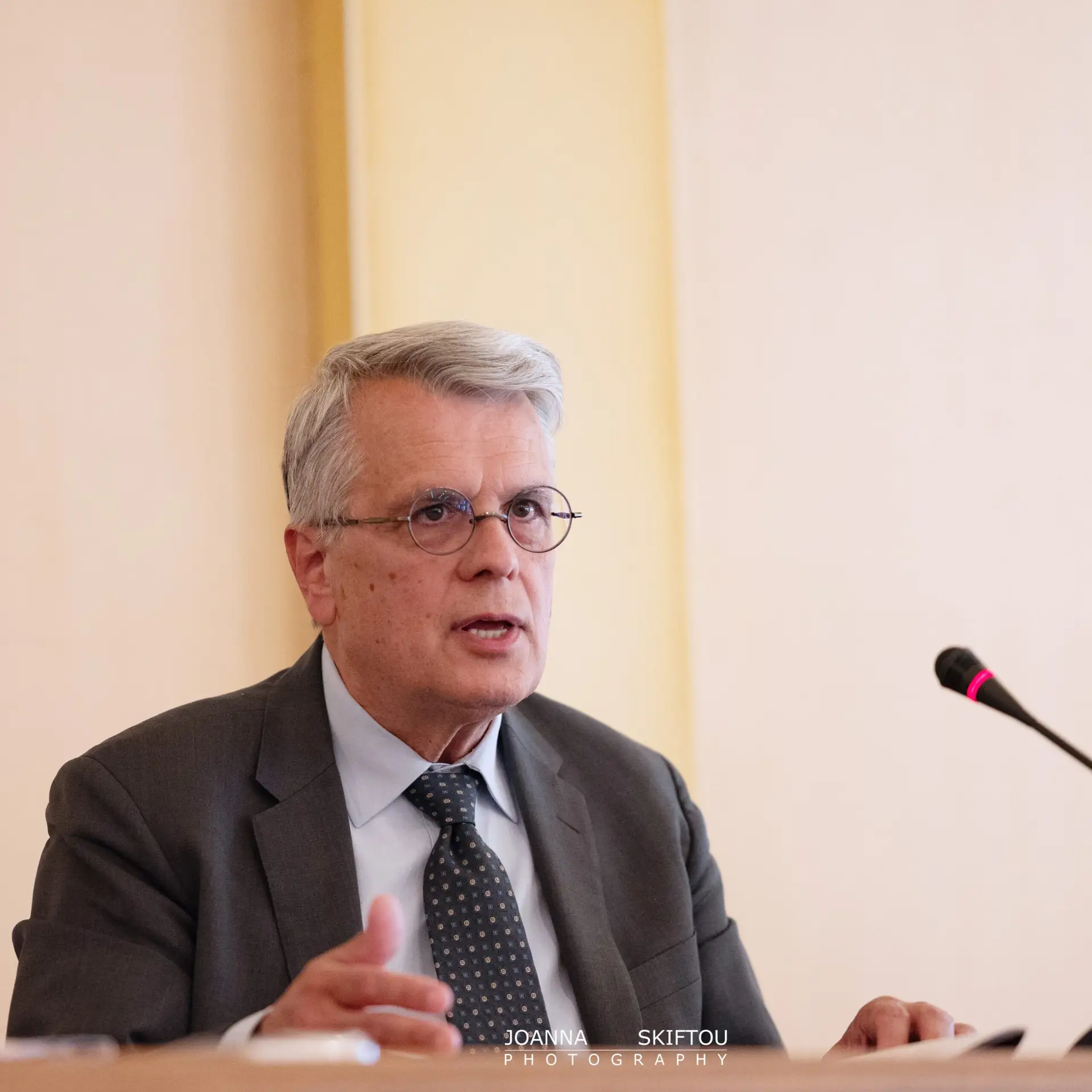

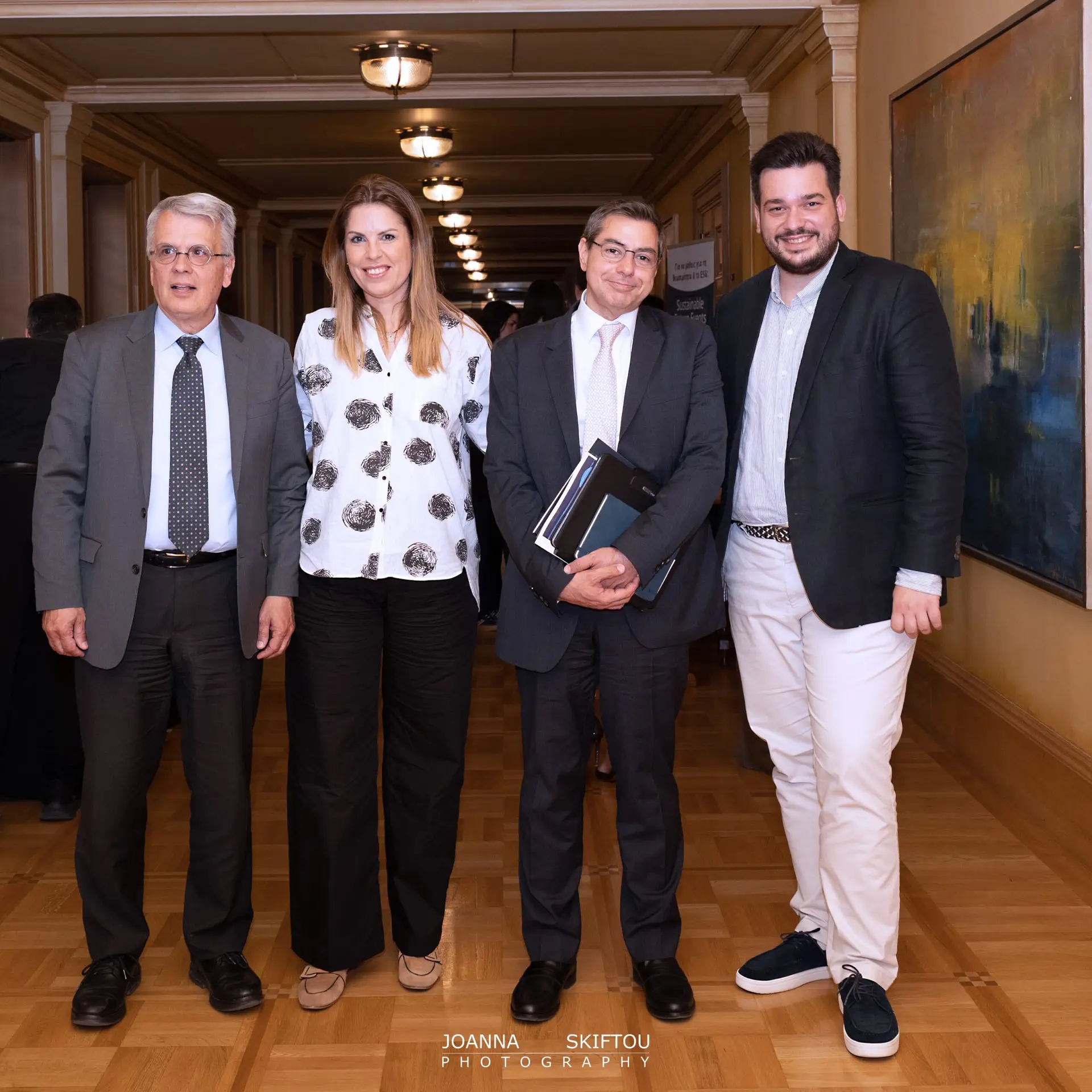
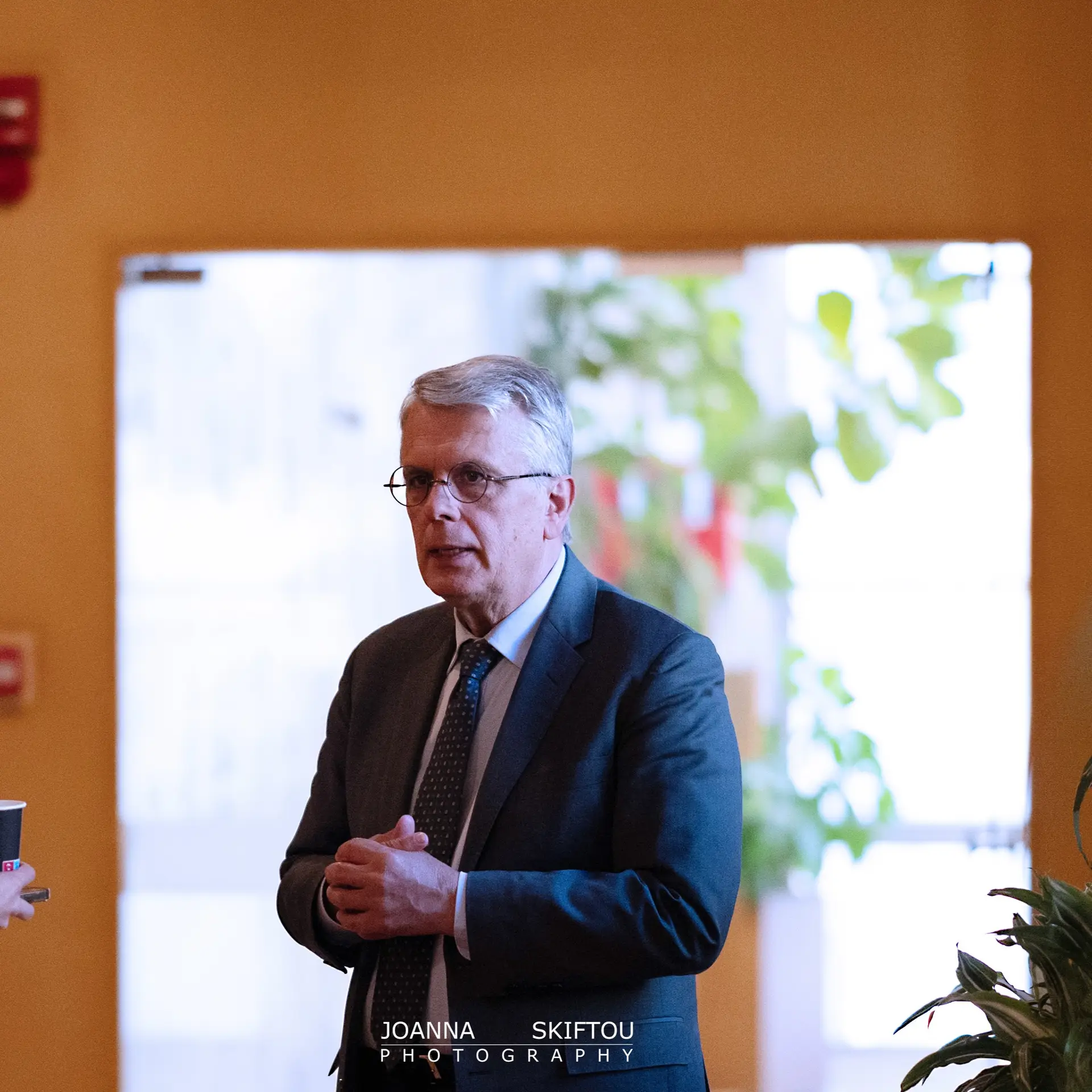
Mr. Dimitris Kazazoglou-Skouras examined the role of banks in financing the sustainable transition, emphasizing that economies around the world are gradually moving towards more sustainable models of growth and development. As a result, financial institutions have had to prepare proactively, both to support this transition through financing and to effectively manage the associated risks.
He noted that the growing availability of ESG data and the development of longer ESG data series increasingly point to a positive correlation between strong ESG performance and business resilience. At the same time, he stressed that sustainability-related data, technologies, and market conditions continue to evolve rapidly. Solutions that may appear costly or commercially challenging today could become economically viable and widely adopted in the future.
Particular emphasis was placed on the role of banks as risk managers rather than regulators. Banks do not set sustainability rules or policies; instead, they have a responsibility to assess and manage risks responsibly while supporting their clients through guidance, expertise, and financing solutions. Within this context, ESG considerations are expected to become progressively integrated into traditional credit assessment and risk evaluation frameworks.
Concluding his remarks, Mr. Kazazoglou-Skouras highlighted the importance of adaptability and continuous learning. As sustainability-related expectations, technologies, and regulatory requirements evolve on a daily basis, professionals and organisations alike must remain agile and committed to ongoing development in order to navigate the transition successfully.

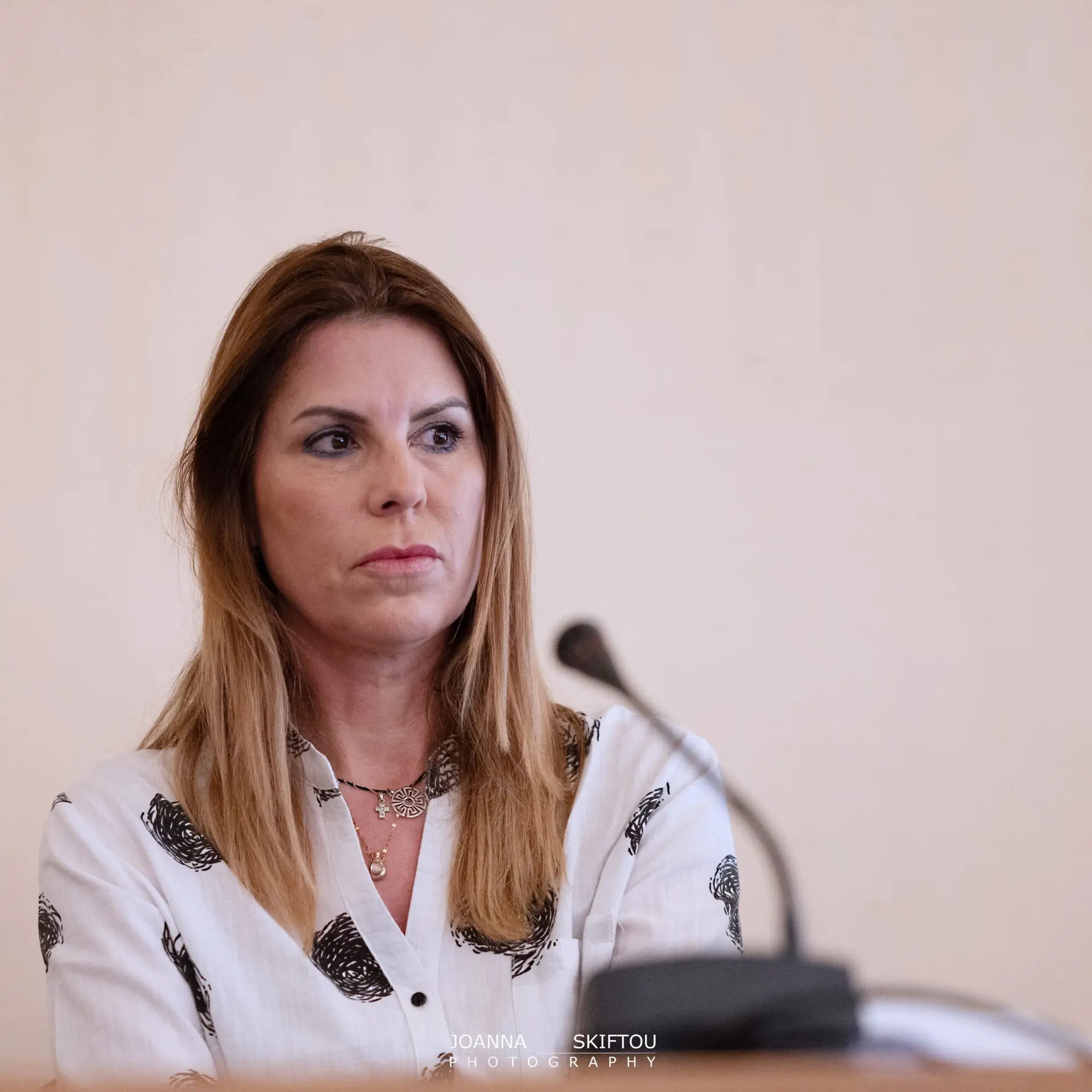

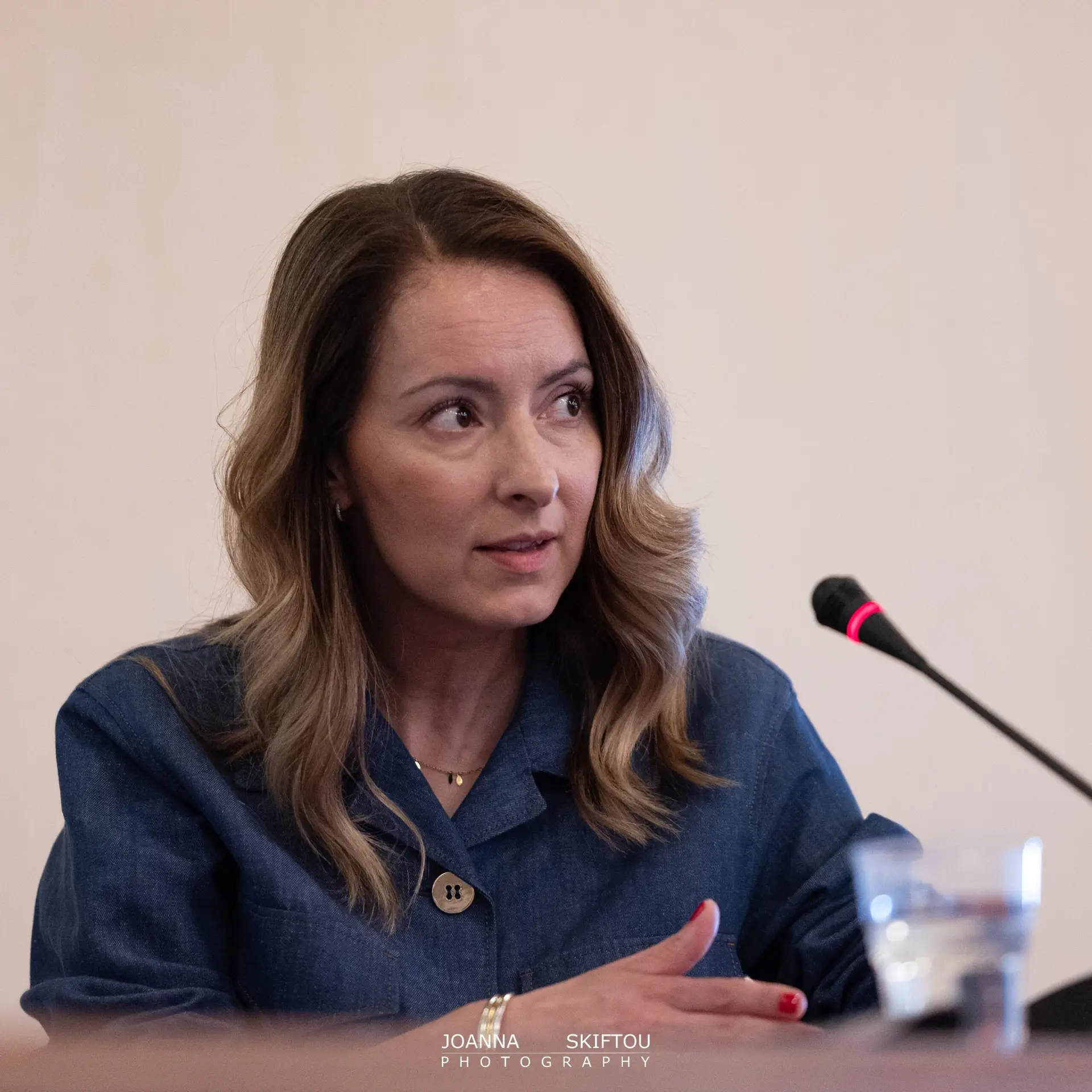

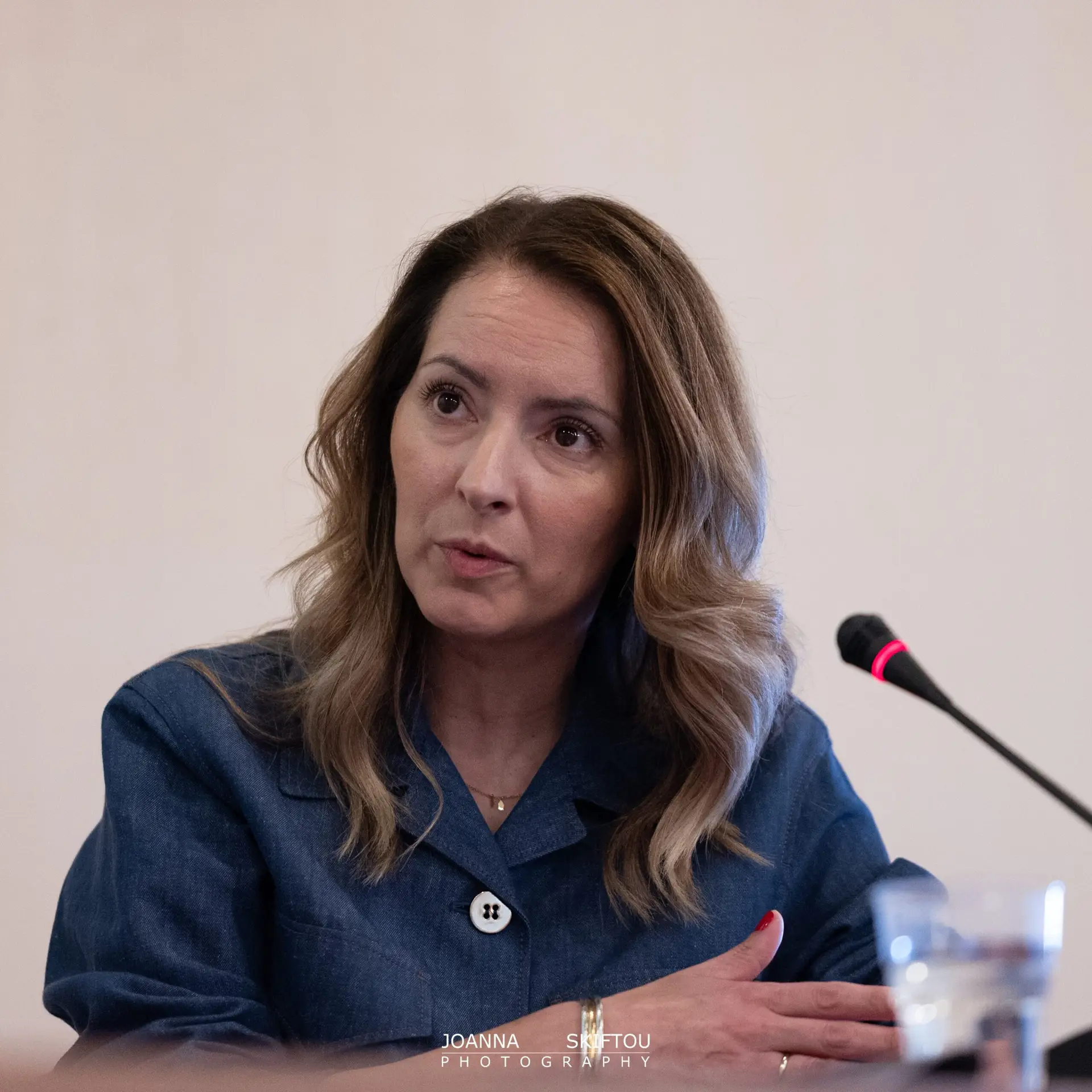
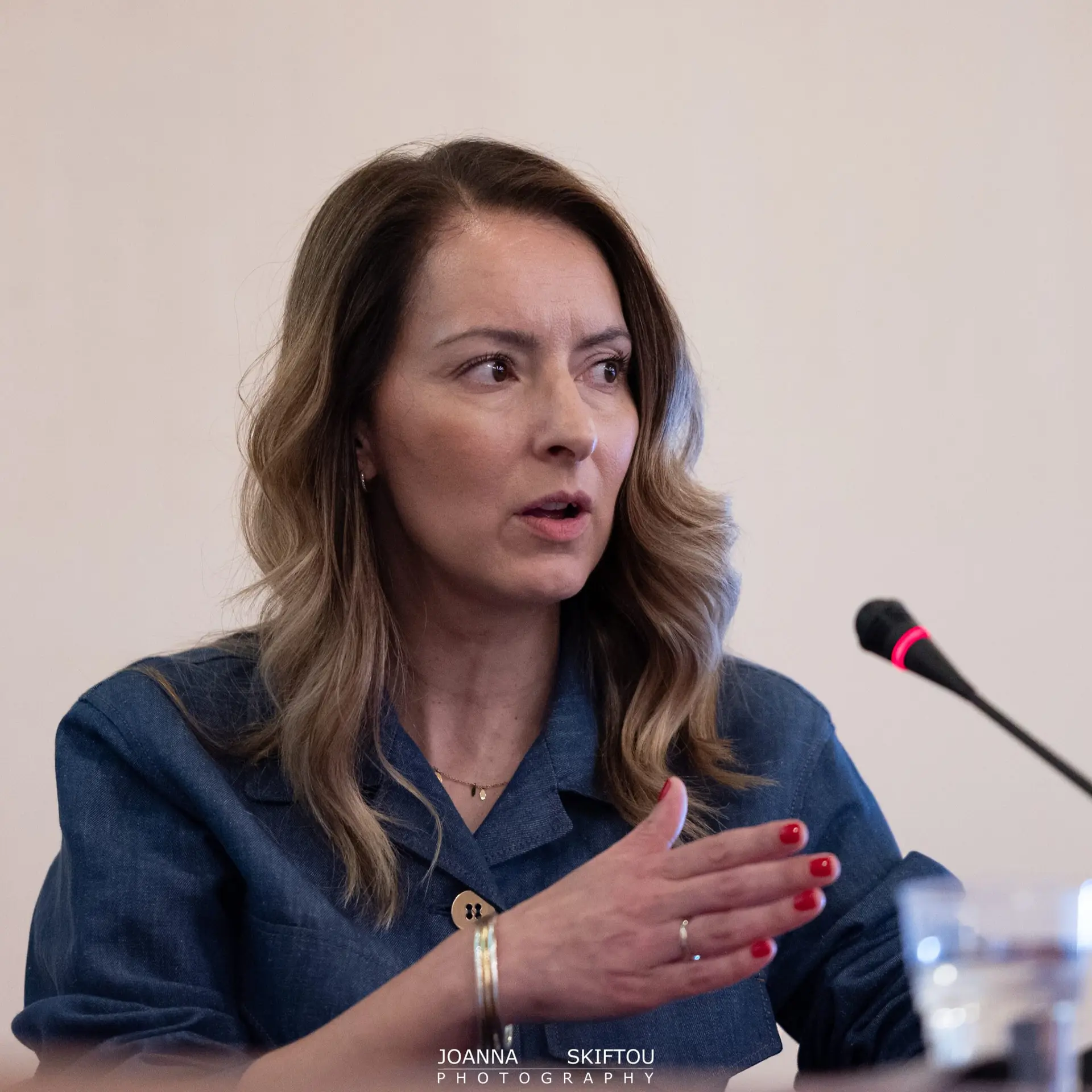
Ms. Christina Tsironi explored the role of sustainability consulting in driving business transformation, emphasizing that sustainability extends far beyond regulatory compliance. Rather than being treated as a reporting exercise, ESG is increasingly evolving into a holistic business strategy that shapes decision-making, risk management, and long-term value creation.
She highlighted the importance of multidisciplinary teams, drawing on the example of her team at Grant Thornton, where professionals from diverse academic and professional backgrounds collaborate to identify clients’ needs and assess both the economic and climate-related impacts of their operations. This combination of expertise enables organisations to better understand risks, opportunities, and the strategic implications of sustainability-related issues.
According to Ms. Tsironi, a key objective of sustainability consulting is helping organisations move beyond compliance-driven reporting and towards the creation of tangible business value. Achieving this transition requires building trust-based relationships with senior management as well as with different departments across the organisation, ensuring that sustainability becomes embedded within business processes rather than remaining a standalone function.
She also noted that AI has the potential to significantly enhance productivity and support decision-making processes. However, she stressed that technology cannot replace human judgement, accountability, and responsibility, which remain essential components of effective corporate governance and sustainable business leadership.
Concluding her remarks, Ms Tsironi underlined that future sustainability professionals must develop both strategic thinking and a multidisciplinary mindset. As ESG continues to shape business models, investment decisions, and corporate priorities, sustainability is becoming a permanent driver of organisational transformation rather than a temporary trend or regulatory requirement.
Ms. Maria Anastasopoulou explored the relationship between ESG and Sustainability, emphasizing that sustainability represents the broader overarching concept, while ESG serves as a practical framework that translates sustainability into measurable indicators, KPIs, and concrete objectives.
She stressed that ESG should not be reduced to a compliance exercise or a communication tool. Instead, meaningful progress requires transparency, accountability, and the genuine integration of sustainability principles into the strategies of businesses, institutions, and universities. At the same time, she highlighted that sustainable consumption should not be framed solely as an individual responsibility, as consumer choices are often influenced by economic constraints and broader systemic factors that require collective solutions.
Particular attention was given to the paradox of fast fashion. Despite being one of the most informed and sustainability-aware generations, Gen Z remains heavily exposed to patterns of overconsumption, driven by social media influence, rapidly changing trends, and the accessibility of low-cost products. This contradiction, she argued, illustrates the complexity of translating sustainability awareness into everyday behaviour.
Ms. Anastasopoulou also emphasized the importance of embedding sustainability more meaningfully into education. Rather than being taught as an abstract concept, sustainability should be integrated across disciplines and connected to real-world applications, enabling students to understand its relevance regardless of their academic or professional background.
Concluding her remarks, she underlined that youth organisations have a responsibility to embody the values they promote. Transparency, inclusion, participation, and collective accountability should not merely be discussed but actively implemented within the governance and day-to-day operations of youth-led initiatives

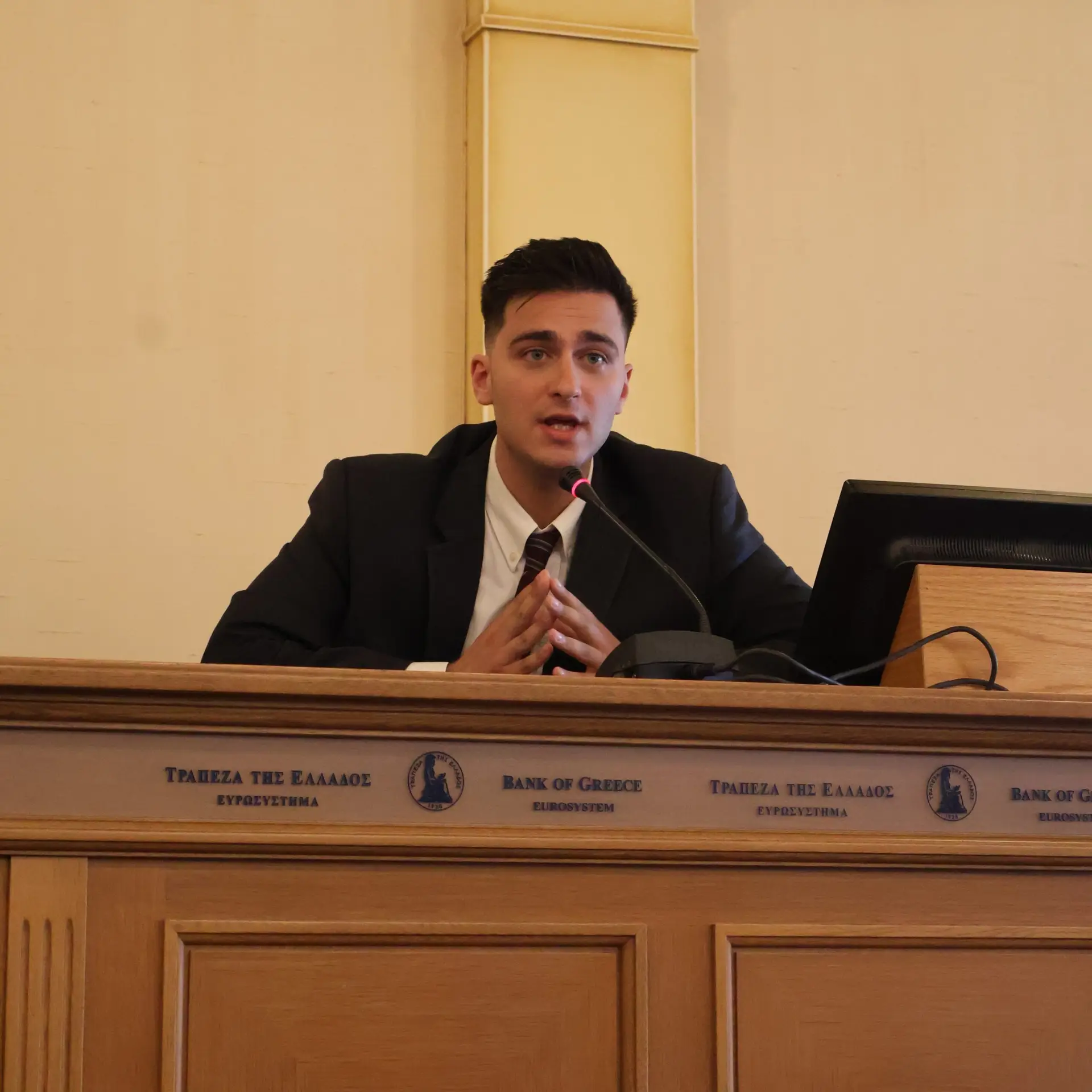
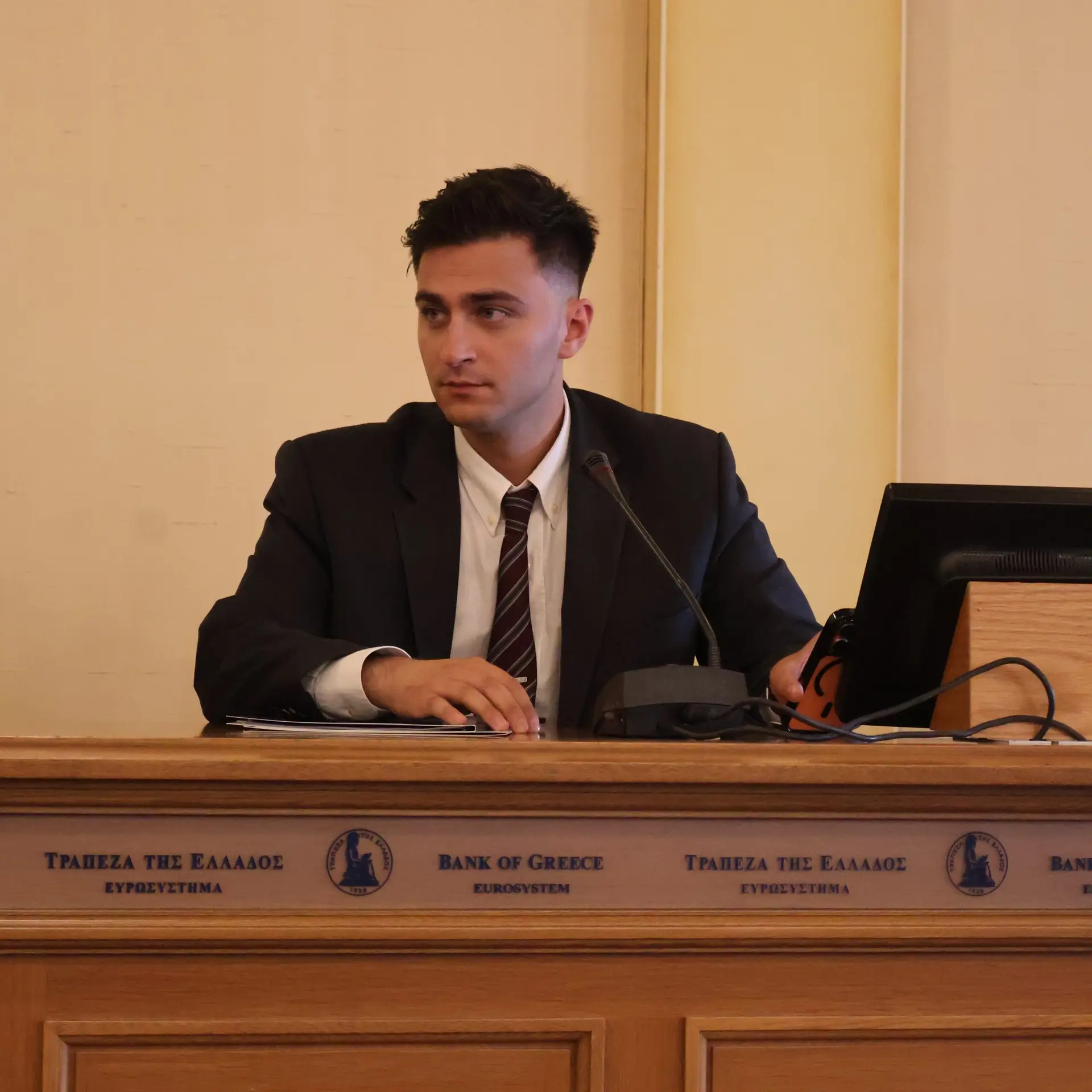


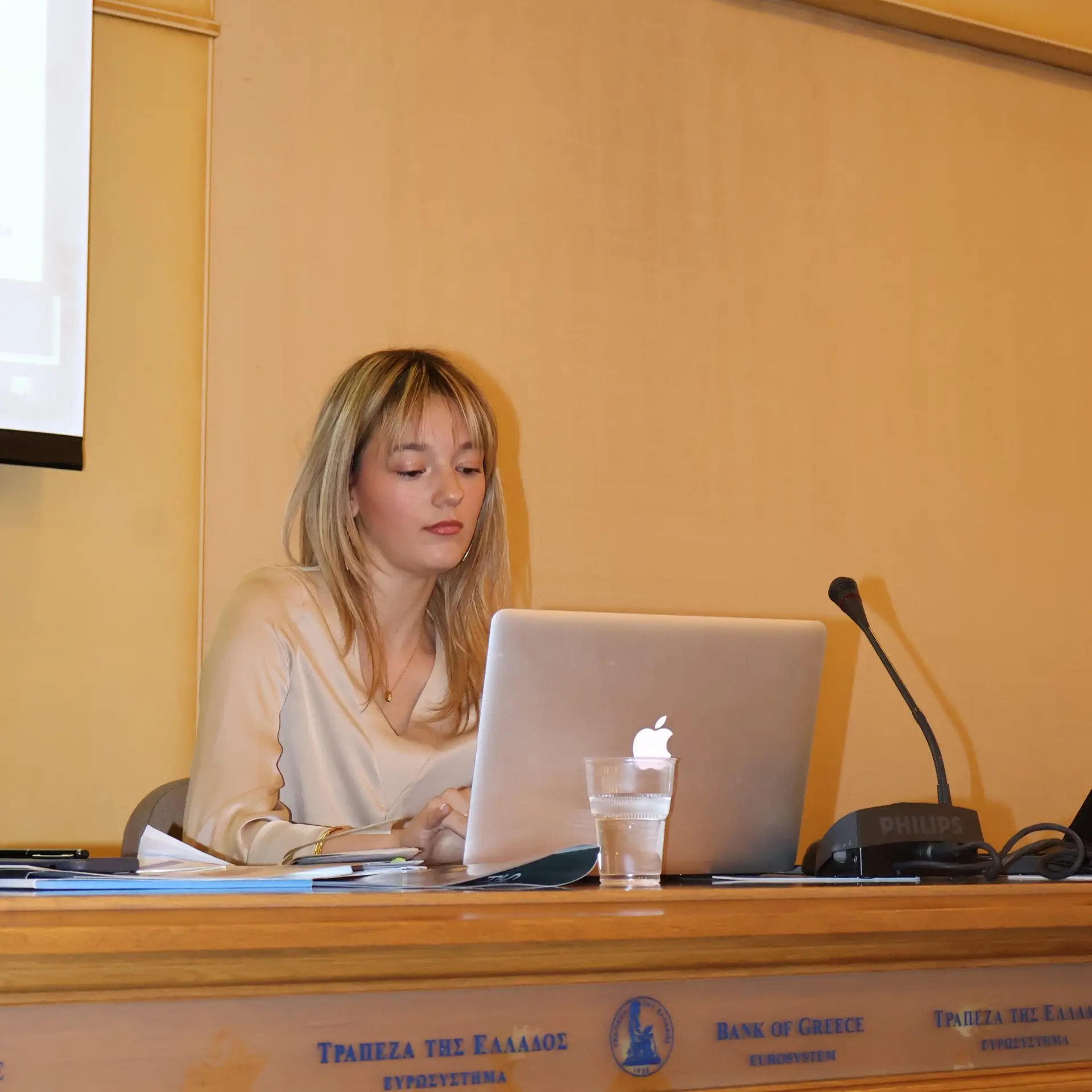
Mr. Spyros Nousis explored the relationship between sustainability, ESG, and the perspective of Generation Z, emphasizing that sustainability represents the ultimate objective, while ESG serves as the framework through which progress towards that objective can be measured, assessed, and communicated.
He noted that metrics, indicators, and reporting mechanisms are essential for transparency and accountability. However, they are insufficient when used primarily as tools for promotion rather than as drivers of meaningful change. Within this context, he highlighted the risks associated with greenwashing and stressed the need for a holistic approach to sustainability—one that extends beyond reporting and encompasses production processes, supply chains, social impacts, and the responsible use of natural resources.
Particular emphasis was placed on the relationship between individual and collective responsibility. While consumers are often encouraged to make sustainable choices, such options frequently remain more expensive or less accessible, especially for younger generations. The example of fast fashion was used to illustrate the gap that can exist between environmental awareness and everyday consumer behaviour, demonstrating that knowledge alone does not always translate into action.
Concluding his remarks, Mr. Nousis argued that sustainability should increasingly be viewed as a core professional competency rather than a specialised niche. He also highlighted the potential of Generation Z to strengthen governance practices through greater transparency, inclusiveness, participation, and a commitment to realistic and continuous improvement. In this way, younger generations can play an active role in shaping more accountable and sustainable organisations.