Training Day serves as the inaugural day of the annual ECB Simulation Conference for university students, where distinguished representatives from institutions, businesses, and academia share their knowledge and experiences with the participants.
The Training Day for the 9th Conference took place at the Bank of Greece on November 21, 2024.
The key themes of the Conference were:
The 9th Conference was made possible thanks to the invaluable support of the Bank of Greece, the Hellenic Bank Association, Dialectica, Piraeus Bank, Bernitsas Law, and the Athens University of Economics and Business.
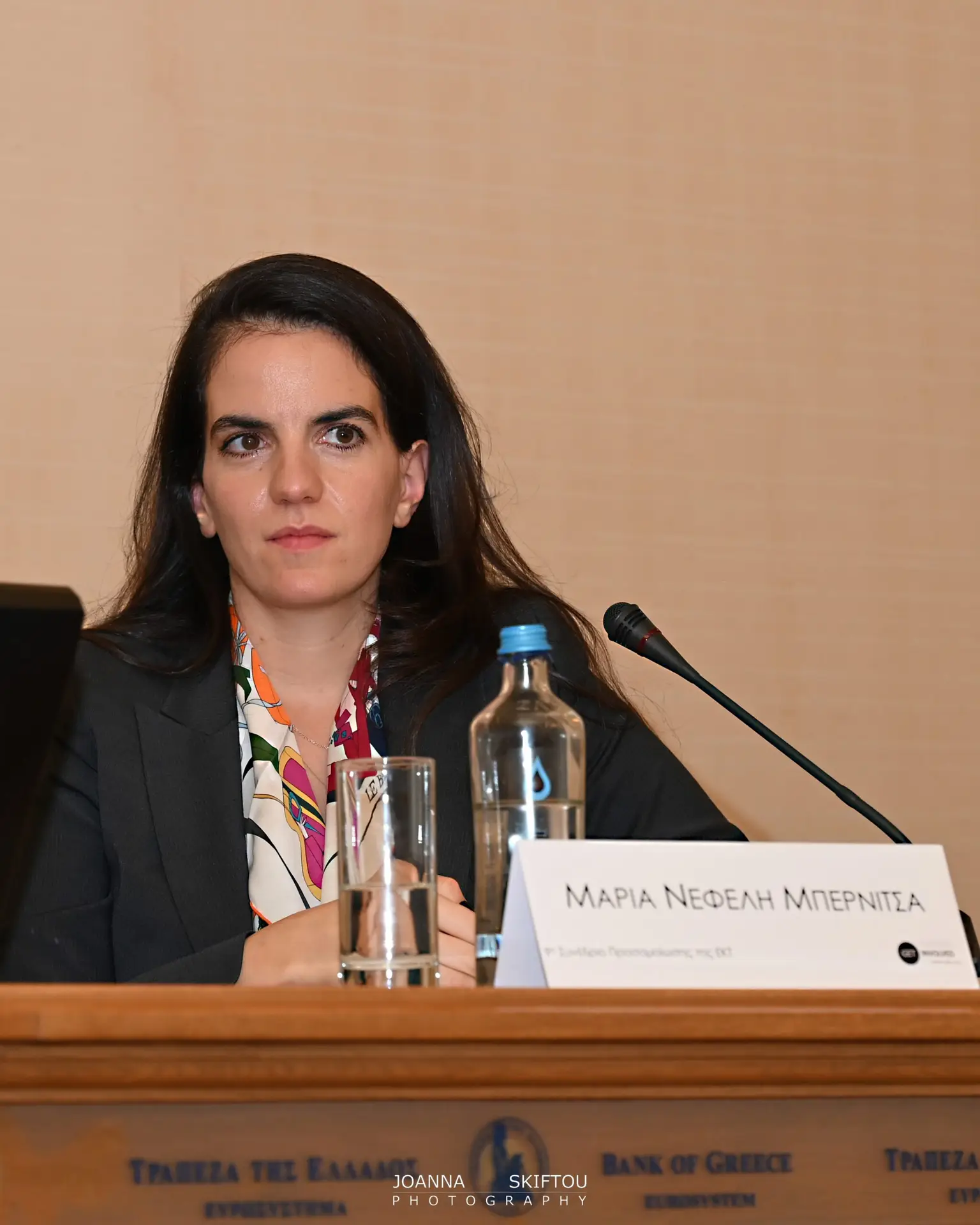
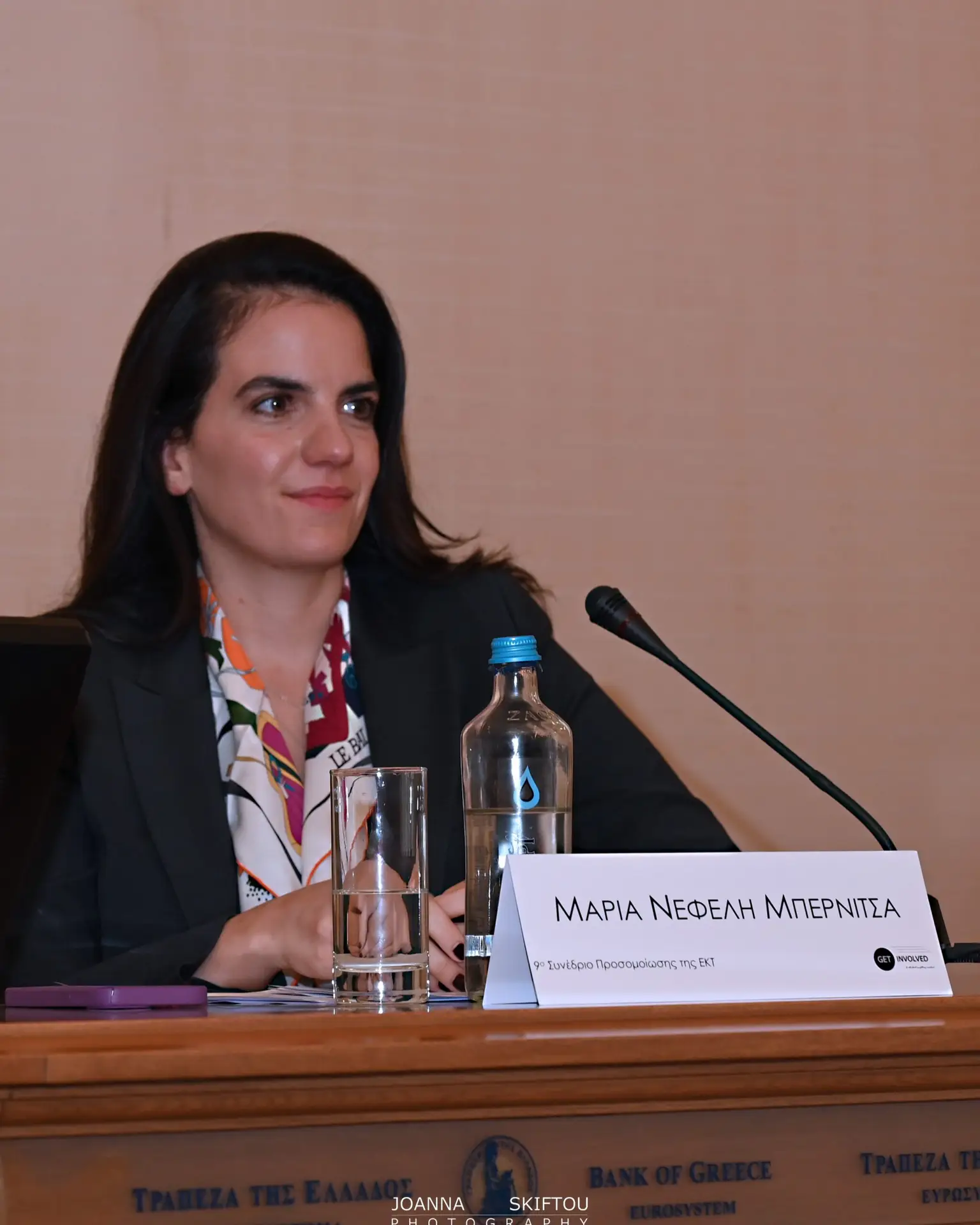
Here, we highlight the positions of the speakers during the welcoming speeches. We are greatly honoured to have speakers such as Mr. Dimitrios Dimopoulos, Head of ESG, Piraeus Bank and Ms. Maria Nefeli Bernitsa, Partner Bernitsas Law
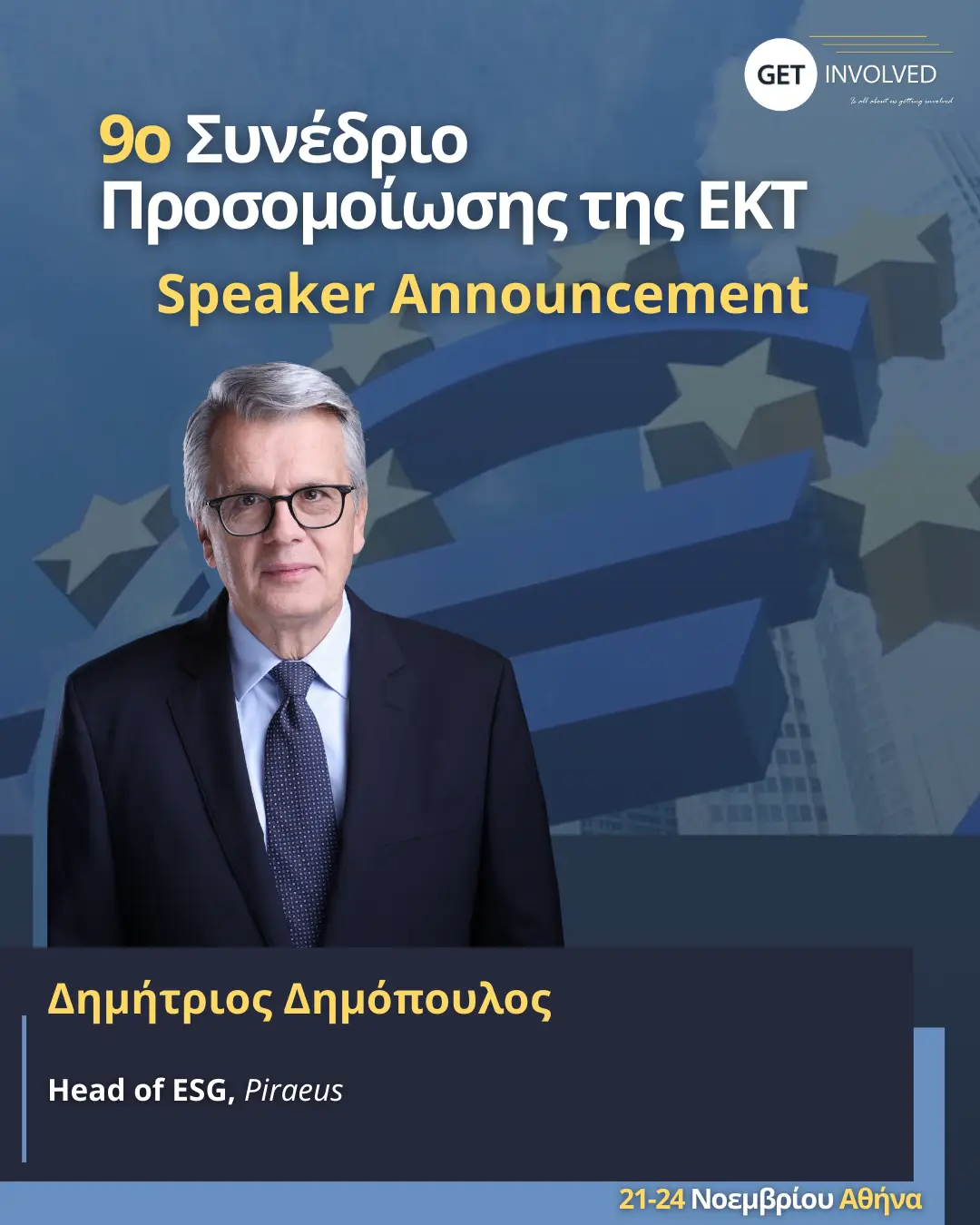

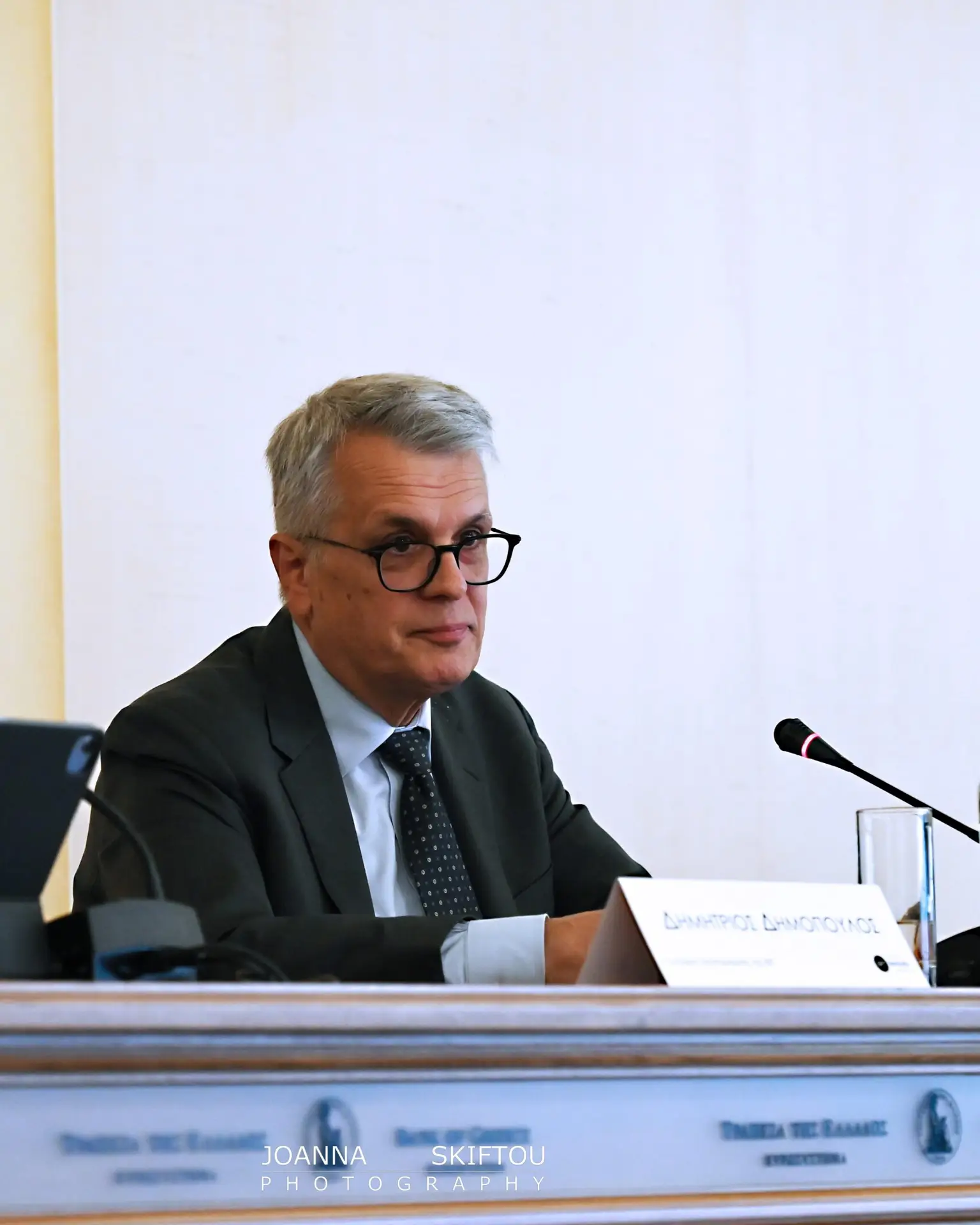
Opening the third discussion panel, Mr. Dimitrios Dimopoulos stressed that sustainability in the banking sector—and beyond—is not optional but a matter of survival. European legislation is evolving in response to rising climate risks, imposing transparency and disclosure rules that increasingly affect even companies without formal compliance obligations.
He noted that a company’s value is no longer defined solely by its financial results. ESG criteria are now essential risk-assessment tools, indicating how well-structured, healthy, and resilient a firm is. Initiatives such as the Network for Greening the Financial System (NGFS) guide banks in managing environmental and climate risks.
Mr. Dimopoulos discussed greenhushing, where companies implement sustainability actions but avoid communicating them due to uncertainty or fear of criticism. He noted that the transition requires societal engagement and that policies must be implemented at a pace allowing smooth adjustment.
He closed by emphasizing that social welfare is the ultimate objective; competitiveness and profitability are necessary but not sufficient for a fair, effective transition.
Ms. Maria-Nefeli Bernitsa provided a concise overview of the European and national sustainability framework, highlighting the lack of legal literacy as a major barrier. She outlined the evolution of ESG over the last 20 years—from the introduction of the term, to the Paris Agreement, to the EU Taxonomy, the first real attempt to define what constitutes a “sustainable activity”. Together with SFDR and CSRD, these frameworks create unified transparency standards. In Greece, the 2022 Climate Law introduced obligations such as requiring one-third of corporate vehicles to be zero-emission by 2026.
She noted that for many companies, compliance still feels like “box-ticking” due to the volume of obligations and time pressure. Nonetheless, market demand is real—especially for green loans—and banks differ significantly in their level of preparedness.
She also pointed to supervisory challenges: the need for complete and reliable data, detecting greenwashing risks, and the debate around potentially expanding the role of independent authorities. The system, she noted, is self-correcting, but meaningful compliance will strengthen only when sanctions are effectively enforced.