
Training Day serves as the inaugural day of the annual ECB Simulation Conference for university students, where distinguished representatives from institutions, businesses, and academia share their knowledge and experiences with the participants.
The Training Day for the 9th Conference took place at the Bank of Greece on November 21, 2024.
The key themes of the Conference were:
The 9th Conference was made possible thanks to the invaluable support of the Bank of Greece, the Hellenic Bank Association, Dialectica, Piraeus Bank, Bernitsas Law, and the Athens University of Economics and Business.
Here, we highlight the positions of Mr. Gabriel Glöckler, Principal Adviser, Directorate General Communications, European Central Bank, during his Keynote speech on “Trust in the Digital Era: The ECB’s Communication Strategy”.

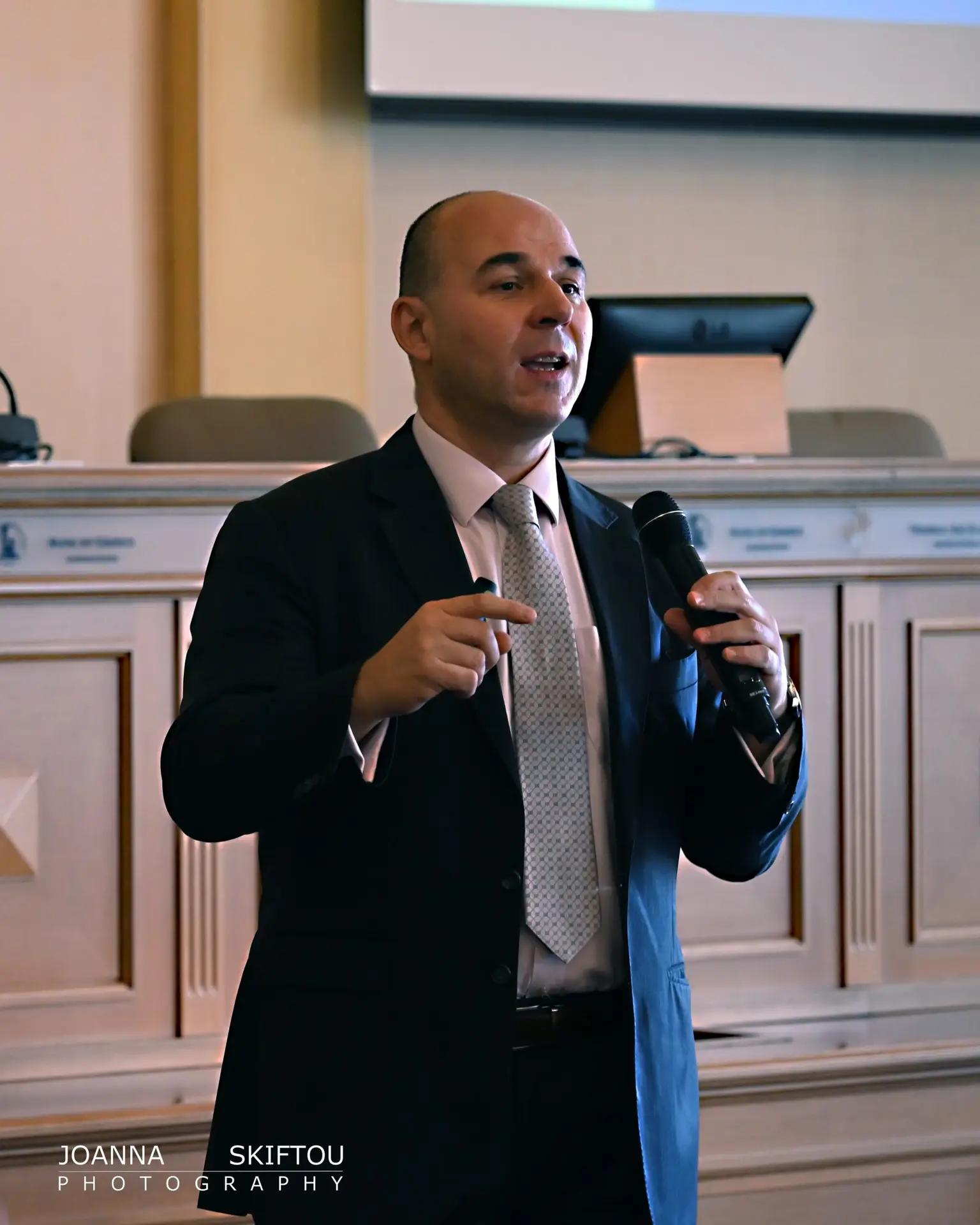
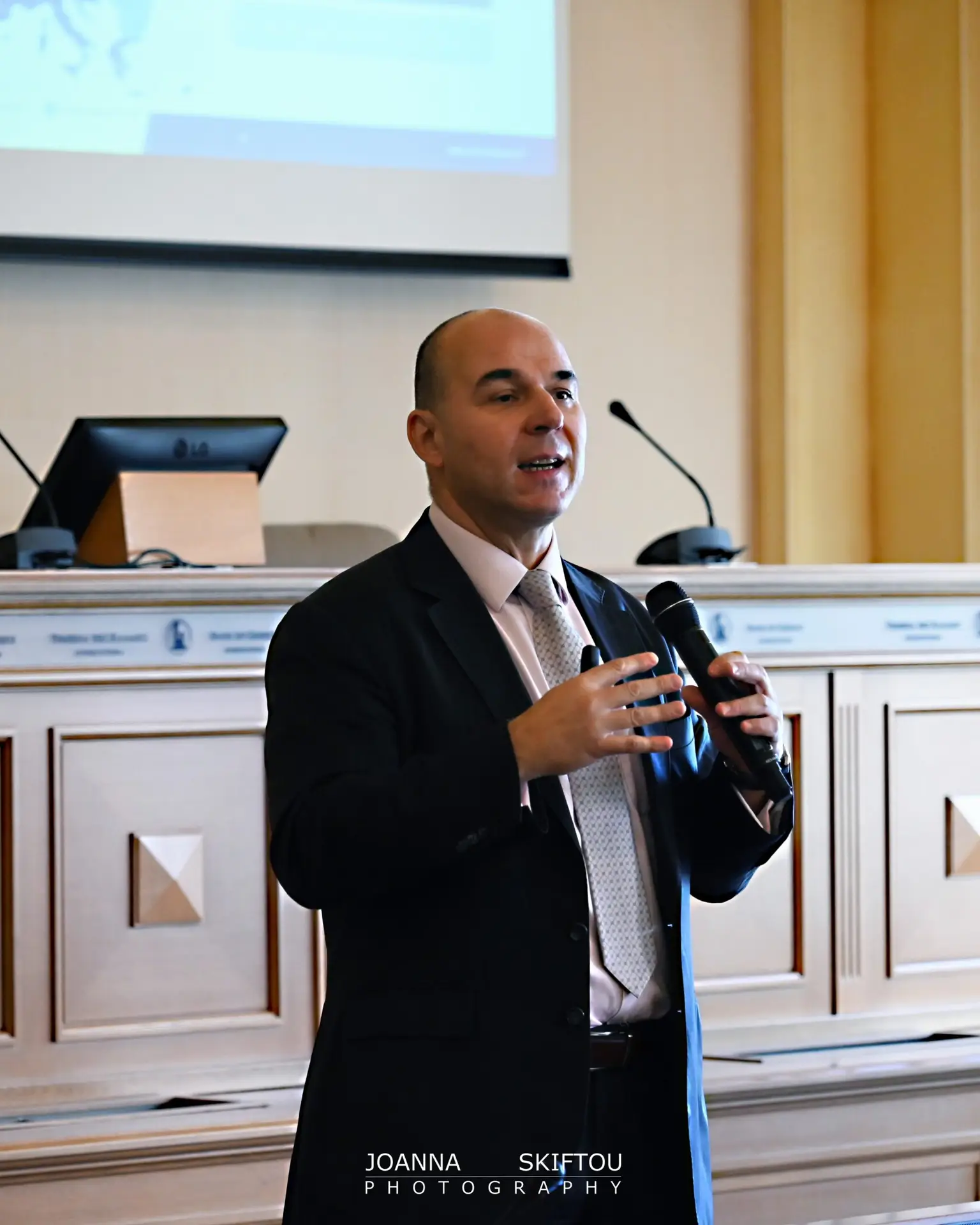
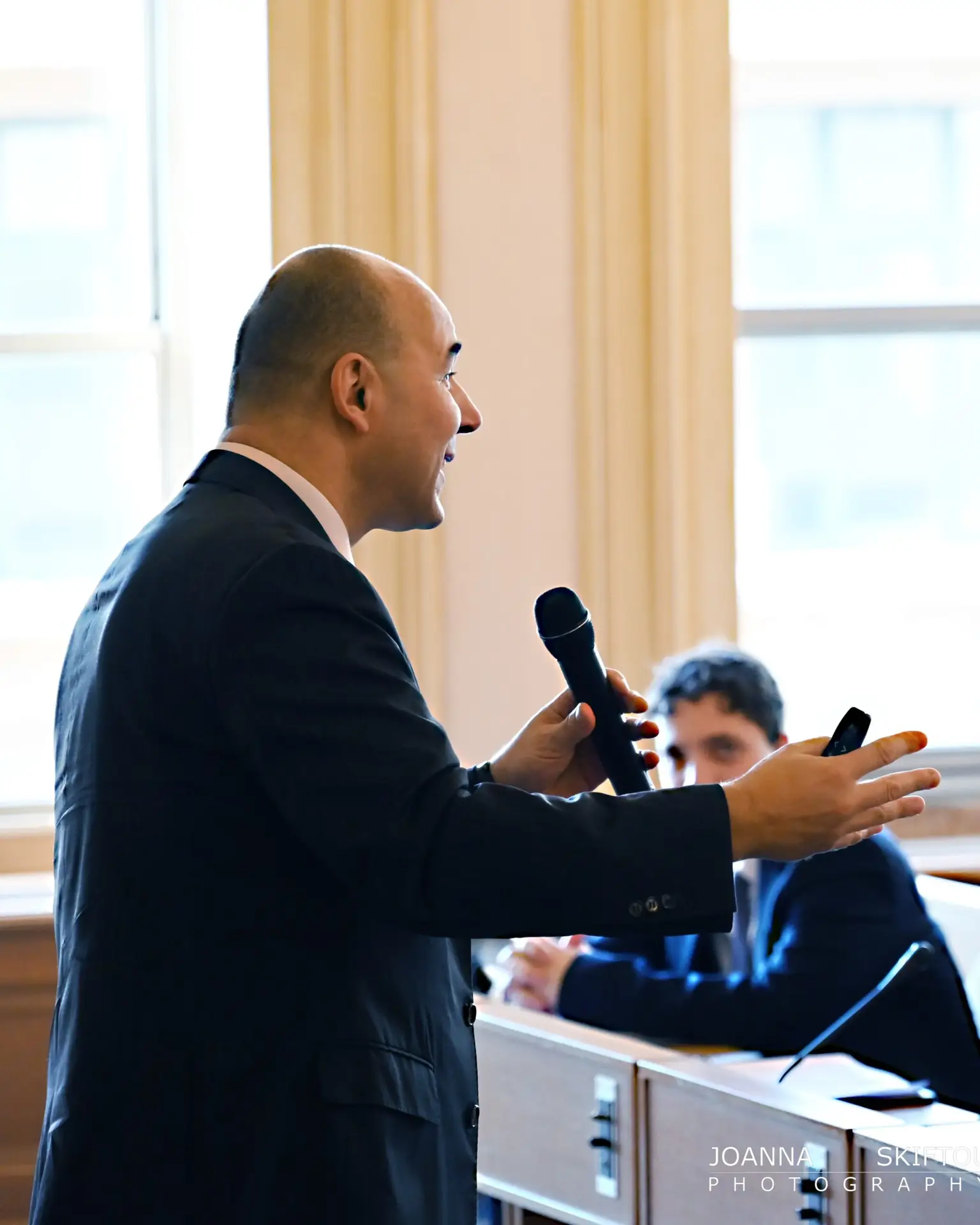
In his address, Mr. Gabriel Glöckler stressed that trust is the ECB’s most important asset and a prerequisite for effective monetary policy. Communication, he stressed, is not an auxiliary tool but an important pillar of policymaking, as the euro rests on shared understanding and acceptance of its value.
Mr. Glöckler highlighted that central banks can no longer rely on communicating using highly technical language; clarity and accessibility are now essential, tailored to different countries, cultures, and levels of financial literacy. The abundance of available—but not always reliable—information makes it necessary to simplify messages without oversimplifying.
Mr. Glöckler noted that the ECB is investing in new forms of communication—short formats, visual explanations, and content for social media—to clarify “what a decision means for the citizen.” Responding to audience questions, he argued that artificial intelligence improves real-time monitoring of developments and helps adapt messages to different audiences, leading to more targeted communication.