Σύνοψη της Training Day του 6ου Συνέδριου Προσομοίωσης της ΕΚΤ

Η Training Day αποτελεί την πρώτη ημέρα του εκάστοτε Συνεδρίου Προσομοίωσης της Ευρωπαϊκής Κεντρικής Τράπεζας για φοιτητές, όπου διακεκριμένοι εκπρόσωποι των θεσμών, των επιχειρήσεων και της ακαδημαϊκής κοινότητας μοιράζονται τις γνώσεις και εμπειρίες τους με τους συμμετέχοντες.

Η Training Day του 6ου Συνεδρίου πραγματοποιήθηκε στη Τράπεζα της Ελλάδος στις 9 Δεκεμβρίου 2022.  Οι εξεταζόμενος θεματικές του Συνεδρίου ήταν:

  • Μηχανισμός Μετάδοσης Νομισματικής Πολιτικής
  • Πληθωρισμός (Είδη, Μορφές, Συνιστώσες, Ιστορικά Δεδομένα και προβλέψεις)
  • Η συσχέτιση Δημοσιονομικής και Νομισματικής Πολιτικής στην περίοδο της πανδημίας και των γεωπολιτικών εξελίξεων
  • Central Bank Digital Currency και Ψηφιακό Ευρώ

Το 6ο Συνέδριο δεν θα ήταν εφικτό χωρίς την πολύτιμη υποστήριξη των Τράπεζας της Ελλάδος, Εθνική Τράπεζα της Ελλάδος, Alpha Bank, Ελληνική Ένωση Τραπεζών, της Ένωσης Εταιρειών Διαχείρισης Απαιτήσεων από Δάνεια και Πιστώσεις και το Π.Μ.Σ. Διεθνείς Διαπραγματεύσεις του Ο.Π.Α.

Στον παρόν παρουσιάζονται οι θέσεις του συνόλου των ομιλητών στο πλαίσιο της Training Day. Στην φετινή διεξαγωγή μας τίμησαν οι κα. Παπακωνσταντίνου Χριστίνα, Υποδιοικήτρια της Τράπεζας της Ελλάδος, κ. Vujčić Boris, Διοικητής της Τράπεζας της Κροατίας, κ. Glöckler Gabriel, Principal Adviser Γενική Διεύθυνση Επικοινωνιών στην Ευρωπαϊκή Κεντρική Τράπεζα, ο  κ. Γκόρτσος Χρήστος, Καθηγητής Δημοσίου Δικαίου και Ακαδημαϊκός Υπεύθυνος του Προγράμματος LLM «Financial Regulation» στη  Ακαδημαϊκού Συμβουλίου του European Banking Institute, ο κ. Χατζηεμμανουήλ Χρήστος, Καθηγητής Πανεπιστημίου Πειραιώς, Επισκέπτης Καθηγητής LSE και μέλος Συμβουλίου Νομισματικής Πολιτικής της Τράπεζας της Ελλάδος, ο κ. Δράκος Κωσταντίνος, Αντιπρύτανης, Οικονομικό Πανεπιστήμιο Αθηνών, ο κ. Αθανασόπουλος Θεόδωρος, Πρόεδρος του Διοικητικού Συμβουλίου της Ένωσης Εταιρειών Διαχείρισης Απαιτήσεων από Δάνεια και Πιστώσεις και Διευθύνων Σύμβουλος της Cepal Group, ο  κ. Ζαββός Γιώργος, Πρόεδρος του Διοικητικού Συμβουλίου της Ελληνικής Αναπτυξιακής Τράπεζας, ο κ. Μαγγίνας Νίκος, Chief Economist, Επικεφαλής Διεύθυνσης Οικονομικής Ανάλυσης, Εθνική Τράπεζα Ελλάδος, ο κ. Λεκκός Ηλίας, Chief Economist, Όμιλος Τράπεζας Πειραιώς και η κα. Κουρκουλή Σύλβια, Corporate Governance and Sustainability – ESG, Alpha Bank.

Εναρκτήριες Ομιλίες

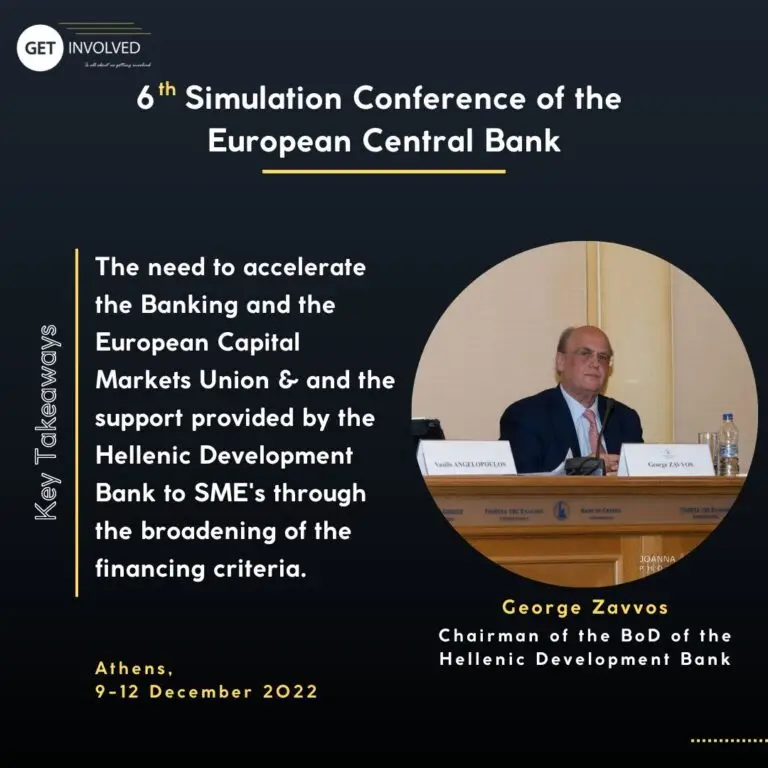
Ο κ. Γιώργος Ζαββός, εκκίνησε τις ομιλίες της Training Day αναφέροντας πως εξελίξεις όπως πόλεμοι και κρίσεις αποτελούν μία ισχυρή δοκιμασία για την ικανότητα της Ευρωπαϊκής Ένωσης (ΕΕ) να μετασχηματίσει το μοντέλο ευρωπαϊκής ολοκλήρωσής της σε ό,τι αφορά την ενέργεια, το εμπόριο, την άμυνα και τη χρηματοδότηση της οικονομίας. Επιπροσθέτως, ο κ. Ζαββός κατέδειξε την ανάγκη για επιτάχυνση της εδραίωσης της Τραπεζικής Ένωσης και της Ευρωπαϊκής Ένωσης Κεφαλαιαγορών. Αναφορικά με το ελληνικό χρηματοπιστωτικό σύστημα, ο κ. Ζαββός υπογράμμισε ότι θα πρέπει να πληροί τρεις μελλοντικούς στόχους, οι οποίοι περιλαμβάνουν τη διατήρηση της ανθεκτικότητάς του, τη στήριξη προς την πράσινη μετάβαση και τη στήριξη των μικρομεσαίων επιχειρήσεων. Επιπλέον, μιλώντας για τον καθοριστικό ρόλο των Αναπτυξιακών Τραπεζών, ειδικά σε περιόδους κρίσεων, αναφέρθηκε στη στήριξη της ΕΑΤ στις ελληνικές μικρομεσαίες επιχειρήσεις και ανέφερε ότι η ΕΑΤ σκοπεύει να διευρύνει τα κριτήρια χρηματοδότησης των μικρομεσαίων επιχειρήσεων, μέσω συγχρηματοδοτήσεων και παροχής εγγυήσεων. Κλείνοντας, ο κ. Ζαββός ανέδειξε τη σημασία της πράσινης μετάβασης, συγκρίνοντάς τη με τη Βιομηχανική Επανάσταση.
xr:d:DAFXRz3729s:85,j:45933054640,t:23012710

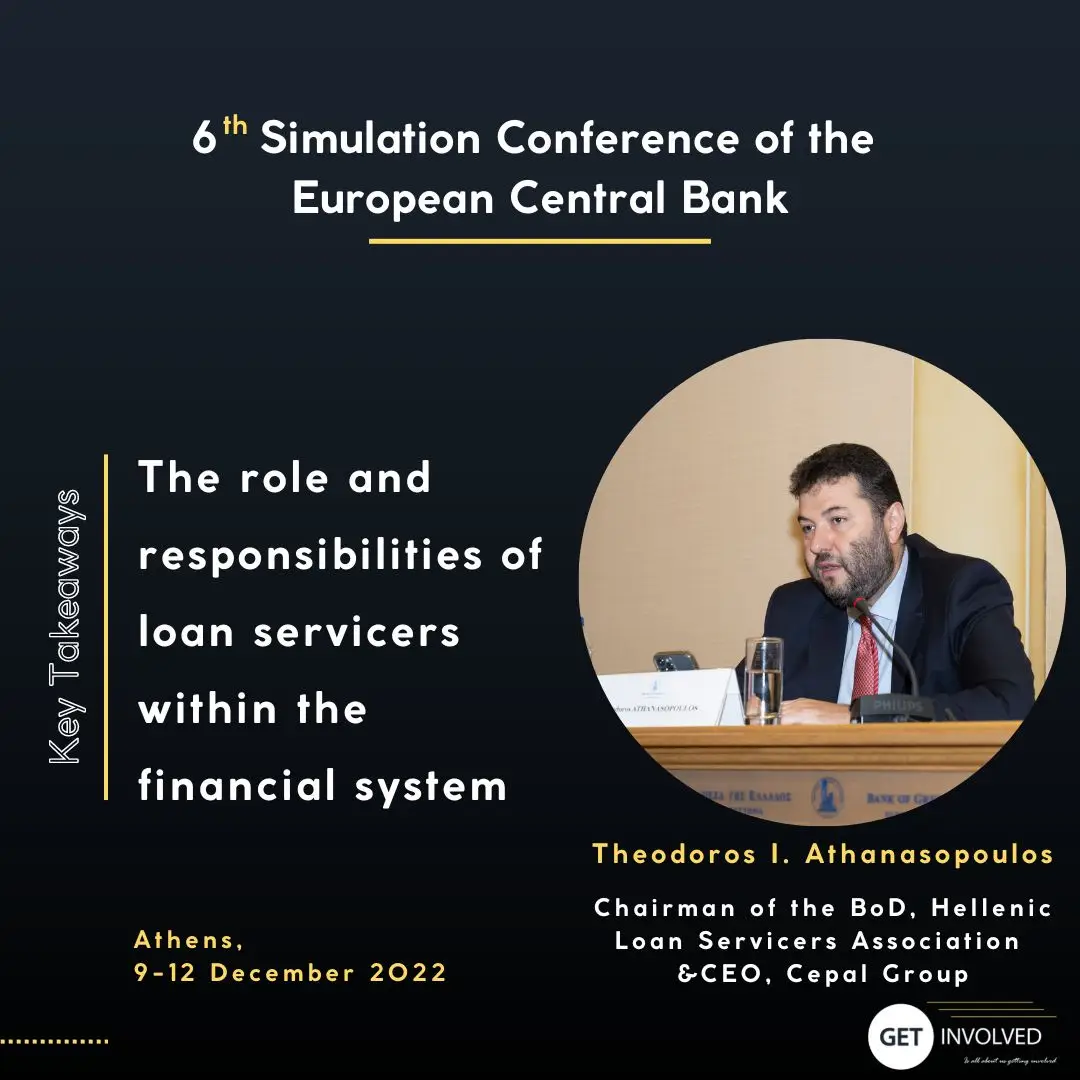
Τις εναρκτήριες ομιλίες έκλεισε ο κ. Θεόδωρος Αθανασόπουλος, όπου περιέγραψε τον ρόλο των διαχειριστών δανείων εντός του χρηματοπιστωτικού συστήματος. Ο κ. Αθανασόπουλος ανέφερε πως οι διαχειριστές δανείων αποτελούν διαχειριστές περιουσιακών στοιχείων που δρουν εκ μέρους τραπεζικών ιδρυμάτων και των επενδυτών. Η βασική στόχευσή τους είναι προχωρήσουν σε αναδιαρθρώσεις των οφειλών μικρομεσαίων επιχειρήσεων και νοικοκυριών και για όσες περιπτώσεις δεν γίνει εφικτό να επαναφέρουν μέσω ρευστοποιήσεων τα περιουσιακά στοιχεία με παραγωγικό τρόπο στην οικονομία, συμβάλλοντας έτσι στην εξυγίανση και επανάκαμψή της. Τέλος, μίλησε για τις προοπτικές και τις προκλήσεις του κλάδου, καθώς και για την ανάγκη όλα τα εμπλεκόμενα μέρη να είναι τεχνικά καταρτισμένα και καλά εκπαιδευμένα.

Keynote Ομιλίες

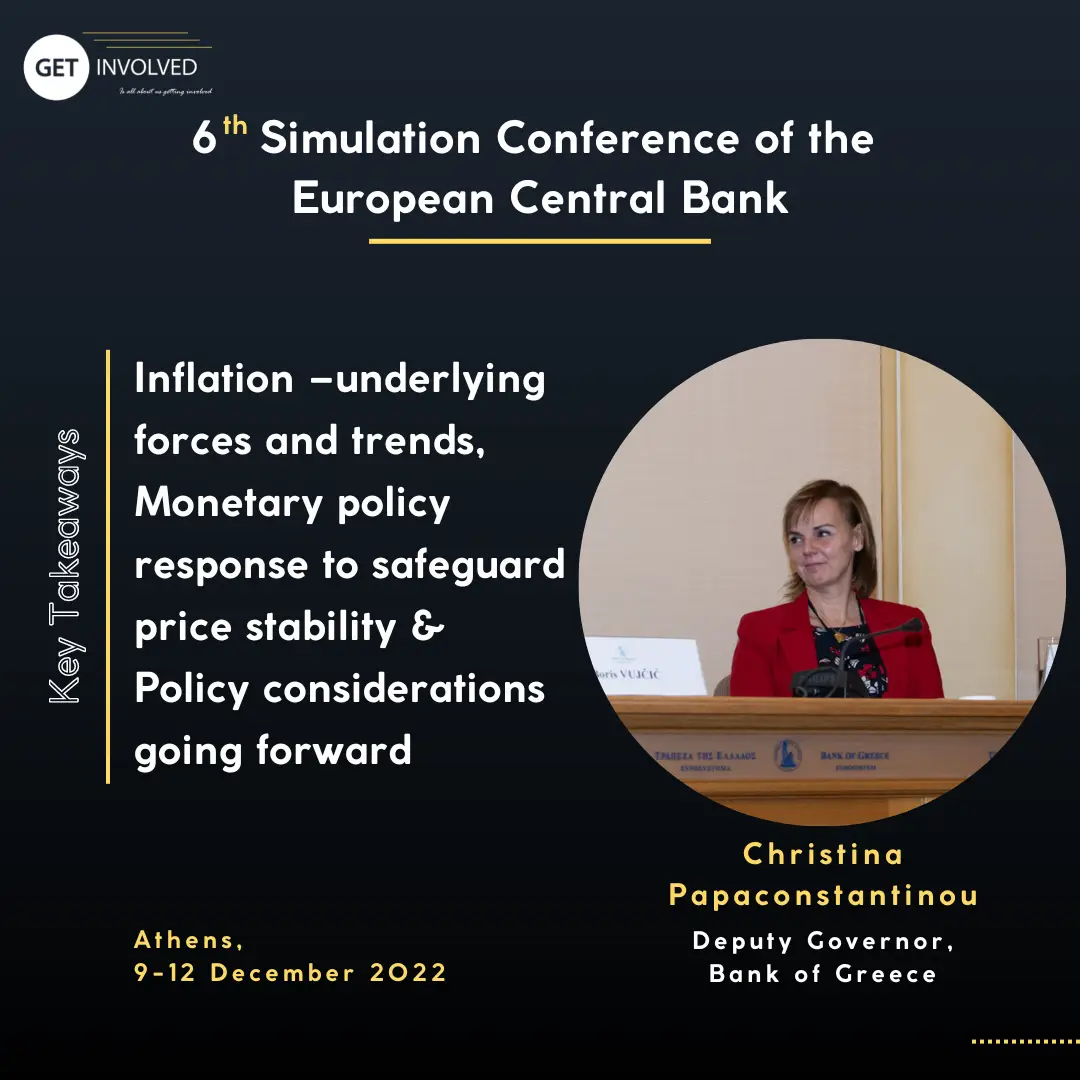
Οι Keynote Ομιλίες εκκινήσαν από την κα. Χριστίνα Παπακωνσταντίνου, η οποία αναφέρθηκε στους βασικούς παράγοντες που συνέβαλαν στην αύξηση του πληθωρισμού στην ζώνη του ευρώ, στην απόκριση της νομισματικής πολιτικής του Ευρωσυστήματος και σε ορισμένους προβληματισμούς για την άσκηση νομισματικής πολιτικής κατά την προσεχή περίοδο. Η κα. Παπακωνσταντίνου ξεχώρισε ως κύριους παράγοντες της αύξησης του πληθωρισμού την άνοδο στις τιμές της ενέργειας, τα σημαντικά προβλήματα στις εφοδιαστικές αλυσίδες (και οι δύο παράγοντες επιδεινώθηκαν με τον πόλεμο της Ουκρανίας) και την ανάκαμψη της ζήτησης μετά από την άρση των περιοριστικών μέτρων που λήφθηκαν για την ανάσχεση της πανδημίας. Συνεχίζοντας, η κα. Παπακωνσταντίνου τόνισε πως η κατάλληλη απόκριση της νομισματικής πολιτικής προκειμένου να διασφαλίσει τη σταθερότητα των τιμών είναι να προχωρήσει σταδιακά αλλά αποφασιστικά, χαρακτηριζόμενη από ευχέρεια επιλογών και ευελιξία. Τέλος, η κα. Παπακωνσταντίνου επεσήμανε τους παράγοντες που πρέπει να συνεκτιμώνται στην διαδικασία ομαλοποίησης της νομισματικής πολιτικής, όπως ο αυξημένος κίνδυνος ύφεσης, οι καθυστερήσεις στην μετάδοση των ληφθέντων αποφάσεων που έχουν στόχο την αντιμετώπιση του πληθωρισμού, το γεγονός ότι ο πληθωρισμός στη ζώνη του ευρώ προέρχεται κατά κύριο λόγο από διαταραχές στην πλευρά της προσφοράς και τις πιθανές συνέργειες από τη συγχρονισμένη αυστηροποίηση της νομισματικής πολιτικής διεθνώς. Η νομισματική πολιτική θα πρέπει να εμπνέει σταθερότητα και εμπιστοσύνη πως ο πληθωρισμός θα επανέλθει έγκαιρα στο στόχο του.
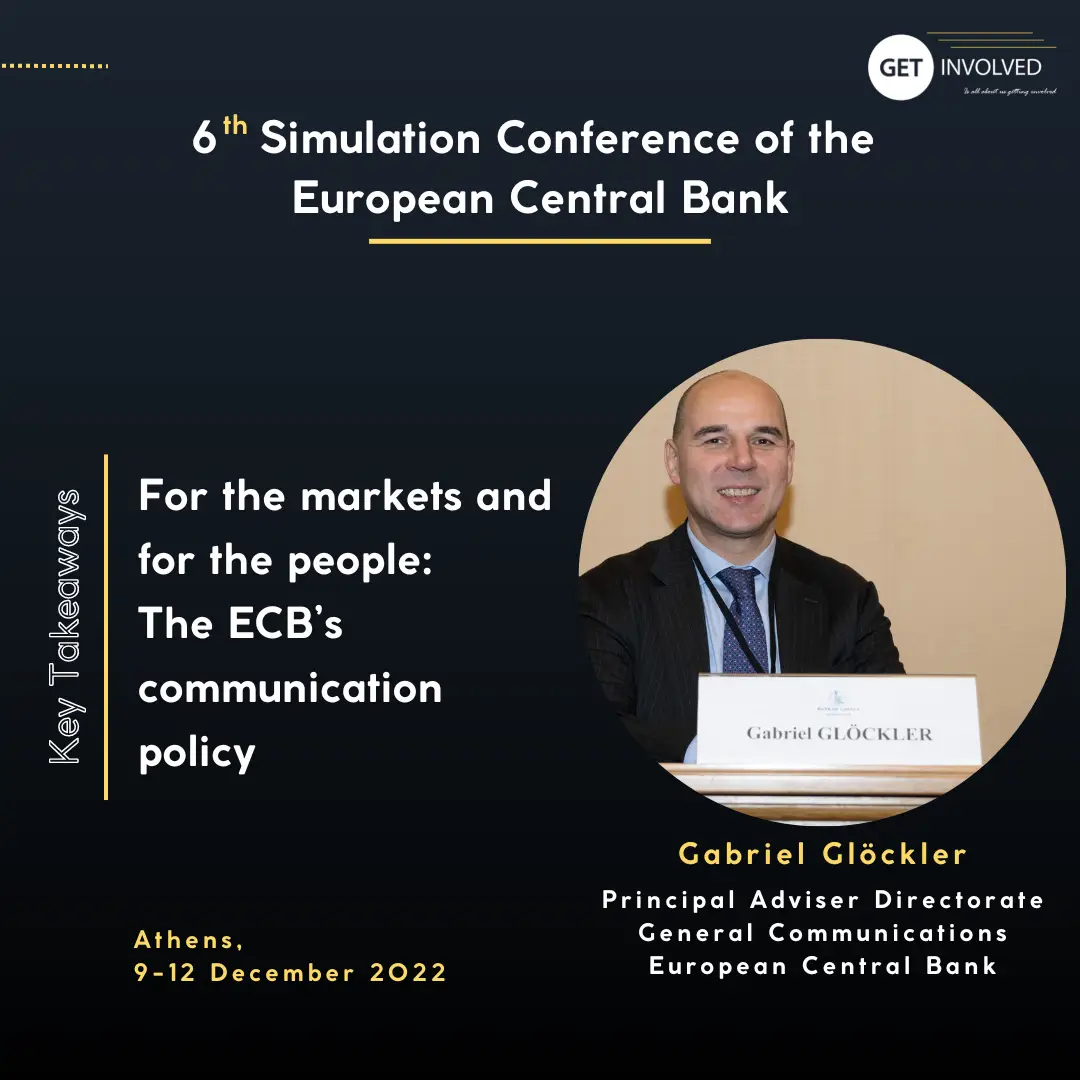
Τις Keynote Ομιλίες έκλεισε ο κ. Gabriel Glöckler, όπου ανέδειξε το σημαντικό ρόλο της επικοινωνιακής πολιτικής της ΕΚΤ και τον τρόπο με τον οποίο εκείνη επηρεάζει όλα τα ενδιαφερόμενα μέρη της οικονομίας. Υπογράμμισε την πρόοδο που έχει και συνεχίζει να πραγματοποιεί η ΕΚΤ στον τομέα της επικοινωνίας προκειμένου να ενισχύσει την αξιοπιστία της σε ένα περιβάλλον έντονης αμφισβήτησης, ενώ τόνισε τον σημαντικό ρόλο των Εθνικών Κεντρικών Τραπεζών στην διάδοση της νομισματικής πολιτικής σε εθνικό επίπεδο. Επεσήμανε, επίσης, τη σημασία του διαλόγου με τους νέους μέσα από δράσεις όπως το Συνέδριο Προσομοίωσης της ΕΚΤ, ενώ υπογράμμισε την ανάγκη διεύρυνσης του διαλόγου αυτού. Παράλληλα, ο κ. Glöckler έθιξε την ως σήμερα απουσία κατανόησης του στόχου και του ρόλου της ΕΚΤ από το ευρύ κοινό της Ευρωζώνης, κάτι το οποίο δημιουργεί κενό στην εμπιστοσύνη που δείχνουν απέναντι στο θεσμό. Τέλος, περιέγραψε τρόπους με τους οποίους η ΕΚΤ προσπαθεί να απλοποιήσει και να εκσυγχρονίσει την μετάδοση των μηνυμάτων της προκειμένου να ανταποκριθεί στην πρόκληση.
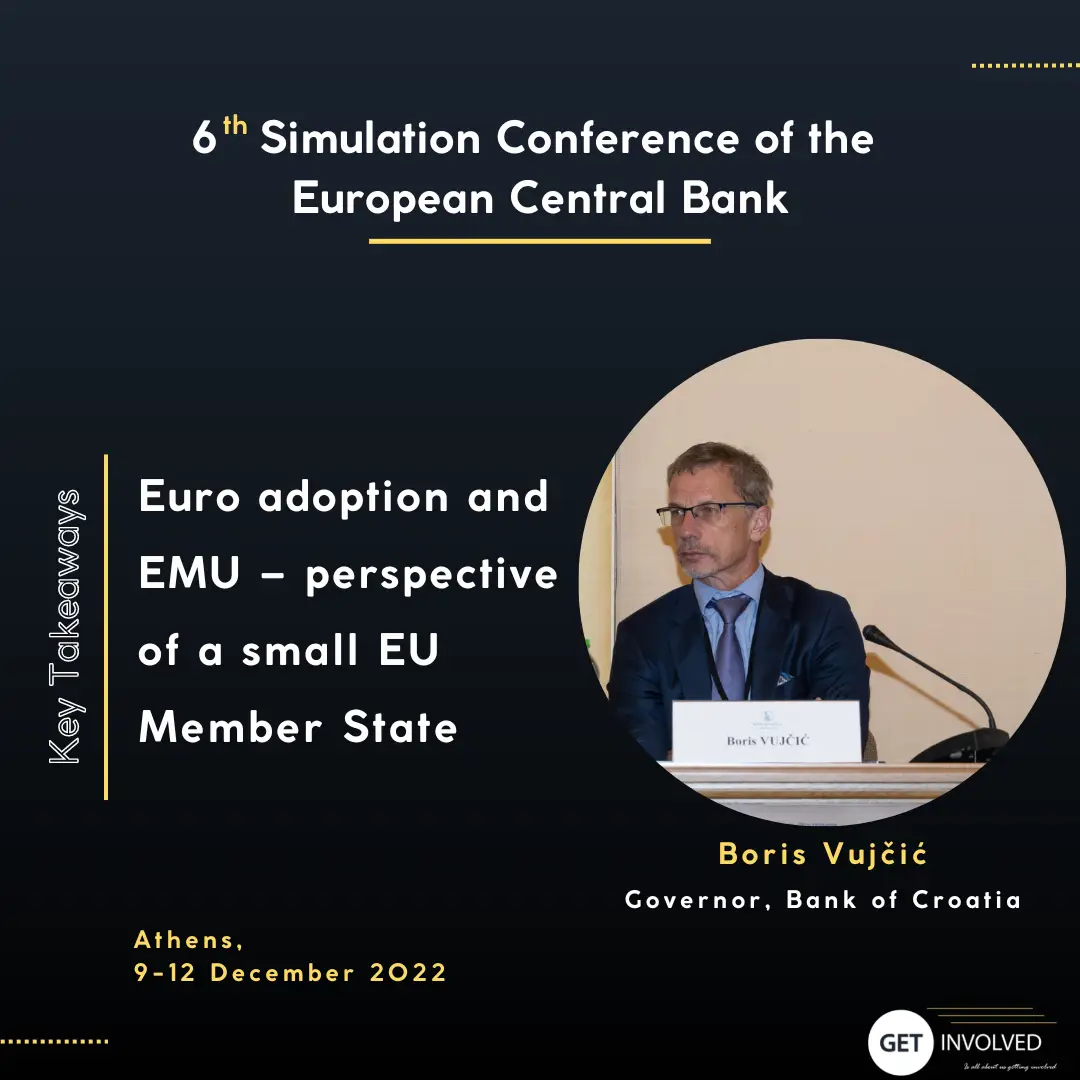
Στην συνέχεια ο κ. Boris Vujčić, αναφέρθηκε στο κίνητρο για την υιοθέτηση του ευρώ και στην παρούσα κατάσταση της Οικονομικής και Νομισματικής Ένωσης (ΟΝΕ). Πιο συγκεκριμένα, τόνισε ορισμένα από τα οικονομικά προνόμια της υιοθέτησης του ευρώ, επισημαίνοντας την μικρότερη έκθεση σε νομισματικό κίνδυνο, την δυνατότητα καλύτερης αντίδρασης σε οικονομικές κρίσεις και τα χαμηλότερα κόστη συναλλαγών και δανεισμού, αναφέροντας επίσης και άλλα προνόμια όπως η συμμετοχή στη διαδικασία λήψης αποφάσεων της Ζώνης του Ευρώ και η υπόληψη που φέρει στην παγκόσμια οικονομία. Ο κ. Vujčić υποστήριξε ότι τα οικονομικά κόστη της υιοθέτησης συγκριτικά με τα οφέλη είναι μικρά, εστιάζοντας στην απώλεια της αυτονομίας στην νομισματική πολιτική, στα εφάπαξ κόστη μετατροπής και στην αμελητέα αύξηση του επιπέδου των τιμών. Κλείνοντας, ο κ. Vujčić παρουσίασε την τρέχουσα κατάσταση της ΟΝΕ και πιο συγκεκριμένα την αυστηροποίηση των προϋποθέσεων για την υιοθέτηση του ευρώ, κάτι το οποίο αναγκάζει τα υποψήφια κράτη μέλη να καταβάλουν σημαντική προσπάθεια προκειμένου να ενταχθούν και σηματοδοτεί σημαντικές αλλαγές στην θεσμική οργάνωση της ΟΝΕ.
Πληθωρισμός και οι απειλές που επηρεάζουν τη σταθερότητα του χρηματοπιστωτικού συστήματος

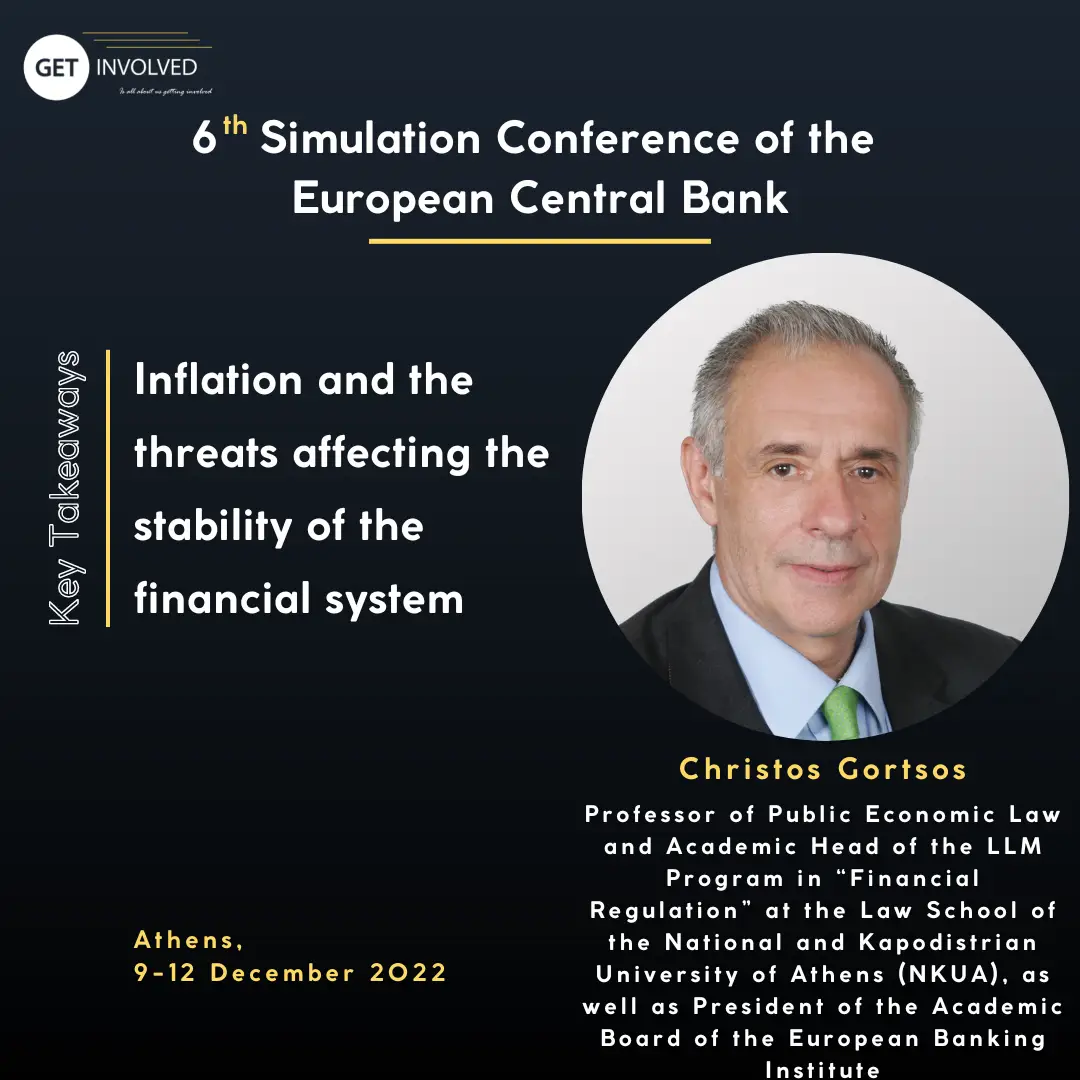
Ο κ. Χρήστος Γκόρτσος, ανέλυσε τον τρόπο με τον οποίο οι τρέχουσες εξελίξεις στο μακροοικονομικό περιβάλλον επηρεάζουν τη σταθερότητα του χρηματοπιστωτικού συστήματος.

Ειδικότερα, επεσήμανε ότι το περιβάλλον διαρκούς κρίσης («permacrisis») στην Ευρώπη έχει οδηγήσει την οικονομία σε συνθήκες υψηλού πληθωρισμού και χαμηλής ανάπτυξης. Τόνισε, επίσης, ότι οι παράγοντες που συμβάλλουν στις πληθωριστικές πιέσεις δεν βρίσκονται άμεσα υπό τον έλεγχο της Ευρωπαϊκής Κεντρικής Τράπεζας (ΕΚΤ), γεγονός που καθιστά αναγκαία, πέρα από την αύξηση των βασικών επιτοκίων, τη στενότερη ευθυγράμμιση της δημοσιονομικής και νομισματικής πολιτικής στην ευρωπαϊκή οικονομία.

Τέλος, εστίασε στους αυξημένους κινδύνους που ενδέχεται να επηρεάσουν τη χρηματοπιστωτική σταθερότητα, επισημαίνοντας ότι η κερδοφορία των τραπεζών αναμένεται να μειωθεί το 2023, γεγονός που θα οδηγήσει σε περαιτέρω περιορισμό της δανειοδότησης προς την πραγματική οικονομία, αυξάνοντας σημαντικά την πιθανότητα εμφάνισης ενός νέου κύματος μη εξυπηρετούμενων δανείων.
Central Bank Digital Currencies και Ψηφιακό Ευρώ

Το δεύτερο πάνελ ξεκίνησε με την εισήγηση του κ. Κωσταντίνου Δράκου, όπου αναφέρθηκε στα σταθερά νομίσματα (stablecoins) και στα ψηφιακά νομίσματα κεντρικής τράπεζας. Αρχικά, τόνισε την ανάγκη χρήσης του όρου «κρυπτοστοιχεία» (“crypto assets”), αντί για «κρυπτονομίσματα» (“cryptocurrencies”), καθώς, τα εν λόγω στοιχεία, δεν επιτελούν τις βασικές λειτουργίες του χρήματος και δεν αποτελούν νόμιμο χρήμα (legal tender money). Επίσης, υπογράμμισε ότι τα “κρυπτοστοιχεία” χαρακτηρίζονται από μεγάλη αστάθεια (volatility), γεγονός που εμποδίζει την διαμόρφωση ενός συναλλακτικού πλαισίου που θα στηρίζεται σε αυτά. Στην συνέχεια, επικεντρώθηκε στο θέμα των σταθερών νομισμάτων (stablecoins), τα οποία δημιουργήθηκαν για να θεραπεύσουν το πρόβλημα της αστάθειας των “κρυπτοστοιχείων” (crypto assets). Πιο αναλυτικά, ανέλυσε τις μορφές των stablecoins, τις τεχνολογίες πάνω στις οποίες βασίζεται ο σχεδιασμός τους, τα θετικά, αλλά και τους κινδύνους που δημιουργούνται από την χρήση τους. Τέλος έκλεισε την εισήγησή του παρουσιάζοντας τα ψηφιακά νομίσματα κεντρικών τραπεζών και συγκεκριμένα την προοπτική δημιουργίας ενός ψηφιακού ευρώ, εξετάζοντας τις πιθανές μορφές του, τα προτερήματά του έναντι των παραδοσιακών χαρτονομισμάτων, αλλά και προβληματισμούς σχετικά με τις αρνητικές επιπτώσεις της έκδοσής του.
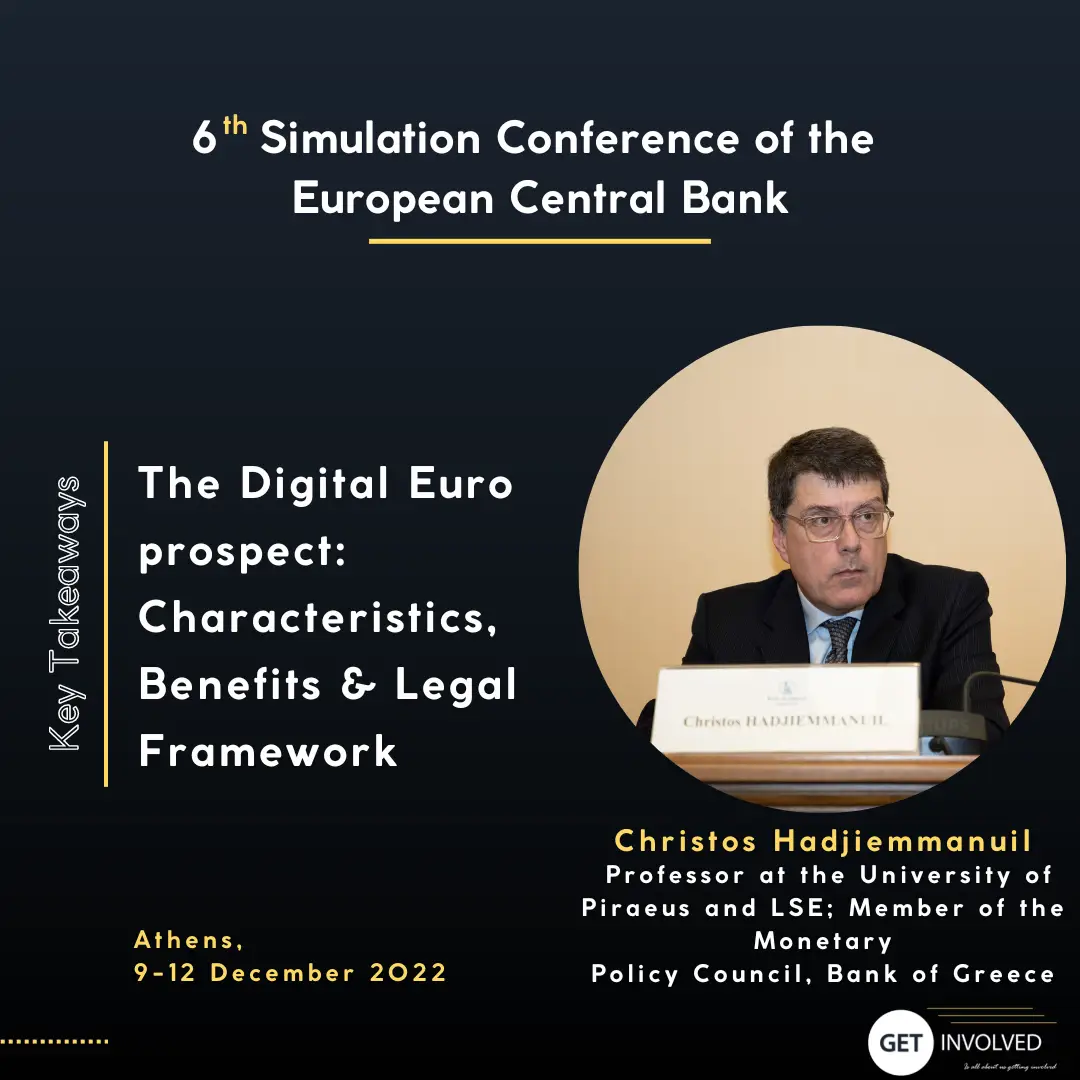
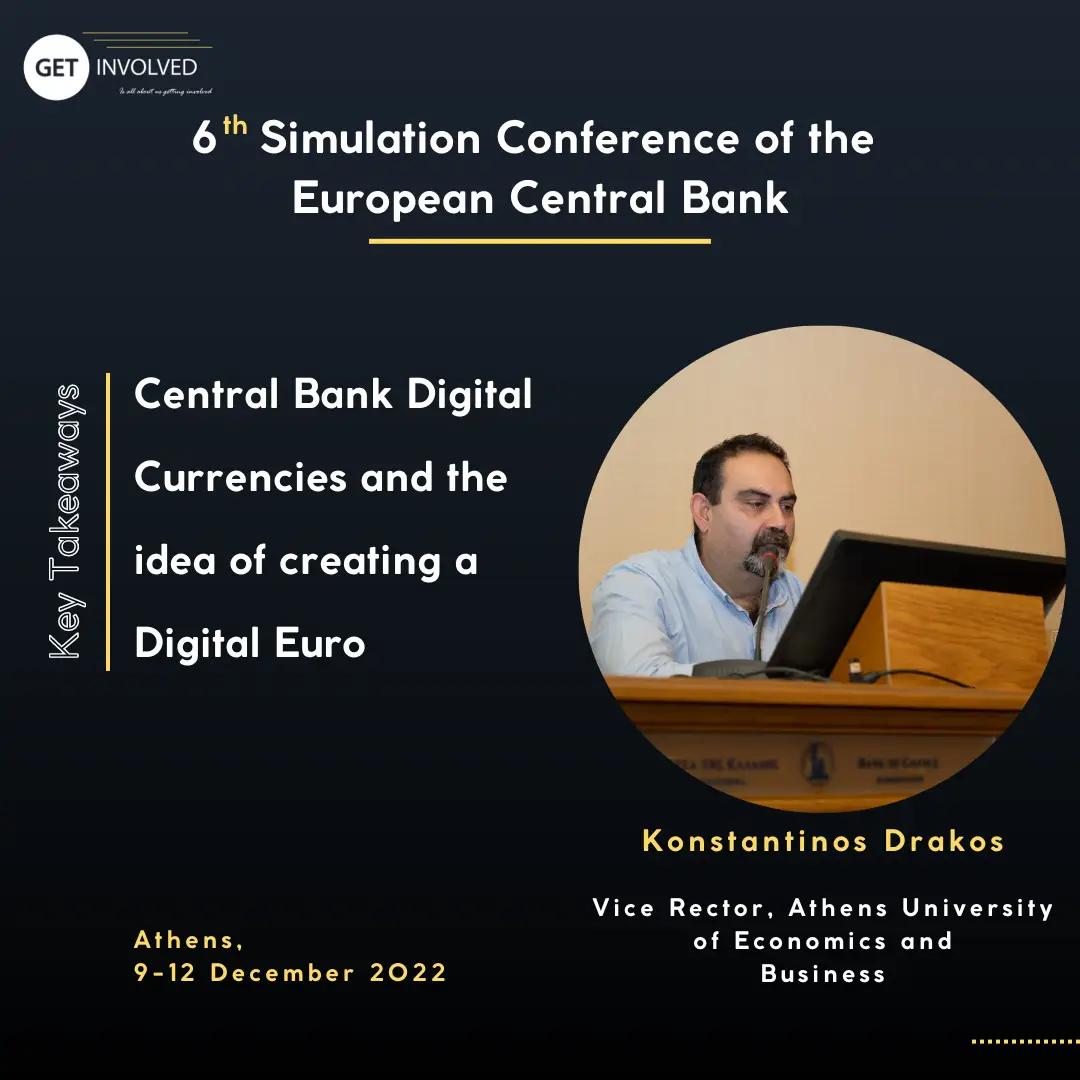
Οι ομιλίες του πάνελ έκλεισαν με την εισήγηση του κ. Χρήστου Χατζηεμμανουήλ, όπου αναφέρθηκε στην προοπτική δημιουργίας ενός ψηφιακού ευρώ, το οποίο θα μειώσει αισθητά το κόστος των διασυνοριακών και άμεσων πληρωμών. Πιο συγκεκριμένα, ο κ. Χατζηεμμανουήλ, ανέλυσε τα χαρακτηριστικά που πρέπει να έχει το ψηφιακό ευρώ και ιδιαίτερα τόνισε την σημασία των πολιτικών ασφαλείας και απορρήτου για τους χρήστες και την ανάγκη δημιουργίας κριτηρίων για την χρήση του, με έμφαση στο ότι δεν πρέπει να χρησιμοποιείται ως επενδυτικό μέσο. Τέλος, έθεσε το ζήτημα του περιορισμού της χρήσης των τραπεζογραμματίων με την εμφάνιση του ψηφιακού ευρώ, αλλά και της διαμόρφωσης του κατάλληλου νομικού πλαισίου για την έκδοση και την χρήση του.

Οι επιπτώσεις των πληθωριστικών πιέσεων στην Ευρωπαϊκή Οικονομία και στο χρηματοπιστωτικό σύστημα: Μετασχηματισμός και ανάπτυξη στις νέες συνθήκες

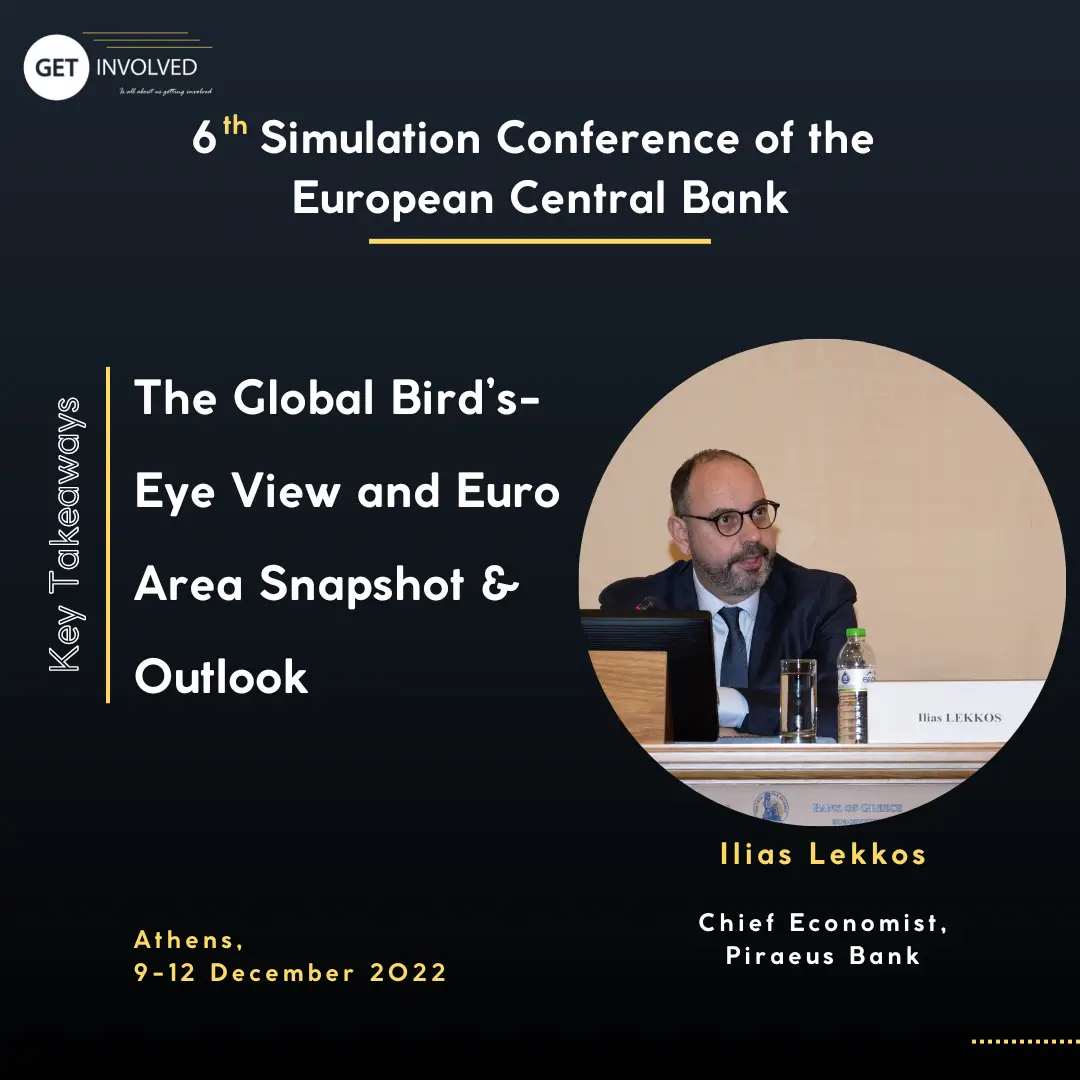
Το τελευταίο πάνελ της Training Day, εκκίνησε ο κ. Ηλίας Λέκκος, όπου αναφέρθηκε στις προκλήσεις που αντιμετωπίζει η ευρωπαϊκή οικονομία. Όπως επεσήμανε ο κ. Λέκκος, η συμφόρηση στην εφοδιαστική αλυσίδα μετά την πανδημία, η υψηλή ζήτηση αγαθών και ο μεγάλος όγκος εμπορευμάτων οδήγησαν σε υψηλό πληθωρισμό κατά τη διάρκεια του 2022, ο οποίος τώρα σταδιακά υποχωρεί. Ο κ. Λεκκός τόνισε, επίσης, ότι το 2023 στην Ευρωπαϊκή Ένωση αναμένεται ύφεση της τάξης του 0,5%, ενώ ο προσδοκάται ότι θα φτάσει το 5%. Επιπλέον, ο κ. Λεκκός δήλωσε ότι ένα τεράστιο μέρος αυτού του πληθωρισμού οφείλεται στην εισαγόμενη ενέργεια και μπορεί να έχει επιβλαβείς επιπτώσεις για την οικονομία, όπως αύξηση των ποσοστών ανεργίας, οδηγώντας σε επιβράδυνση της ανάπτυξης της ευρωπαϊκής οικονομίας. Κλείνοντας την ομιλία του, ο κ. Λεκκός υπογράμμισε ότι σύμφωνα με προβλέψεις ο πληθωρισμός αναμένεται να αρχίσει να μειώνεται σταδιακά φτάνοντας τελικά το ποσοστό του 2,5% μέχρι το 2024.
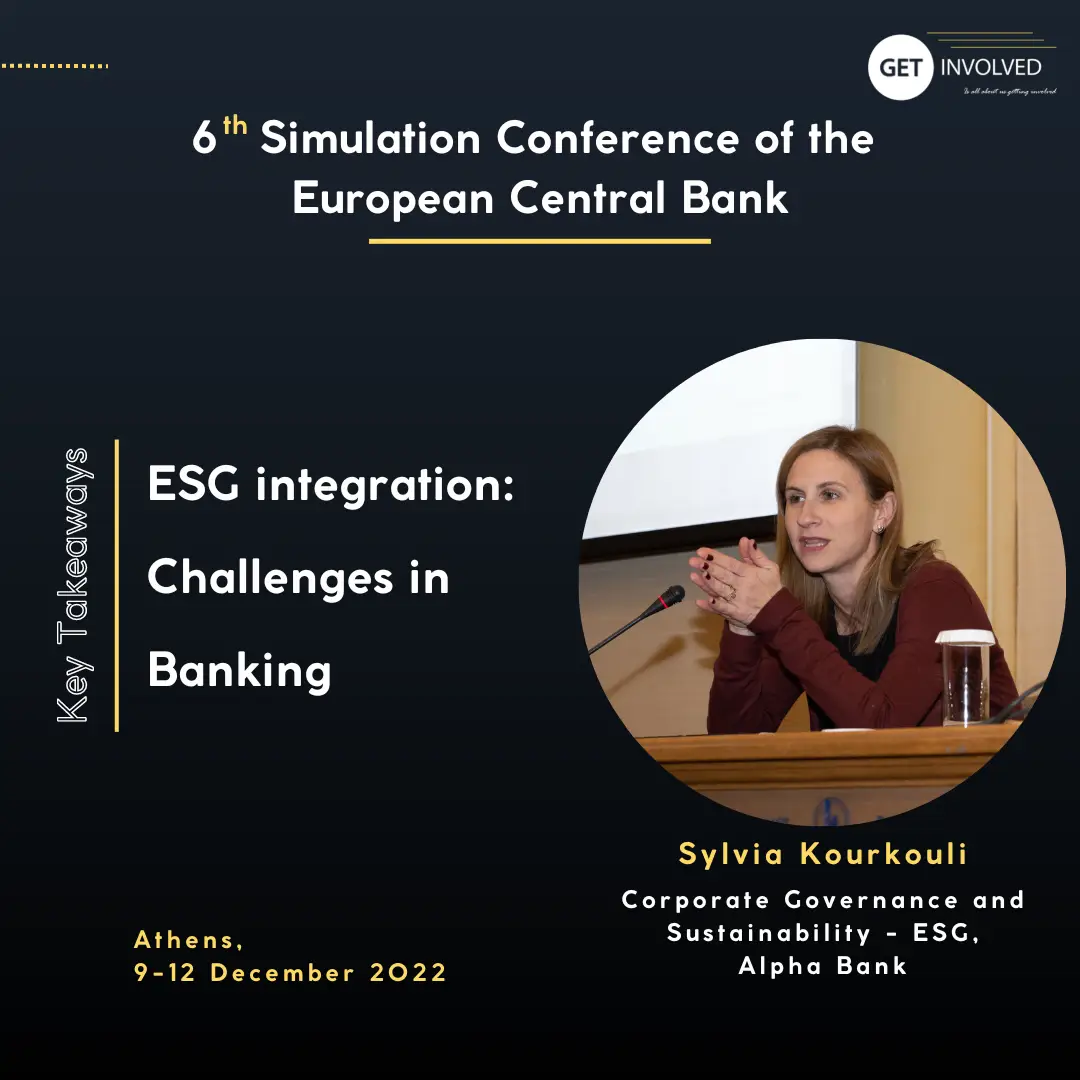
Τις ομιλίες της Training Day έκλεισε η κα. Σύλβια Κουρκουλή, εστιαζόντας στις προκλήσεις ενσωμάτωσης των παραγόντων ESG στον τραπεζικό τομέα. Όπως ανέφερε, τα τελευταία χρόνια χαρακτηρίζονται από σημαντικές αλλαγές σε ευρωπαϊκό και διεθνές επίπεδο. Οι αλλαγές αυτές αγγίζουν μια ευρεία ατζέντα, όπως το υπόβαθρο της βιωσιμότητας και της κλιματικής αλλαγής, τις πρωτοβουλίες και τα πρότυπα του ESG, τις κανονιστικές και εποπτικές απαιτήσεις, καθώς και τη σύνταξη και εφαρμογή μιας σαφούς στρατηγικής μετάβασης. Συνέχισε τονίζοντας πως οι έννοιες της βιωσιμότητας και της κλιματικής αλλαγής δεν είναι καινούργιες για τις τράπεζες ή την οικονομία, παρόλα αυτά μια σειρά διεθνών συμφωνιών (Paris Agreement και EU Green Deal μεταξύ άλλων) επιτάχυνε την ανάγκη για μετασχηματισμό. Παράλληλα, η κα. Κουρκουλή υπογράμμισε πως τα τρέχοντα πρότυπα ESG επικεντρώνονται στις τράπεζες επειδή αποτελούν την κύρια πηγή χρηματοδότησης της οικονομίας και οι ρυθμιστικές αρχές, οι κυβερνήσεις, οι επενδυτές και τα ενδιαφερόμενα μέρη αυξάνουν την πίεση στο χρηματοπιστωτικό σύστημα, καθώς θεωρούν την πίεση ως το κύριο εργαλείο για την προώθηση της αλλαγής. Επίσης, ανέφερε ότι οι προσδοκίες των εποπτικών αρχών σχετικά με τους κλιματικούς και περιβαλλοντικούς κινδύνους, όπως εκφράζονται από την ΕΚΤ και την ΕΑΤ, σε συνδυασμό με τις απαιτήσεις μη χρηματοοικονομικής πληροφόρησης δημιουργούν την ανάγκη για αυξημένα δεδομένα που σχετίζονται με το ESG. Επεσήμανε, επίσης, πως οι τράπεζες αντιμετωπίζουν την πρόκληση της εξεύρεσης αυτών των δεδομένων, καθώς οι μεγάλες εισηγμένες εταιρείες, λόγω των προσδοκιών των μετόχων, είναι οι μόνες εταιρείες που τα δημοσιεύουν με οργανωμένο τρόπο, ενώ οι μικρομεσαίες επιχειρήσεις και οι επιχειρήσεις με περισσότερους από 500 εργαζόμενους που εντάχθηκαν πρόσφατα στο CSRD δεν παρέχουν επί του παρόντος δεδομένα της ίδιας ποιότητας. Τέλος, η κα. Κουρκουλή υπογράμμισε το γεγονός ότι τα δεδομένα του ESG θα πρέπει να ενσωματωθούν σε πολλαπλά μέρη της αλυσίδας δανεισμού και επενδύσεων.

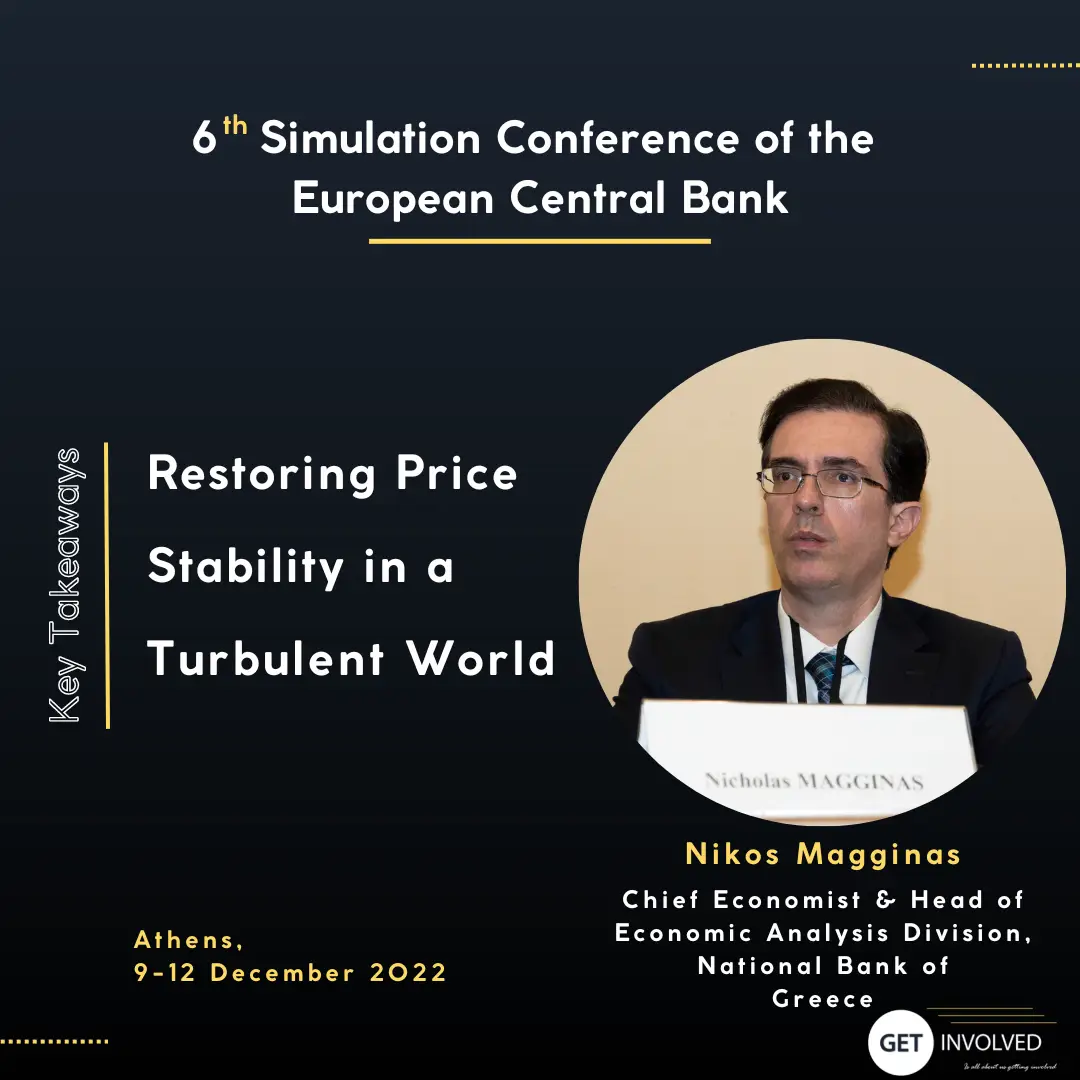
Συνεχίζοντας, ο κ. Νίκος Μαγγίνας αναφέρθηκε στις μακροοικονομικές εξελίξεις της ευρωπαϊκής οικονομίας και στις παγκόσμιες τάσεις. Αρχικά, ο κ. Μαγγίνας τόνισε πως ο πληθωρισμός βρέθηκε στο υψηλότερο σημείο των τελευταίων 40 ετών, υπογραμμίζοντας όμως ότι παρά την άνοδο η οικονομική δραστηριότητα παρέμεινε σχετικά αμετάβλητη. Συνέχισε την ομιλία του περιγράφοντας τις εξελίξεις στην αγορά εργασίας και στις αγορές μετοχών, όπου ανέφερε πως το ποσοστό ανεργίας βρέθηκε σε ιστορικά χαμηλά επίπεδα στις περισσότερες ανεπτυγμένες χώρες και οι αγορές μετοχών κατάφεραν να διατηρήσουν το μεγαλύτερο μέρος των κερδών της προηγούμενης δεκαετίας παρά την διόρθωση που πραγματοποιήθηκε το 2022. Παράλληλα, εστίασε στην δημοσιονομική επέκταση που παρατηρήθηκε με σκοπό την αντιμετώπιση των επιπτώσεων του Covid-19 γεγονός που οδήγησε σε αύξηση του δημόσιου χρέους σε όλο τον κόσμο, ενώ υπογράμμισε ότι η εκτεταμένη περίοδος «μη-συμβατικών» μέτρων νομισματικής πολιτικής πλησιάζει στο τέλος της. Τέλος, ο κ. Μαγγίνας ανέφερε πως η ισχυρή ανάκαμψη που ακολούθησε την κρίση του Covid-19 σε συνδυασμό με τις γεωπολιτικές εξελίξεις και την ενεργειακή κρίση οδήγησαν σε ραγδαία αύξηση του πληθωρισμού, ο οποίος αναμένεται να επιβραδυνθεί μέσα στο 2023.

Συνολικά, οι κρίσιμοι παράγοντες που θα καθορίσουν την επιτυχία ενσωμάτωσης του ESG και μετάβασης είναι οι εξής:
  • Ορισμός του συνολικού στόχου, καθορισμός μικρότερων στόχων και επικοινωνία εσωτερικά και εξωτερικά
  • Καθιέρωση σαφούς πλαισίου βιωσιμότητας για την ευθυγράμμιση των διαδικασιών και τη διαχείριση των κινδύνων
  • Ανάπτυξη βασικών ικανοτήτων

Elisavet Dolopikou

Junior Associate

My name is Elisavet Dolopikou. I am a graduate of the Faculty of Law at the Aristotle University of Thessaloniki (AUTh), a postgraduate student in the LL.M. program in European Business and Economic Law at AUTh, and a trainee lawyer specializing in Commercial Law.

I joined the Get Involved team in September 2025, and since then, I have been an active member of both the Legal and Operations departments. For me, Get Involved is a hub of innovation and interdisciplinarity that provides the ideal environment for developing new skills. The fact that this is an initiative driven by young people with a shared vision for producing meaningful work was my primary motivation for joining.

Chrisanthi Indouna

Junior Associate

My name is Chrisanthi Indouna, and I am an undergraduate student in the Department of Management Science and Technology at the Athens University of Economics and Business. I joined Get Involved as a Junior Associate in September 2025. I am part of the Operations team, where I contribute, among other tasks, to the organization and coordination of the team’s initiatives. In May 2025, I attended the event “Sustainable Future IV: Beyond Green – Navigating the Future of Sustainability & Innovation”. I acquired valuable insights into sustainable development and its role in contemporary entrepreneurship.
My decision to join Get Involved was driven by my strong interest in youth initiatives and the team’s culture, which encourages creativity, collaboration, and active participation in innovative projects.
For me, Get Involved represents a unique opportunity to expand my knowledge in sustainability and finance. Its youthful spirit and the collaboration among people from different academic backgrounds, united by a shared vision, motivate me to actively engage in projects that have a meaningful impact.

Evangelia Koutsougera

Junior Associate

I’m a Law student and since May 2025, I’ve been part of the Communications team at Get Involved. I’ve always been an outgoing person who enjoys working with others, so I immediately felt that this role suits me well. I’m really interested in sustainability, mainly because I feel like we’re the first generation truly experiencing the consequences of the environmental crisis. I believe that each of us can contribute to something better, in our own way. Through this team, I hope to learn, grow, and collaborate with people who share the same concerns and vision. I also hope to bring my own perspective and energy to everything we do.

Konstantina Katsimicha

Junior Associate

My name is Konstantina Katsimicha, and I am an undergraduate student at the Department of Economics of the Athens University of Economics and Business.

In 2024, I participated in the 8th ECB Conference; an experience that significantly deepened my understanding of monetary policy, financial institutions, and the broader economic framework of the Εuro area.

In 2025, I joined Get Involved as a Junior Associate in both the Communications and Social Media Management teams. Through this role, I contribute to the promotion of our initiatives and help manage our online presence, while also developing valuable communication, organizational, and teamwork skills.

What inspired me to become part of Get Involved is the team’s vision and spirit to enhance economic literacy among young people and foster a space where ideas, knowledge, and skills can grow through collaboration. Being surrounded by passionate peers committed to impactful initiatives motivates me to learn, evolve, and contribute actively.

Fay Panagakis

Junior Associate

My name is Fay Panagakis, and I am an undergraduate student in the Department of Business Administration at the University of Piraeus. Joining Get Involved in February 2025, I am actively contributing to both the Communications and Operations departments.
I was eager to join the organization because of its strong commitment to empowering young people through initiatives that bridge the gap between academic knowledge and today’s challenges. Its focus on financial literacy, sustainable development, and fostering interdisciplinary learning aligns with my aspirations to make a positive societal impact.
Becoming part of this dynamic team offers me an invaluable opportunity to contribute to meaningful projects while growing both personally and professionally. I’m excited about what the future holds alongside like-minded individuals who share a passion for youth empowerment and societal change.

George Sakkas

Junior Associate

My name is George Sakkas and I am an undergraduate student in the Department of Accounting and Finance at the Athens University of Economics and Business. I joined the organization in March 2025 as a Junior Associate in the Social Media and Scientific teams, contributing to its activities through the perspective of financial literacy and sustainable economic development.

My involvement with Get Involved arose from my deep interest in the role that financial knowledge plays in modern society. My goal is to deepen my understanding of financial issues, enhance my skills in communication and strategic development, and actively contribute to the promotion of economic education.

Angelina Arfani

Junior Associate

My name is Angelina Arfani, and I am an undergraduate student in the Department of Political Science and International Relations at the University of the Peloponnese. I have joined the Get Involved team as a Junior Associate in the Operations and Communications departments, where I contribute to the efficient coordination of initiatives and assist in enhancing the organization’s outreach and engagement. 

I believe that Get Involved is an innovative initiative driven by individuals committed to creating meaningful change. Being part of this team has provided me with the opportunity to expand my knowledge, develop key skills, and showcase my abilities, all while collaborating with passionate individuals who share a common vision.

Konstantina Triantafyllopoulou

Junior Associate

My name is Konstantina Triantafyllopoulou, and I am an undergraduate Political Science & Public Administration university student at the National and Kapodistrian University of Athens. Also, I am currently enrolled in the American College of Greece, pursuing a minor in Human Resources Management.

I joined Get Involved in 2025 as a Junior Associate in the communications team, where I help by communicating with external partners and with the promotion of our initiatives. The key factors that motivated me to join were my ambition to engage within the community and broaden both my understanding and skills around finances, communication, entrepreneurship, and youth-led projects.

Being an active member of Get Involved highlights my keen enthusiasm for promoting financial literacy, actively engaging with the youth community, and embracing the core values of this team.

Pavlos Tsiokas

Senior Associate

As a participant of the 1st ECB Simulation Conference, I had the opportunity to familiarize myself with concepts related to Central Banks, their objectives, and the exercise of monetary policy.
The reason I decided to join the Get Involved team stemmed from the fact that I strive for learning, especially in areas concerning economic literacy. I was drawn to the opportunity to collaborate with like-minded individuals who share our shared culture and values.
As a new addition to the team, I am involved in drafting the Economic Term of the Week, which enjoys considerable success on Get Involved’s social media platforms. Furthermore, I am part of the team responsible for compiling the Study Guide, the pivotal manual for every delegate participating in the European Central Bank Simulation Conference.

Lila Kartali

Senior Associate

My name is Lila Kartali and I am an undergraduate student in the Department of International and European Studies at the University of Piraeus. I joined the team in February 2024, and since then I have happily been part of the Corporate Communications, Social Media, External Opportunities, and Scientific team. The diversity of the topics I deal with in each department, as well as the collaboration and interaction with ambitious people, are a pleasant challenge for me.

For me, Get Involved is an opportunity to develop various skills and strengthen my knowledge background on sustainability and monetary policy issues. Moreover, the fact that it is a youth initiative, by people from different scientific fields collaborating for a common goal, is the reason why I want to be part of it.

Iasonas Pavlakis

Senior Associate

As an active member of Get Involved’s Associates, I am part of engaging and continuously evolving projects centered on strengthening financial literacy among young people in Greece and Europe. Moreover, by combining my studies in computer science, I am an integral part of Get Involved’s ongoing digital transformation journey.

My contributions to Get Involved reflect my commitment to supporting its ultimate goal of social contribution and raising awareness of financial literacy issues among youth.

Maria Anastasopoulou

Senior Associate

My name is Maria Anastasopoulou and I am an undergraduate student at the Law School of the National and Kapodistrian University of Athens. My participation in Get Involved started in 2023, whereas now I am an Associate and a member of the Legal Team, where I help handle the group’s legal issues, prepare legal educational materials and represent the group in the ECB Simulation Conference. Additionally, I participate in the stream for Student and Youth Organizations, where I develop my communication skills by interacting with external partners and other youth initiatives. I am also a member of the Scientific Team and contribute to the structuring of the group’s studies, such as the “ESG & Sustainability Youth Perspectives”, while simultaneously developing my research and writing skills.

The drive behind my involvement with the team is the exceptional academic and research level of my colleagues and the passion for the field. The shared values of mutual respect, the desire for progress and innovation, and continuous new’ goal setting, motivate me to contribute and join in a common evolutionary path.

I am particularly grateful for my participation in Get Involved, as it provides me the opportunity to significantly broaden my economic and legal knowledge, delve further into areas of interest and collaborate with some of the most active and accomplished young people, from whom I learn daily.

Apostolos Karasakalidis

Scientic Associate

Apostolos Karasakalidis has graduated from the Law School of the Aristotle University of Thessaloniki, is a certified Data Protection Officer (DPO), and works as a trainee lawyer in Thessaloniki having developed a special interest in Commercial Law.

He is an Associate at Get Involved since the summer of 2022 and a member of the legal team. He has participated in the writing and updating of the Study Guide for the 7th Simulation of the European Central Bank in which he also participated as a Central Banker. In addition, he oversees Get Involved’s compliance with the General Data Protection Regulation (GDPR) and the protection of its intellectual property.

Apostolos participates in Get Involved because he believes in the added value of cooperation among young scientists from different academic backgrounds. Furthermore, he is interested in the green transition of the EU economy and supports financial literacy’s expansion to young people.

Opportunities don’t happen, you create them.” — Chris Grosser

Vasiliki Koukoula

Senior Associate

I joined Get Involved in 2019, I have progressed to the role of Senior Associate, and I currently am a member of the Legal Team. My participation in the team has provided me with valuable opportunities, and experiences, and it has given me the chance to work with numerous active youths. I have taken part in various initiatives, such as the ECB Simulation Conferences, and have had multiple responsibilities, including developing educational materials and participating in the communications team. I appreciate Get Involved’s commitment to fostering a collaborative environment that empowers young university students and professionals.

Thanasis Dogramatzidis

Scientific Associate

Thanasis Dogramatzidis is an executive in the Financial Assets Management department at the Central Bank of Malta. Previously, he worked as a trader at the National Bank of Greece.

He holds an MSc in International and European Governance and Politics from the National and Kapodistrian University of Athens an MSc in Finance and Banking, and a BSc in Statistics, both from the Athens University of Economics and Business.

In 2024, Thanasis became a Scientific Associate at Get Involved, driven by his belief in the need to advance economic literacy and highlight contemporary economic issues, especially within the realm of monetary policy.

Panteleimon K. Karamalis

Scientific Associate

Panteleimon Karamalis is a PhD Fellow at the UCD School of Economics in Ireland. He holds a MSc in Healthcare Administration from National School of Public Health in Athens (2018), a MSc in Banking and Financial Management from University of Piraeus (2017) and a BSc in Business Administration from Technological Educational Institute of Athens (2014). His research interests lie mainly in Monetary and Fiscal Policy, Banking, Wealth Inequality, and Health Economics. Since 2018 he has been a Teaching Assistant in Macroeconomics, Financial Economics, International Banking, and Econometrics at the UCD School of Economics.

He joined Get Involved because of their common belief about both the necessity of financial literacy in all students regardless of academic background, and the importance of scientific research by students and researchers who want to focus on specific research topics of economic science. All projects run by Get Involved, such as the ECB Simulation Conference and the scientific journal ‘Future Economic lab Journal’, orient themselves to the completion of these goals.

Antonis Ballis

Scientific Associate

Antonis Ballis holds a Doctoral degree in Finance (2021) from Athens University of Economics and Business, a specialized Master’s degree in Applied Economics and Data Analysis (2016) from the University of Patras (2016), and a Bachelor’s degree in Economics (2014) from Athens University of Economics and Business. In 2018 he was awarded full funding for his doctoral research on cryptocurrencies, from the Greek State Scholarships Foundation (IKY). His main research areas are Cryptocurrency/DEFI Economics, Behavioral Finance, and Financial Technology (FinTech).

Success consists of going from failure to failure without loss of enthusiasm.” – Winston Churchill

Maria Triantafyllopoulou

Vice President

I joined Get Involved in April 2021, and since May 2023 I have been Vice President. My main responsibilities include coordinating the legal team and communications with our stakeholders. Moreover, I participate in the formulation and implementation of the organisation’s strategy.

My involvement in Get Involved and my interaction with its multi-faceted people reflects my commitment to developing initiatives that motivate young people to actively engage with economic science and remain active citizens at all times.

Stavros Vletsos

Vice President

I joined Get Involved in 2020 and I serve as a vice-president in 2022. My responsibilities include participating in the decision-making process and implementing the organisation’s strategy.

I am grateful to be part of Get Involved and contribute to connecting institutions, academia and the market with young people, spreading financial education and sustainable development through experiential learning and interdisciplinarity.

Petros Dimitropoulos

Vice President

I’ve been part of Get Involved since April 2020 and one of the Vice Presidents since 2022. My main responsibilities include managing corporate communications as well as designing and implementing the organization’s strategy.
My participation in Get Involved reflects my commitment to empowering the voices of young people and promoting active dialogue between the market, the academic community, institutions, and youth, with the aim of advancing financial education, interdisciplinarity, and sustainable development.

Anthony Efstathiadis

Co-Founder

I am one of the co-founders of Get Involved with which I have participated in the planning and implementation of numerous initiatives that have impacted more than 3,000 university students and graduates. My role entails the coordination of the overall organization, the project management of our various and diverse initiatives, and the strategy formulation.

My work in Get Involved reflects my commitment to have an active role in empowering the youth, their “voices” and to strive to nurture a positive culture where young people can develop to their full potential.

Vasilis Angelopoulos

Co-Founder

As the co-founder of Get Involved, I lead an initiative that has influenced over 3,500 university students, empowering them through opportunities that bridge the gap between academic education and real-world challenges. The initiatives of Get Involved have garnered recognition from important organizations such as the Hellenic Bank Association, the Bank of Greece, the European Central Bank (ECB), and the corporate community in Greece, validating our efforts to foster a culture of social responsibility and professional excellence among the youth.

Our work at Get Involved is a reflection of my commitment to driving societal change and creating an active path of dialogue amongst university students, academia, institutions, and companies.